

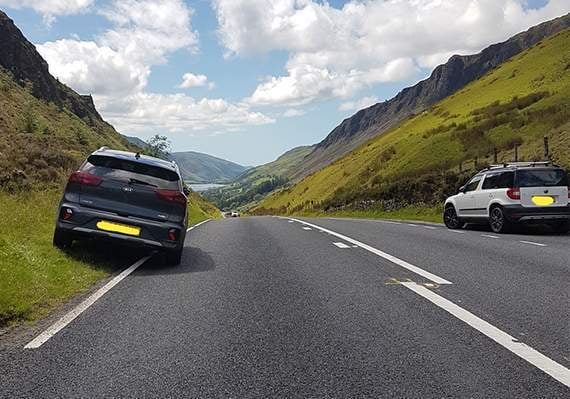
“Uncontrolled overtourism” is “killing communities”, it has been claimed.
Welsh language pressure group Cylch yr Iaith says a review on what the future of tourism should look like is needed following scenes of rows of cars blocking highways at some of North Wales’ best loved beauty spots, including Snowdonia.
According to the Welsh Government, the sector is estimated to bring in more than £3bn of economic benefit every year, making up around 9.5 per cent of the Welsh workforce by employing over 100,000 people.
But Cylch yr Iaith says decades of tourism promotion by central and local governments has resulted in “uncontrolled overtourism,” which they say emphasises attracting the most visitors “over the environmental, social or cultural expense”.


.jpeg?width=209&height=140&crop=209:145,smart&quality=75)
Further consideration is needed, they say, on whether “drowning locals in visitors” brings any lasting economic benefit.
Responding, Gwynedd’s head of economic development described tourism as one of the county’s main economic sectors and an important employer locally.
He conceded, however, that the increase in the numbers of people visiting the county puts “significant pressure” on local infrastructure.
As part of the measures to mitigate this, Cllr Gareth Thomas has outlined plans to create a new Tourism and Destination Management Plan for the county, based on a sustainable model.
“It will seek to improve the sector’s contribution to the communities and economy of Gwynedd, provides high quality jobs for local people as well as supporting the county’s environment, language, culture and destinations,” said Cllr Thomas.
He added: “Following the Welsh Government’s easing of lockdown measures, it is so important that those who do visit our stunning locations do so with respect and patience.
“As a council, we aim to market the area outside the more traditional tourism season, to extend employment opportunities the sector can offer throughout the year.
“At present, we are encouraging those who do choose to visit the area to do so safely. To be patient when they are in the area, to treat our communities with respect and to plan any visits in advance.”
But Howard Huws of Cylch yr Iaith said scenes of such a packed Eryri (Snowdonia) was an example of tourism “opening up an area for visitors and closing it for natives”.
He said: “If local people wanted to visit these places, their own habitat, they couldn’t in the absence of any parking space.
“If they wanted to buy a home in a popular tourist spot, they couldn’t, because the demand for holiday and holiday homes pushed the price beyond their resources.
“If they wanted a job there, it is not available, because tourism stifles any competition for development resources.”
They also spoke of a need to intervene in the housing market to ensure that second homes and holiday accommodation do not exceed 10 per cent of the stock of any particular community.
Cllr Thomas added: “In terms of the impact of holiday homes on the local property market, Welsh councils currently have very limited powers to intervene.
“Whilst other countries have introduced sensible changes to manage use, no such changes have been made here in Wales.
“As part of our efforts to look at managing the use of open market housing as holiday homes, Gwynedd Council is undertaking research work with the support of Wales’ Royal Town Planning Institute.
“This includes researching the situation in other countries and considering possible options that could be introduced in Wales.
“Whilst recognising the importance of the tourism sector to the local economy, we must consider the impact on the local housing provision and communities.
“We believe that the research currently being undertaken will offer sensible options that can be introduced in Wales as has been done in other countries in recent years.
A Welsh Government spokesman said: “Tourism is an important sector for the Welsh economy.
“Our Welcome to Wales tourism strategy is committed to developing the sector for the benefit of the country, where offering high quality, year-round experiences that benefit both visitors and their host communities is central to the strategy.”
Comments
This article has no comments yet. Be the first to leave a comment.