

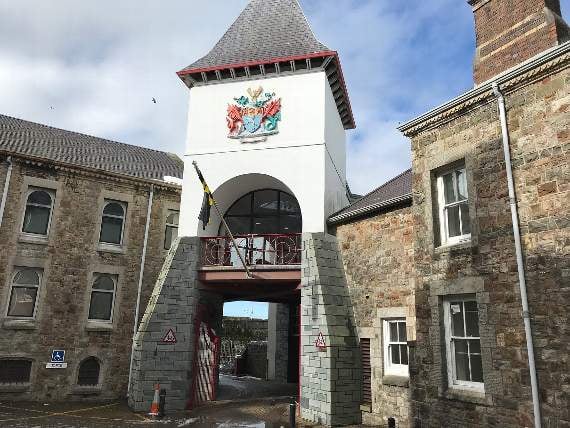
COUNCIL tax bills for Gwynedd residents could rise by at least 5.5 per cent from April as the authority tries to make up a £12.9m funding gap.
A meeting of the council cabinet next week is set to rubber-stamp a public consultation on the proposals to both save and raise additional cash before ratification in the new year, described by the chief executive as “approaching the limit of what is possible without having to implement deep cuts.”
But while all the proposed savings will not be known until February, £1.5m of the earmarked £2.5m identified so far will see more back office efficiency including reducing administrative overheads with some currently vacant posts not being filled.
While officers believe they can reduce the funding gap to £3.8m by savings and raising more income, this would still mean the county’s ratepayers having to make up the remaining shortfall with a proposed 5.5 per cent council tax rise.

Gwynedd Council has blamed the year on year cuts as the result of a decade of dwindling block grant settlements from Cardiff Bay.
Meanwhile, among the ideas planned to bring in an additional £481,000 a year in income are to hike the fee for the before school care club from 80p to £1, ending free Christmas parking from 2019 and increase the number of pay and display car parks as well as the cost of parking.
Other ideas being considered are charging a fee for re-supplying bins that have been damaged, increasing Crematorium fees from £520 to £550 and issue penalties on contractors who fail to comply with legislation when working on the county’s roads.
The report that will be presented to the cabinet next week by finance portfolio holder, Cllr Peredur Jenkins, notes: “The disappointing settlement we have received from the Welsh Government has been explained with the grant given to local government staying cash flat; and that at a time when we are experiencing a significant increase in costs due to wage inflation and inflation on areas such as energy costs; and substantial pressures due to demand pressures in Education and Care.
“This means that we will be facing a funding gap which is likely to be around £12.9m.
“As was explained in the workshops the head of finance has been looking at steps which can be taken to reduce this funding gap and in doing so his latest estimate is that the gap can be reduced to around £6.8m.”
The report goes on to note, “There are other ideas in hand which could increase the extent of efficiency savings which could be generated but where those ideas are not sufficiently advanced to be able to note in the proposals.
“By February however, we will be able to include some of those ideas which will bring the gap down further.
“If we were able to find a further £0.5m say which in my view ought to be possible, this would bring the funding gap down to £3.8m. This would equate to a council tax increase of around 5.5 per cent.”
Dilwyn Williams, Gwynedd Council’s chief executive, added: “It is clear by now that the financial situation facing Gwynedd Council over the coming years is more challenging than ever.
“Indeed, the final confirmation from the government regarding the
settlement for 2019/20 is close to the most extreme levels we predicted and we face a financial gap of £13 million for next year alone.
“As a council we have been cutting back on spending for more than a decade, but we are now approaching the limit of what is possible without having to implement deep cuts.”
He added: “What is clear from the recent engagement exercise is that many of the public services which the Council provides are important or essential to Gwynedd people or to a specific group or community within the county.
“The task set for local government members is now almost impossible as they have to decide which of the services that are important to the people of Gwynedd to cut back on and by now they don’t have a lot of choice.
“This is not why they entered local government.”
Gwynedd Council’s cabinet will discuss the report’s contents when it meets in Caernarfon on Tuesday, 18 December.
Comments
This article has no comments yet. Be the first to leave a comment.