
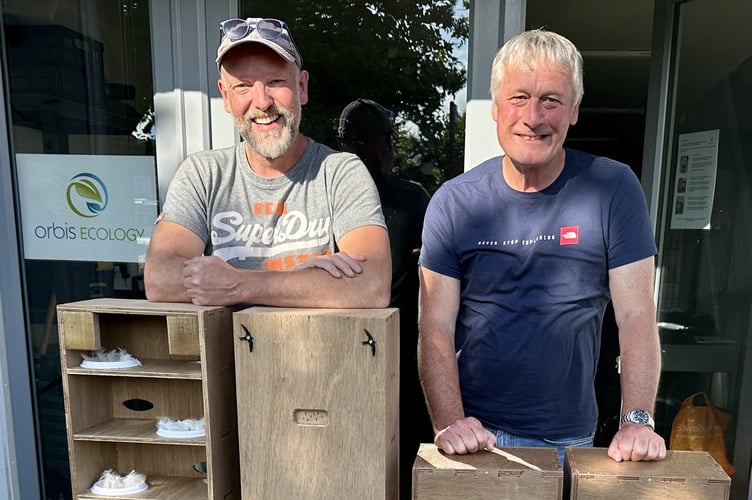
Machynlleth’s bobby for twenty-five years, he would walk his beat with one eye on the street and the other in the air.
Since those heady days of noise and feathers, Wales' swift numbers have dropped 76 per cent since 1995 - the country now faces a future without swifts in the skies if trends continue - swifts are now one of the UK’s most at-risk birds.
Hanging up his boots in 2004, Elfyn is now committed to the return of the swifts and has galvanised his entire community to help, recruiting cherry pickers, builders, reverends, homeowners and shops to the cause.

His group have now turned the town into a ‘showcase’ for how other communities can save the tiny bird.
-Jon-Hawkins-Surrey-Hills-Photography.jpg?width=752&height=500&crop=752:500)
Elfyn, 72, said: “It’s a pleasant thing in summer watching these swift parties over the streets, but we could lose them in a generation.
“The thought of losing them forever is unacceptable.
“Some say it’s a boring little brown bird; it’s not sexy like an osprey or kite, but it’s just as important.
“We saved the red kites, a great conservation success story spanning 110 years.
“We’re now trying to do the same with swifts.”
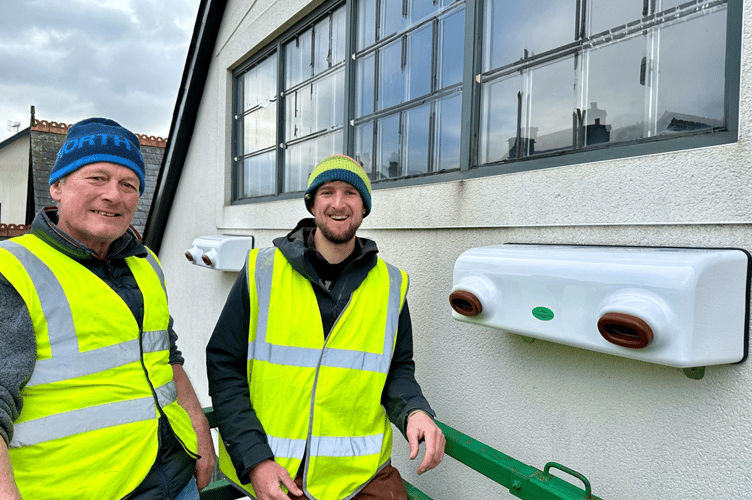
Elfyn founded the Dyfi Valley Swift Group, joining over 100 resident-led groups across the UK doing their bit to save the swift population.
The group has installed 270 swift nest boxes across the area, recruiting residents to the cause, including Ed Rhodes, who lends his machinery and expertise to install nest boxes, and even the local Co-op is now on board, housing nests to encourage swifts to return.
Swift numbers are declining for a few reasons - new housing developments don’t offer the same draughty eaves the swifts favour; older buildings' eaves are replaced with uPVC soffit boards; and a steep decline in insects in the UK due to increased insecticide use and climate change is a significant loss of their main food source.
For this reason, Elfyn’s new target isn’t private homes but churches.
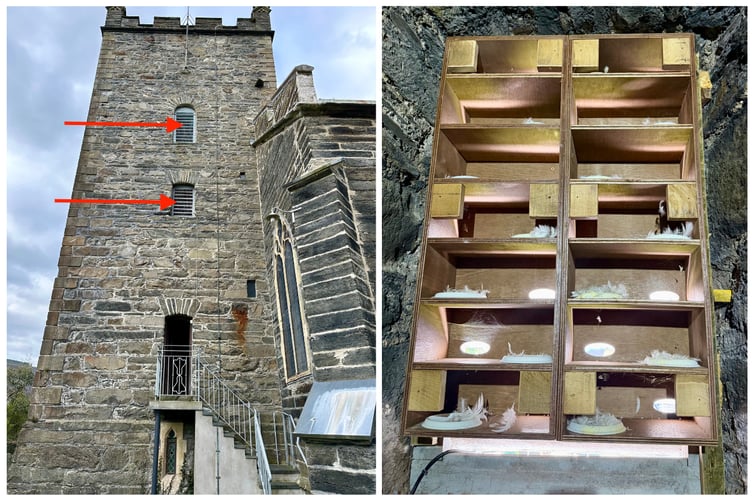
The secret lies in the Welsh names for swifts - Gwrach yr Eglwys, meaning Church Witch, and Biwita, meaning Bewitched.
Swifts are an incredibly old species, looking virtually the same for 49 million years. Adapting to have human neighbours, they’ve moved from cliff faces to call churches their home.
They haunt belfries which stand at the perfect height for 40mph entry speeds and the nail-biting first flight of their chicks, who need a good height to drop from.
Spending years at a time in flight, their feet are poorly adapted for land, designed to cling to cliff edges and so favour steep drops, struggling to take off from the ground.
This means Machynlleth’s St Peter’s Church belfry was the perfect spot.
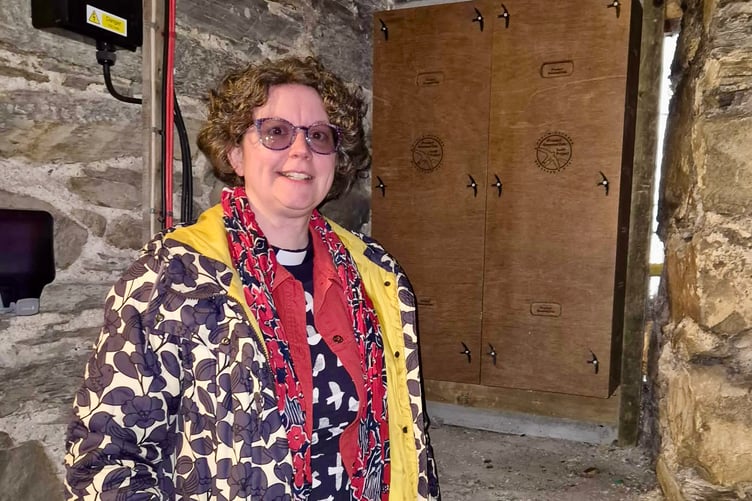
There are incredibly few swifts that still visit Machynlleth to breed on their short summer from Africa, but Reverend Miriam Beecroft is keen to see them return.
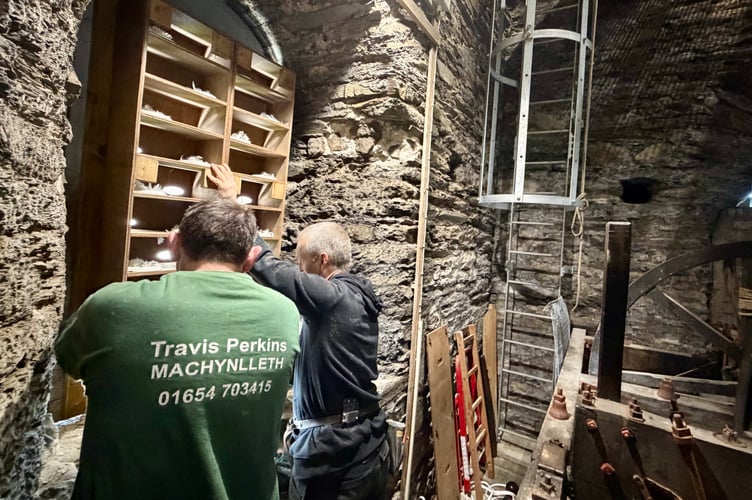
Elfyn drove to Devon to pick up the swift boxes designed to fit perfectly into the belfry, built by Jerry Horn, a man responsible for making nest boxes for 60 churches across the country.
Authorised by the archdeacon, the 32 nest chambers installed by local builder Brian Roberts are now part of the church's Eco Church scheme, with the Reverend expressing her “delight” that the nest boxes are ready to welcome the now-rare bird for this year's nesting season: “As long as they enjoy the music of the church bells, they ought to have a five-star stay!”
The team also installed a swift call box, playing swift calls at certain times of day to encourage interest from passing swifts.
Now on the Red List of Conservation Concern, the birds mate for life and usually return to the same nest year on year; however, there are no protocols to stop developers blocking off their nest sites unless they’re in use, and no incentives to replace them.
Only this week, a building that was housing nesting swifts was demolished in Surrey during nesting season, despite the protections in place.
Elfyn said that the “message is clear - we need a lot more boxes up”, calling for others to get interested in supporting their local swift population, which acts as a natural pest control, and supports the wider ecosystem to thrive: “I can’t save the world’s rhinos or pangolins.
“I use the bird as a symbol of hope.”
People can do this by installing their own swift boxes on their buildings, encouraging new developments to include boxes or swift bricks, and encouraging insect life and biodiversity in the area.
Find out more about supporting your local swift population here - https://www.rspb.org.uk/donate/protect-our-birds-defend-our-nature
Comments
We've recently changed our login process. If you have an account for commenting, you will need to re-register on the login window.
This article has no comments yet. Be the first to leave a comment.