
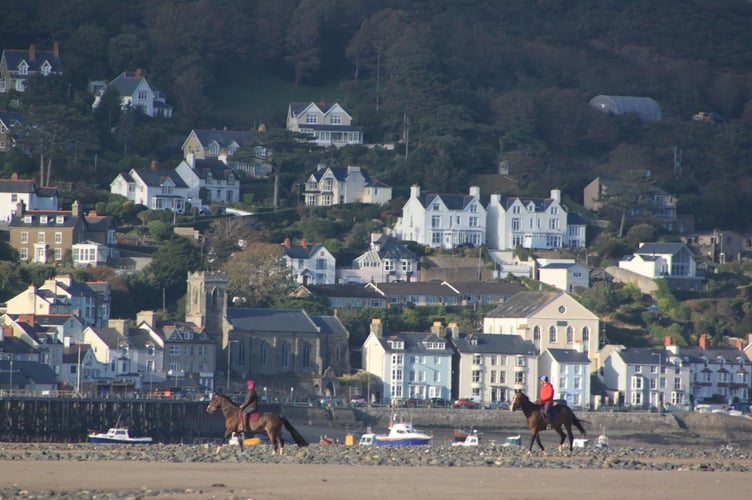
House prices in Ceredigion, Powys and Gwynedd rose last summer despite the housing market across Wales and England beginning to stall during the cost-of-living crisis, new figures show.
Nationally, more recent data shows prices have dropped entering 2023, with estate agents blaming Liz Truss' disastrous autumn mini-budget for the fall in activity as some buyers were forced to renegotiate on price due to reduced affordability.
Figures from the Office for National Statistics show the median house in Ceredigion cost £235,500 in the year to September – up from £227,500 in the year to June. In the year to March 2022, it was £225,000.
The median house in Powys cost £230,000 in the year to September – up from £220,000. In the year to March 2022, it was £218,000.



.png?width=209&height=140&crop=209:145,smart&quality=75)
In Gwynedd the median house price was £185,000 in the year to September – up from £180,000. In the year to March 2022, it was £180,000.
Nationally, house prices fell for the first time since 2011 from £279,000 in September 2021 to £270,000 last year, while further ONS figures show prices have fallen further at the start of this year.
The recent fall in price follows more than a decade of steady rises after the 2008 financial crash.
Nicky Stevenson, managing director at estate agent group Fine & Country said: "A significant proportion of the sales completed at the beginning of the year had to weather the impact of autumn's mini-budget and sudden rise in mortgage rates and many buyers will have renegotiated on price as a result of changing affordability."
Tom Bill, head of UK residential research at Knight Frank, said: "January’s drop in annual house price growth tells us a lot about the detrimental impact of the mini-budget but very little about how the UK property market will perform this year."
The figures also show the median average income for a full-time employee in Ceredigion was £29,165 in the year to September. In Powys that number was £28,590.
It meant full-time-working house hunters needed around eight times their income to buy a home in the two counties.
However, two decades ago, the average house in Ceredigion cost £79,950, while the average wage was £16,658. In Powys the average house was £80,000 while the typical salary was £17,521.
It meant the price of a home was 4.8 and 4.6 times the average full-time annual wage respectively, with houses now 68 per cent more unaffordable than than 20 years before in Ceredigion and 76 per cent more unaffordable in Powys.
In Gwynedd, the average income of £28,014 means house hunters would need 6.6 times their income to by a home.
And 20 years ago the average house price of £59,950 and average salary of £15,367 meant the price of a home was 3.9 times the average full-time wage, with houses now 69 per cent more unaffordable than two decades ago.
Henry Parkes, senior economist at the Institute for Public Policy Research think tank said: "Home ownership is horribly out of reach for working families trying to buy a home of their own, putting continued upwards pressure on rents and enriching landlords further. "The Government must grasp the nettle, reform the land market and planning, and invest in the affordable homes the country needs. Only then will everyone be able to access secure, good quality and affordable housing they need."
The Department for Levelling Up, Housing and Communities said it is investing £11.5 billion in increasing the number of "genuinely affordable homes".
A spokesperson added: "We want to give communities more of a say over development in their area and build more homes in the places people want them.
"That is why we have consulted on changes to the National Planning Policy Framework that will put local communities at the heart of the planning system whilst protecting the greenbelt."
Comments
This article has no comments yet. Be the first to leave a comment.