

CEREDIGION council has just agreed to introduce a 25 per cent premium on council tax for second homes as well as homes classed as long-term empty.
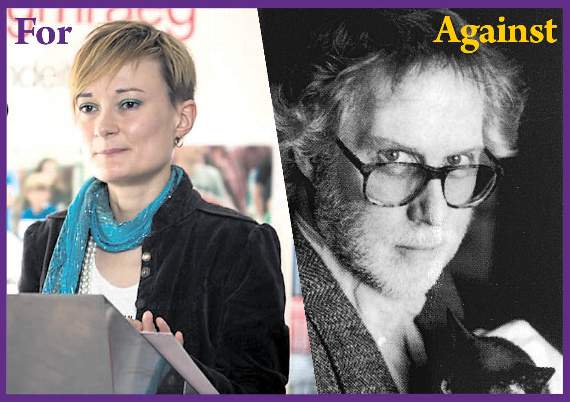
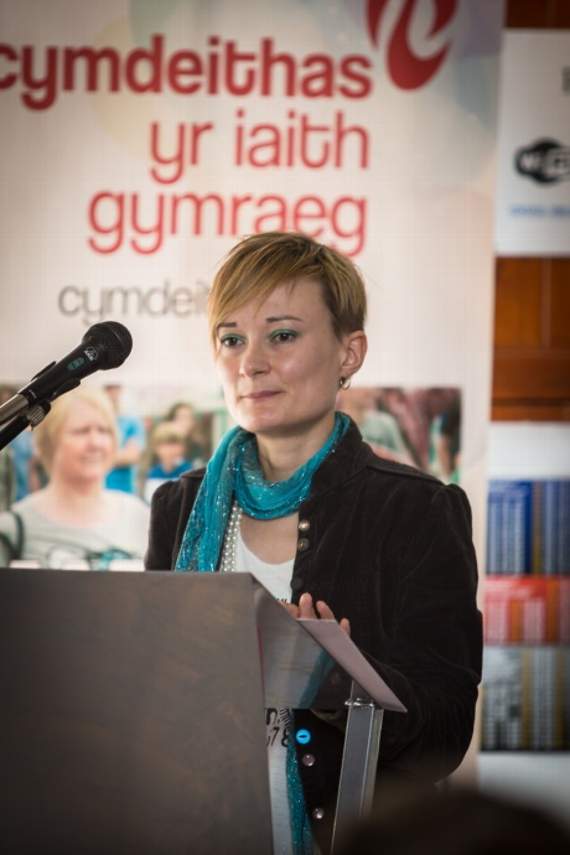
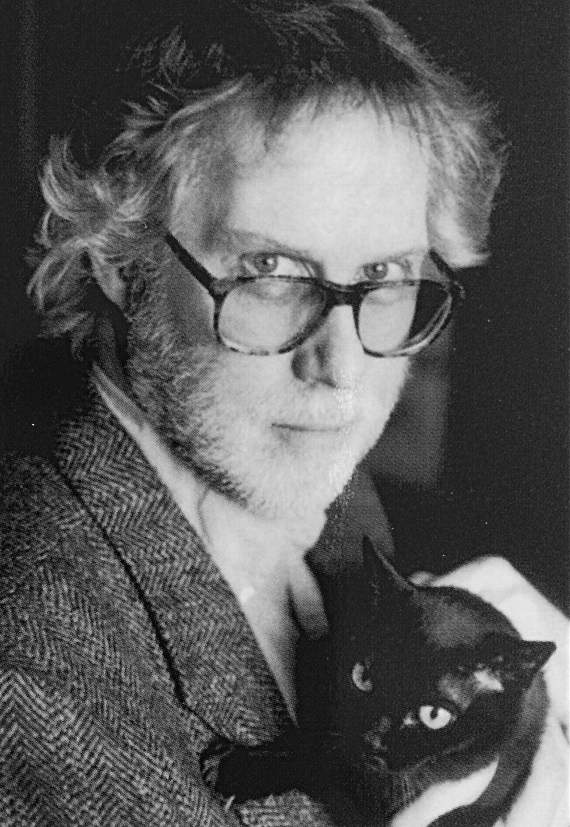
Here, Lampeter university Judaism professor and rabbi Dan Cohn-Sherbok tells why he is opposed to the measure. And Tamsin Davies, on behalf of the sustainable communities group at Welsh language campaigners Cymdeithas yr Iaith, explains why they think it is a good idea.
FOR
by Tamsin Davies, on behalf of Cymdeithas yr Iaith’s sustainable communities group

The council tax rise on second homes is not a tax on ‘outsiders’, nor is it driven by the politics of envy. It is an attempt to influence an out-of-control housing market and halt the decline of communities.
There is a housing crisis in Wales. House prices have risen by 16 per cent since 2008 and there were more than 5,000 homeless households last year. Yet there are thousands of homes lying empty all over the country. These are the many second homes bought for holidays which are unoccupied for most of the year.
The last Census showed that Ceredigion was in the top 20 local authorities in England and Wales for the number of people owning a holiday home there – 30 per 1,000 compared to a national rate of seven per 1,000. No-one can blame people for coming to such a lovely area and tourism provides a livelihood for many residents of Ceredigion. However, the large number of second homes is problematic.
ONS data shows that Wales has the lowest average earnings of any part of the UK. Combine this with second-homes buyers who can afford a larger mortgage than local buyers, and house prices are pushed beyond of the reach of local people.
Secondly, the local shop, garage or pub needs customers throughout the year to survive. Second-home owners do not send their children to the local school and are irregular users of services such as public transport.
High house prices and poor economic prospects contribute to an out-migration of more than 5,000 Welsh speakers every year, damaging the Welsh language and culture.
Ceredigion should be applauded for addressing the housing crisis through its council tax policy.
AGAINST
by Professor Dan Cohn-Sherbok, professor of Judaism at Lampeter university
When I was appointed to be the first Professor of Judaism at the University of Wales, I was thrilled. Although we kept our tiny flat in London, we bought a beautiful coach house near Llangeitho and we settled down to learn Welsh.
We love Wales and we thought of our Welsh neighbours as our friends. So we are dismayed by the Assembly’s decision to grant the Welsh counties permission to charge up to a 100 per cent surcharge on the rates of all second home owners.
Ceredigion has agreed to impose an extra 25 per cent.
We listened via video-link as the issue was debated by the council. It was clear that many of our elected representatives would have liked to impose a much higher percentage and it was stressed that this option was being held in reserve.
They were not constrained by the idea that some second-home owners might contribute to their communities. Such a notion did not seem to occur to them. Instead the second-home owner was seen as the alien who could solve the cash-flow problem of the county.
As a scholar of Judaism, and as a Jewish rabbi, I have heard these arguments before. In the Middle Ages, throughout Europe, Jews were regarded as foreigners. It did not matter where they had been born or whether they were useful members of society.
They were outsiders and had to pay a substantial extra Jew-tax. These regulations were revived by the Nazis in the 1930s.
In Wales a new form of ‘Jew-tax’ is being imposed. We second-home owners are the unwanted foreigners. We are perceived as exploiters of the countryside, as destroyers of the Welsh language and, somehow, as the cause of all Wales’s economic difficulties.
As the new scapegoats, the myriad problems of Welsh society are being laid at our door. Our councillors are going to make sure that we are punished and we must pay for our sins in hard cash.
Better still, even though there will be more empty houses, some would like us to go back to England.
This is a tragedy in the making, one which we Jews have seen all too often before.
Comments
This article has no comments yet. Be the first to leave a comment.