

FEARS have been raised that “lives could be at risk” unless more funding is made available for Welsh councils to help care for its most vulnerable residents.
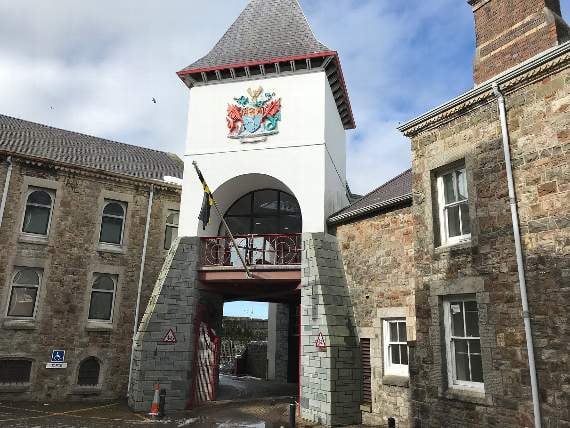
Gwynedd Council is currently mulling over a £12.9m funding gap that could also leave ratepayers with a 5.5 per cent council tax hike from April, while already facing issues including wage inflation and budget pressures in the face of rising demand on the education and care services.
But the portfolio holder for children and young people told last week’s Cabinet meeting that years of ongoing cuts could lead to some of the county’s most vulnerable residents being even more exposed in years to come.
A report published in October found that Gwynedd’s children’s service is set to overspend its budget by around £1m this year, blamed on the rising cost of placements for vulnerable children needing protection from potential abuse or neglect.

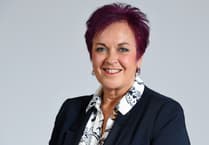


“While we’ve able to avoid some of the harshest cuts, the way things are going we may have to revisit some of them in future,” said Cllr Dilwyn Morgan.
“It’s not a pleasurable task at all and I’m very concerned that we may end up being pushed in that direction, undermining the safety net and I’d go as far as saying that lives could be at risk.
“This is a forewarning at this stage but I don’t like what I’m envisaging to be over the horizon.”
While Gwynedd’s head of finance has identified measures to bring the £12.9m gap down to £6.8m for 2019/20, it’s expected that the authority’s ratepayers may have to make up £3.8m of the remaining shortfall in council tax rises.
Further cuts are also proposed in other services as well as some income generating schemes to ensure a balanced budget.
Gwynedd was to be be among the worst hit authorities as a result of the Welsh Government settlement, losing 0.8 per cent of its block grant.
But a further announcement came last month that councils across Wales would receive an additional £14.2m next year to their main grant, resulting in no authority losing more than 0.5 per cent.
Despite this, Gwynedd Council’s leader said that his authority was now in a situation where it was having to find every last penny in order to sustain services across the county.
“I’ve expressed my disappointment, and indeed anger, at how the Welsh Government decided to share out the funding,” said Cllr Dyfrig Siencyn, describing the settlement as “appalling”
“They had the opportunity to provide more for local government but while every other department saw an increase in their allocation, we again missed out.
“Core services will now suffer, those who defend our children and vulnerable residents and the responsibility must fall on the Welsh Government.
“Let us make it clear to every AM who votes in favour of the upcoming budget, don’t come back and complain about cuts we’re making, it’s up to you to explain to your constituents why you provided us with such a poor settlement.”
According to the Welsh Government, it has worked hard to ensure that Welsh authorities are protected from the worst effects of austerity, taking into account a wealth of information about the demographic, physical, economic and social characteristics of authorities.
“We have worked hard to offer local government the best settlement possible in this ninth year of austerity and have made further allocations to mitigate most of the reduction councils had been expecting following the final budget last year,” said a Government spokesman.
While no decisions are expected on Gwynedd’s budget until the new year, among the ideas planned to bring in an additional income are to hike the cost of the before school care club from 80p to £1, ending free Christmas parking from 2019 and increasing the number of pay and display car parks as well as the cost of parking.
Other ideas being considered are charging a fee for re-supplying bins that have been damaged, increasing crematorium fees from £520 to £550 and issuing penalties on contractors who fail to comply with legislation when working on the county’s roads.
Meanwhile, it was confirmed las week that discussions could take place with Network Rail over the future of Barmouth Bridge.
The authority currently pays Network Rail a maintenance grant of £35,000 a year but is one of the projects potentially under risk from 2020 onwards.
According to the report, the future of the bridge, popular with walkers and cyclists, would then be a matter for Network Rail. A public consultation will take place on the authority’s proposals in January.
Comments
This article has no comments yet. Be the first to leave a comment.