

IF you look at a flood risk map for this region, much of it appears in red, pointing to areas where inundation is likely to occur or where properties are at danger at times of heavy prolonged rainfall. Much too is amber, where properties are more prone to flooding.
For any homeowner who has endured the hell of high water, it’s an experience few would want to repeat.
That flood risk map also serves as a precursor to higher property insurance premiums. And as our climate changes and extreme weather events become more severe and regular, the risk of flooding is not receding.
For hard-pressed local authorities, funding is scarce. (And yes, there are those very large salary increases to be factored in for our elected representatives and their staff too!)

When flooding does damage to our roads and infrastructure, it can take long months for those repairs to be scheduled. That’s why any measures that can alleviate flooding or mitigate risk factors are to be welcomed.
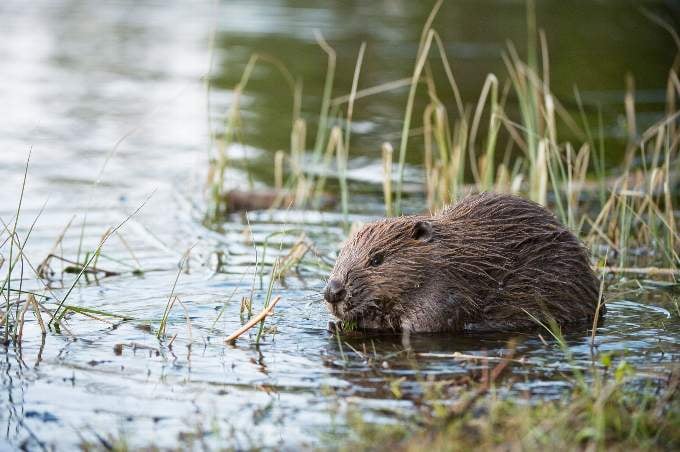
In the coming months, beavers are to be reintroduced into the wild on the River Dyfi, and a series of workshops in the coming weeks are planned to provide more information to local communities.
As a keystone species, beavers benefit a wide range of other animals and plants that live in rivers and wetlands. They slow down water, reduce erosion and stabilise water tables.
Before these creatures were hunted into extinction, they were an essential element of water management systems – nature’s natural engineers whose habitat limited flooding risks.
Our farming and planning practices over the past century have limited the ability of catchment systems to contain water flows – resulting in more water moving more quickly through areas where we build homes and businesses.
Yes, there will be those in the farming community who will oppose this project, citing the cost and damage these natural mammals will inflict on their strained incomes. If there is a loss, better it be covered by the money saved from the need to repair our flood-damaged infrastructure.
Let’s hope the Dyfi beaver project is the first of many.
Comments
This article has no comments yet. Be the first to leave a comment.