
.jpeg?trim=0,250,0,249&width=752&height=501&crop=752:501)
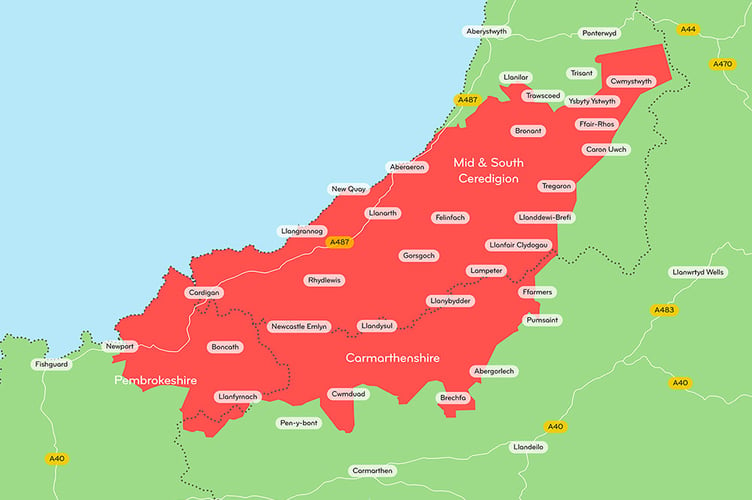
Welsh Water has lifted a hosepipe ban affecting around 33,000 properties across mid and south Ceredigion, together with parts of north Pembrokeshire and north Carmarthenshire.
The restrictions were introduced as an emergency measure following a prolonged period of exceptionally high demand for drinking water. This placed unprecedented pressure on the local water supply network, during a summer the Met Office has said was the hottest on record.
However, following an improvement in treated water storage levels across the affected supply zone, the company has confirmed the restrictions are no longer required.
This means that there are no restrictions in place across Welsh Water’s operating area.
Welsh Water has thanked customers, businesses and visitors for the way they responded during the period of restrictions.
Throughout the Temporary Hosepipe Ban, customers reduced non-essential water use, helping local service reservoirs recover and enabling the company to maintain reliable supplies while continuing to operate its treatment works at maximum capacity, move water around the network, deploy tanker support where needed and repair leaks around the clock.
During June and July around 1,000 megalitres of drinking water was supplied across our operating area every day – an unprecedented operational effort to keep customers supplied while local storage recovered.
Kit Wilson, Welsh Water’s Chief Customer Officer, said: “I’d like to say a sincere thank you to everyone who supported us during the Temporary Use Ban. We know these restrictions were inconvenient, particularly during the summer holidays, and we’re extremely grateful to customers for the way they responded.
“By reducing non-essential water use, our customers played a vital role in helping treated water storage recover across the network.”




With increased rainfall over recent days, temperatures beginning to fall, the start of the new school year and the end of the summer tourist season, demand has now decreased to more manageable levels.
Comments
We've recently changed our login process. If you have an account for commenting, you will need to re-register on the login window.
This article has no comments yet. Be the first to leave a comment.