
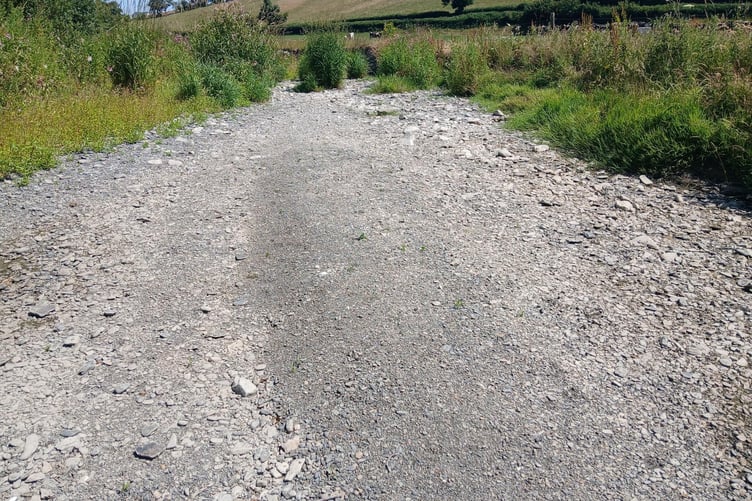
Widespread wildfires, record-low river flows and the mounting impacts of successive heatwaves on the environment have triggered the declaration of drought status in North Wales and the Upper Severn.
The areas affected include North Gwynedd, Ynys Môn, South Gwynedd, Dee (Wales), Clwyd and Upper Severn.
At the same time, all remaining catchments across south-west Wales have moved from 'normal' to 'prolonged dry weather' status.
This includes north Ceredigion, Teifi, Carmarthenshire and Pembrokeshire.
Natural Resources Wales made the decision following continued hot, dry weather over recent weeks.
July is on course to become the driest on record in Wales for almost 190 years if significant rainfall does not arrive before the end of the month.
North Wales and the Upper Severn has received less than 2% of the expected rainfall for the month so far.
River flows across large parts of North Wales and the Upper Severn are now exceptionally low for the time of year, with some locations recording new monthly minimum flows and others approaching record lows.
In many areas of North Wales, there has been no significant rainfall since 6 July.
NRW's monitoring also shows river flows across the affected catchments are exceptionally low, groundwater levels continue to fall, and river temperatures have been high.



'Drought' is declared by NRW when a combination of indicators show a significant shortage of rainfall and water availability, resulting in impacts on rivers, groundwater, ecosystems, agriculture and land management.
While water companies report that reservoir levels remain healthy overall, NRW is encouraging people to use water wisely. Every drop saved helps reduce pressure on the environment during dry periods.
Rhian Thomas, Sustainable Water and Nature Manager at NRW, said: "The prolonged period of hot, dry weather we have experienced this summer is now having serious impacts on the environment across parts of Wales.
"We have seen rivers fall to exceptionally low levels, groundwater continuing to decline, and increasing reports of environmental impacts affecting wildlife, fisheries, farming and sensitive habitats.
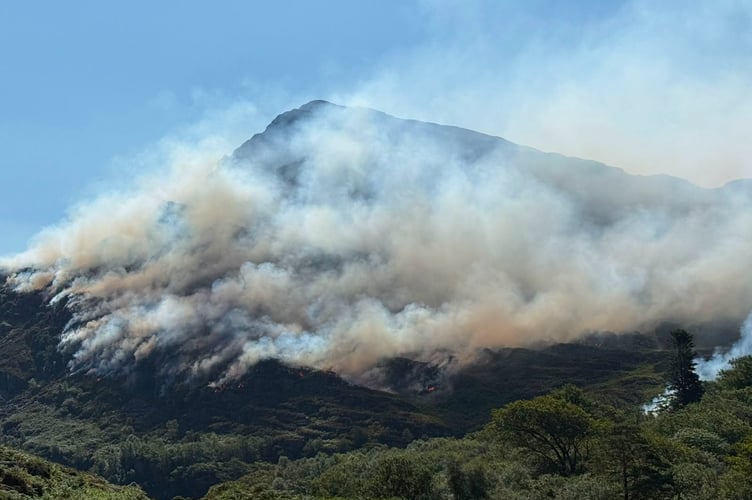
"The recent wildfires across North Wales and South East Wales are one of the clearest and most visible signs of how dry our landscapes have become. Our teams continue to work closely with fire and rescue services, local partners and land managers to respond to these incidents and reduce risks where possible.
"While drought status does not automatically mean water shortages for customers, it does reflect the growing pressure being placed on our environment. We are asking everyone to play their part by using water wisely and helping to protect Wales' natural resources during this exceptionally dry period."
Laura Owen Sanderson, Chief Executive Officer of North Wales Rivers Trust, added: "We're already seeing the effects of prolonged dry weather across Gwynedd and Ynys Môn.
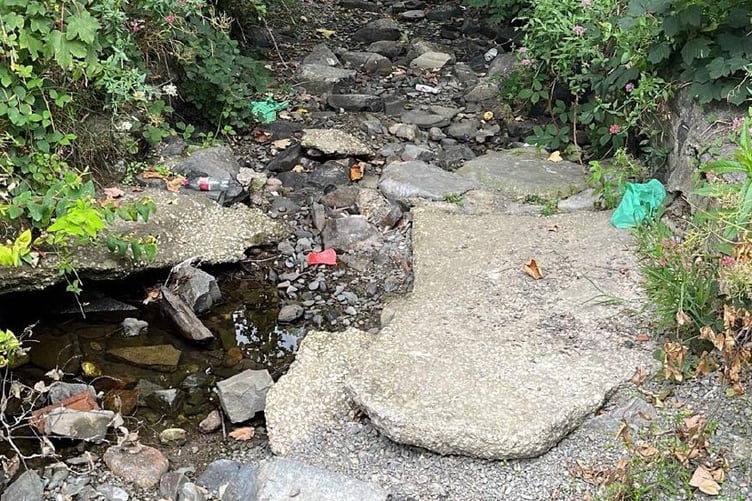
“Fish are struggling for oxygen in shrinking rivers, with some becoming stranded as water levels drop.
“At the same time, recent forest fires across the region highlight just how vulnerable our landscapes have become.
“Today's environmental drought declaration should be seen as a call to action. We need to invest in healthier, more resilient rivers and landscapes that can better withstand these increasingly frequent periods of extreme weather."
Across Wales, NRW is increasingly concerned about the pressure being placed on rivers, wildlife, fish populations, peatlands, agriculture and the wider natural environment. Teams have reported drying riverbeds, isolated pools in smaller rivers, increased risks to fish and freshwater species, and mounting concerns from farmers about water availability and grazing conditions.
The forecast suggests further dry weather over the coming week, with the possibility of additional hot spells later in the summer.
Comments
We've recently changed our login process. If you have an account for commenting, you will need to re-register on the login window.
This article has no comments yet. Be the first to leave a comment.