
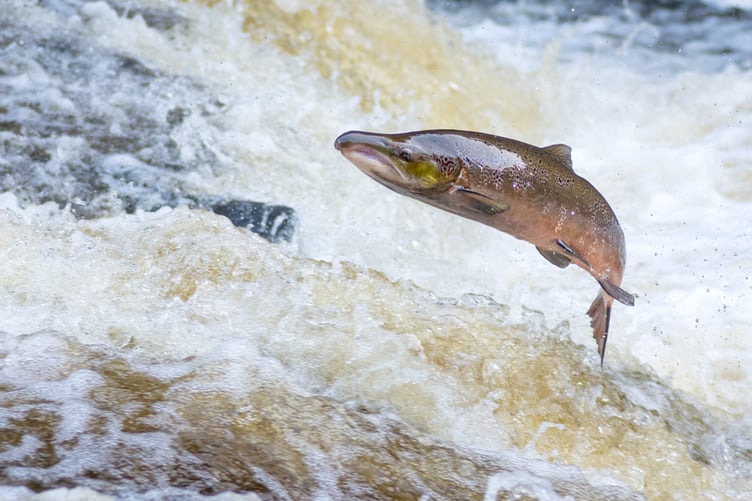
A river action group is calling for better programmes to halt the decline of salmon in all of Wales’ rivers.
Natural Resources Wales has published latest stock assessments for the “principal” Welsh salmon rivers, which show populations being ‘at risk’ in all 22 rivers for a second year in a row.
This means that salmon in these rivers are at risk of failing to be able to maintain sustainable populations in the future, warns Afonydd Cymru.
The river action group says: “The species spends a large part of its lifecycle in freshwater, but its problems are not confined to rivers.
“We know that there are numerous factors affecting salmon in Welsh rivers. Barriers to migration, poor water quality and quantity, habitat loss and climate change are all contributing to their decline.
“However, survival rates for salmon during their marine phase have fallen from around 20% a few decades ago to less than 2% now.”
It also warns that the stock assessment method itself needs to be treated with a little caution.
The number of salmon caught by anglers is used as part of the overall calculation but the reliability of that data is sometimes questionable.
There are some signs of progress with surveys in some Welsh tributary streams have shown some relatively strong results for juvenile salmon in the past three years, despite the record low angler catches of the adults that spawned these young fish.
This could indicate that work to restore and protect spawning streams is paying off.



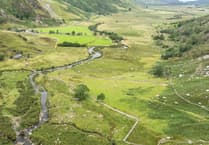
With such low return rates from the sea, Welsh rivers need to be producing as many juveniles as possible. River restoration continues to be a key element to ensuring salmon survival.
The urgency for Welsh salmon cannot be understated and Welsh Government need to commit firmly to programmes designed to halt their decline, afonydd Cymru conclude.
Comments
This article has no comments yet. Be the first to leave a comment.