
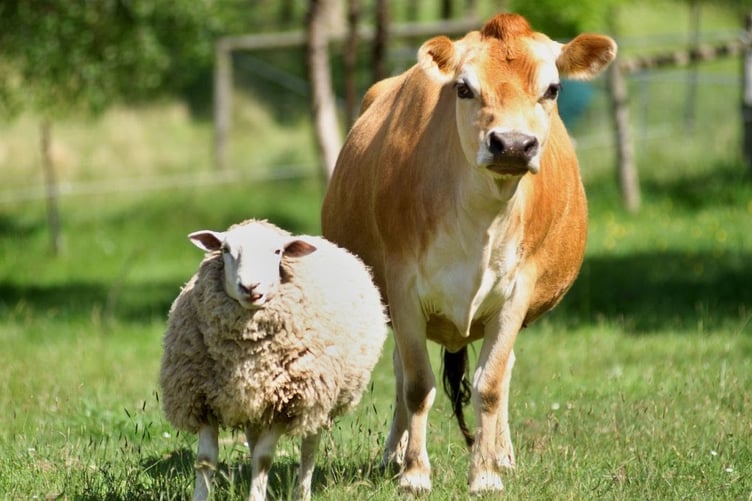
Farmers across west Wales are being urged to prepare for another outbreak next year as cases of the livestock disease continue to rise.
More than 500 farms across Wales have recorded cases of bluetongue this season, prompting a fresh warning to livestock keepers to prepare for 2027. The Welsh Government's Chief Veterinary Officer, Dr Richard Irvine, has urged farmers to discuss vaccination with their vets and secure supplies ahead of next year's season.
Bluetongue virus serotype 3 (BTV-3) has spread across Wales and other parts of Great Britain, affecting livestock including sheep and cattle. The disease is transmitted primarily through the bites of infected midges and can cause fever, swelling, lameness, breathing difficulties and, in severe cases, death.
Dr Irvine said: "We have now reached a significant milestone, with more than 500 farms across Wales with confirmed BTV-3 cases this season." He warned that the virus would remain a threat over winter, with further outbreaks possible when conditions become favourable for midges next year.
Vaccination is considered the most effective long-term protection against the disease.
Farmers are being encouraged to order vaccines early following concerns that demand could outstrip supplies during periods of increased infection.
Dr Irvine also warned livestock keepers to exercise caution when purchasing replacement animals, checking their bluetongue status and whether they have been vaccinated.
The disease poses a particular concern for livestock-dependent communities across rural Wales, where sheep and cattle farming form an important part of the agricultural economy.
Bluetongue does not infect humans and presents no risk to public health or food safety.
Farmers should remain vigilant for symptoms, including mouth sores, swelling, reduced milk production and unexplained abortions in livestock.




Any suspected cases must be reported immediately to the Animal and Plant Health Agency on 0300 303 8268.
The Welsh Government continues to advise livestock keepers to work with their vets on vaccination and disease prevention.
Comments
We've recently changed our login process. If you have an account for commenting, you will need to re-register on the login window.
This article has no comments yet. Be the first to leave a comment.