

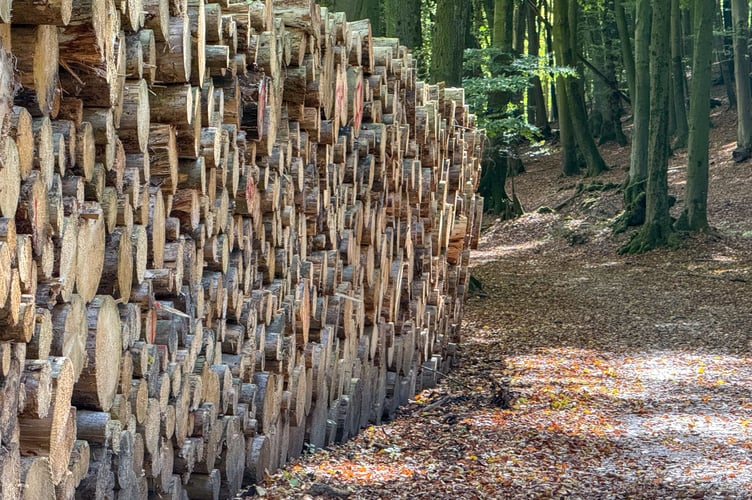
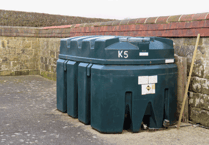
A Ceredigion company is developing a way of using wind power to create green hydrogen that could replace diesel for forestry machinery and vehicles.
The project, let by Challoch Energy Ltd, is being supported through Growing Mid Wales’ Whole System Research for Innovation and Decarbonisation (WSRID) programme, which forms part of the Welsh Government’s Climate Innovation funding.
Forestry is a major employer across the region, supporting around 14,000 jobs, but currently relies heavily on diesel-powered equipment.
This feasibility study will explore whether locally generated renewable energy can provide a cleaner, practical alternative, helping reduce carbon emissions while strengthening the long-term resilience of rural industries.


The project will work closely with the Mid Wales timber transport group, which includes Natural Resources Wales, Ceredigion, Powys and Carmarthenshire County Councils, timber companies, hauliers and local stakeholders, to identify suitable locations for wind turbines and hydrogen production facilities.
The Challoch Energy project is one of four clean energy initiatives currently being supported through the WSRID programme, each addressing different challenges facing rural Mid Wales.
Together, the projects are exploring a range of practical solutions — from turning livestock slurry into renewable energy and nutrient products, to developing digital tools that support net zero planning on dairy farms, and piloting community-focused energy systems that improve local resilience.
If successful, Challoch Energy’s approach could provide a scalable model for more sustainable forestry, supporting Welsh Government net zero ambitions while unlocking new opportunities for rural growth.
The feasibility study will assess technical, commercial and regulatory considerations, alongside stakeholder engagement.
Dr Simon Minett, Managing Director of Challoch Energy Ltd, said: “This project will help Mid Wales cut emissions, support jobs, and build a stronger rural economy by using wind power to produce hydrogen. Forestry is essential to the region, and we want to explore solutions that work in practice, not just in theory.”
Comments
This article has no comments yet. Be the first to leave a comment.