
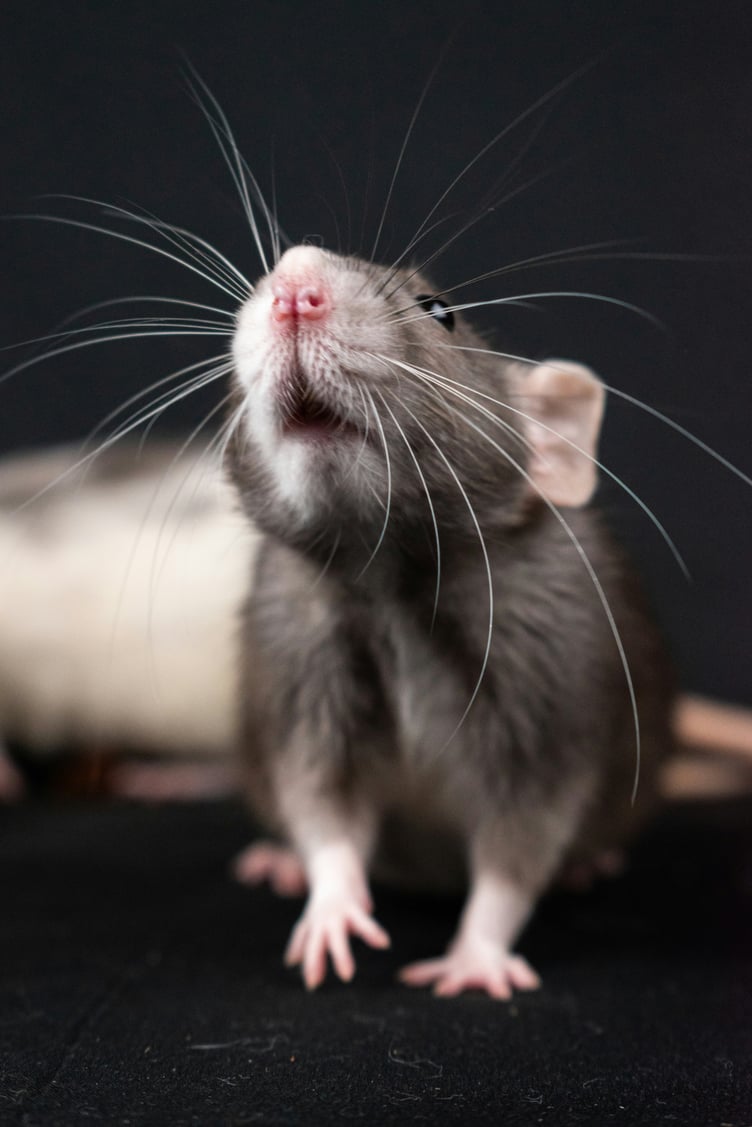
Farmers are being urged to check buildings and grain stores after unusually high numbers of rats were reported on UK farms earlier than usual this autumn.
Dave Reece, director at Oakwood Farm Services, said activity had been noticeably higher since September, rather than the usual increase in early November.
He said the dry summer had made it more difficult for rodents to access water, but an earlier harvest may have encouraged them into farm buildings sooner than expected.
Mr Reece warned that numbers could rise further as winter approaches, putting stored grain, animal feed and farm infrastructure at risk.
Rodents can contaminate grain and feed, spread disease and damage wiring, cables and pipes on machinery.
Farmers are being advised to check areas where rats are likely to be active, including around straw and haylage bales, silage pits and water troughs.
“Early warning signs include droppings and fresh holes where rats have been digging. When rodent numbers are high, you might also see chewing damage or spot the rodents themselves,” said Mr Reece.
Regular monitoring is recommended, even where there are no obvious signs of an infestation. Monitoring stations should be checked every two to four weeks, increasing to every three or four days if activity is found.
Steps should also be taken to prevent rodents entering buildings. These include repairing holes, ensuring shed doors fit properly and cutting back vegetation around buildings.
Mr Reece said farmers should act quickly when activity is detected, before populations become established.



He also warned that rats and mice could be wary of unfamiliar food sources, making baiting more difficult.
Farmers using rodenticides must follow product labels and guidance to reduce risks to other animals.
Changes introduced in January 2026 also mean purchasers of professional-use rodenticides must provide evidence of appropriate training or certification under current requirements.
Comments
We've recently changed our login process. If you have an account for commenting, you will need to re-register on the login window.
This article has no comments yet. Be the first to leave a comment.