

MORE than 140 scientists have signed a statement urging the world’s media to publicise the plight of one of the planet’s most overlooked, yet important natural environments.
The statement, organised following a summit at Nant Gwrtheyrn, Swansea University academic and president of the World Seagrass Association, Dr Richard Unsworth, calls on all national governments and international policy-makers to “take local, regional and global action to ensure the future survival of sea grass meadows”.
The signatories from 29 different countries include world-renowned marine biologists Prof Carlos Duarte, director of the Red Sea Research center at King Abdullah University of Science and Technology, and Prof Jeanine Olsen, chair of the Genomics Research in Ecology and Evolution in Nature (GREEN) group at the University of Groningen.
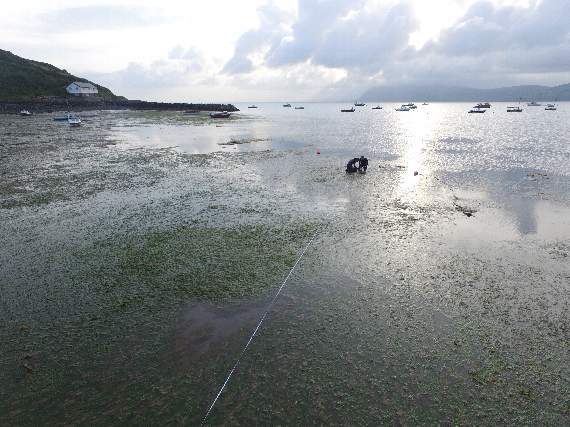
The statement highlights the global importance of sea grass meadows, which are comprised of underwater flowering plants rather than the more common seaweed.




These “powerhouses of the sea create life in otherwise muddy environments”, it notes.
The statement also describes how these ocean prairies are “key fishing grounds”, as well as “one of the most efficient oceanic stores of carbon on earth”, the latter meaning that they play a crucial role in preventing human emissions of carbon dioxide contributing to damaging climate change.
The motive for the statement’s release is to bring and end to “the loss of sea grass from common human induced impacts such as poor water quality, coastal development, and destructive fishing.”
Ben Jones, founding director of Project Sea grass, a UK charity working to conserve the world’s sea grass meadows, added,
“Sea grass creates amazing habitat for a plethora of fish and well-known seafood species like lobster and shrimp”.
Comments
This article has no comments yet. Be the first to leave a comment.