

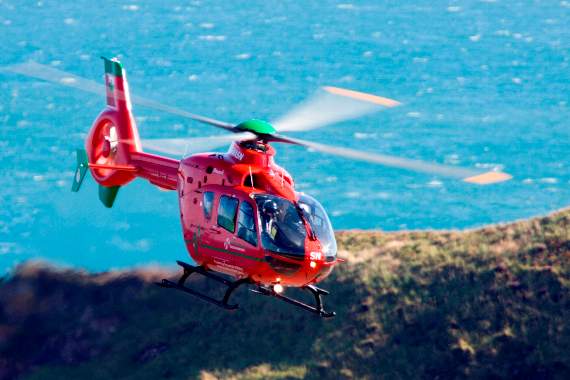
WALES’ flying doctor service has treated more than 600 people in its first six months with 42 of its incidents being in Gwynedd.
The pioneering emergency medical care service for Wales provides treatment usually only available in hospitals.
The enhanced service started in April this year as a result of a unique partnership between Wales Air Ambulance Charity and NHS Wales backed by new Welsh Government funding.
Missions included carrying out surgical procedures at the roadside, 21 blood and blood product transfusions and 82 emergency anaesthetics.
.png?width=209&height=140&crop=209:145,smart&quality=75)


More than a third of emergency calls were to treat either heart attacks or patients in cardiac arrest (38 per cent), and one in five missions were to care for patients involved in road traffic collisions.
Wales Air Ambulance Charity CEO Angela Hughes said: “The availability of doctors on board Wales Air Ambulance flights has undoubtedly saved lives across Wales.
“In about half of the cases attended, the team delivered skills and treatments not routinely available outside of hospital in Wales, saving time and saving lives.
“The new rapid response vehicles have been an additional benefit, when we need to reach patients during adverse weather or after dark.”
The Welsh Government is providing £2.868million from 2015-16 to support the enhanced service. The Wales Air Ambulance continues to rely on charitable donations to raise the £6million required each year to keep the air ambulances flying.
Wales’ Deputy Health Minister, Vaughan Gething said: “The Welsh flying doctors are proving to be a big success, and I’m delighted to see Welsh Government investment is helping save lives.
“During the first six months, hundreds of people from right across Wales have been given life-saving treatment by highly skilled consultants and a wider medical team at the scene of an emergency, using some of the most advanced medical equipment available anywhere in the world.
“This has transformed our ability to provide the very best care to the most critically-ill patients across Wales, but especially in our more remote and rural areas.”
Comments
This article has no comments yet. Be the first to leave a comment.