
Two-year NHS waiting times for Powys patients at an English hospital have risen by 370 percent since 2022, according to newly released figures.
Data obtained by Welsh Liberal Democrat MP David Chadwick through a Freedom of Information request to Powys Teaching Health Board reveals a sharp increase in lengthy waits for treatment across the border.
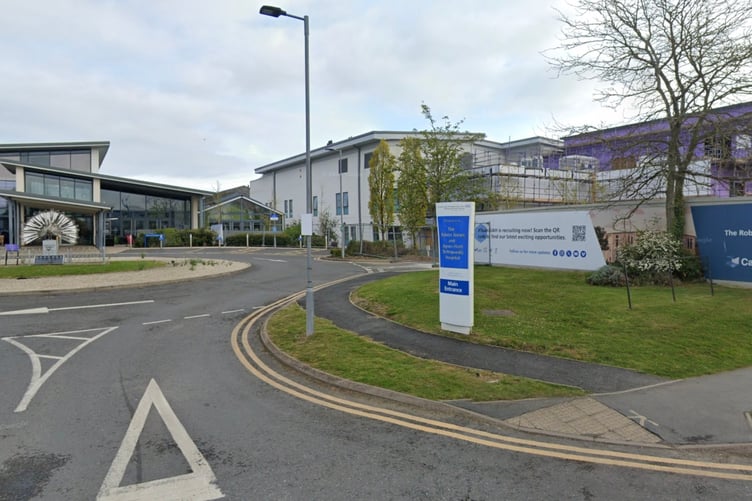
At the Robert Jones and Agnes Hunt Orthopaedic Hospital in Shropshire, the number of Powys patient pathways exceeding two years rose from 30 in 2022 to 141 in 2026.
Those exceeding one year increased by 148 percent, from 463 to 1,150 over the same period.
Across three English hospital trusts examined, the number of Powys patient pathways exceeding 12 months increased from 1,090 to 1,705, a rise of 56 percent.
At Wye Valley NHS Trust in Herefordshire, one-year waits increased by 75 percent, from 215 to 376.
The figures concern treatment pathways rather than individual patients, meaning someone awaiting multiple treatments could appear more than once.
A separate snapshot taken in June 2026 found 1,575 pathways exceeding one year across the three trusts, including 145 exceeding two years.
The findings have renewed controversy over Powys Teaching Health Board's decision to change how it commissions planned treatment from English hospitals.
Since July 2025, patients receiving treatment across the border have been subject to NHS Wales waiting-time standards rather than those operating in England. The change means Powys residents can face longer waits than English patients attending the same hospitals.




Powys has no district general hospital of its own, leaving residents dependent on neighbouring health boards for many specialist and hospital services.
Mr Chadwick, MP for Brecon, Radnor and Cwm Tawe, criticised the growing delays and called for the policy to be reversed. He said: "Powys residents have no choice but to rely on hospitals across the border. They should not be punished for where they live."
Welsh Liberal Democrat Senedd Member Jane Dodds also criticised the arrangements, arguing that delaying treatment could worsen patients' conditions and increase costs elsewhere in the NHS.
The Welsh Government has provided approximately £3.4 million in additional funding to help reduce cross-border waiting times.
However, the Liberal Democrats argue this falls considerably short of the savings the health board previously expected from its policy.
Powys Teaching Health Board maintains that applying Welsh waiting-time standards ensures residents receive treatment consistently, regardless of where their hospital is located.
The board says its commissioning arrangements reflect financial pressures and national NHS performance requirements.
Cancer referrals, urgent and emergency treatment, and appointments for under-18s are excluded from the changes.
The health board has also advised patients that clinical urgency continues to determine treatment priority and that those already awaiting treatment should remain on their existing waiting lists.
The NHS Wales performance framework includes a target that no patient should wait longer than 104 weeks for treatment.
The latest figures raise fresh questions about whether that ambition can be achieved for Powys residents receiving care across the English border.
Comments
We've recently changed our login process. If you have an account for commenting, you will need to re-register on the login window.
This article has no comments yet. Be the first to leave a comment.