
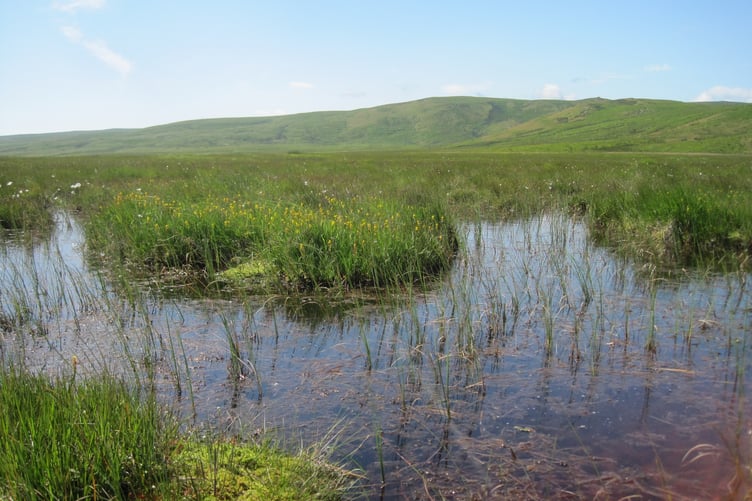
A petition has launched calling for the Welsh government to ban all developments on peatland across Wales.
The Cambrian Mountains Society says the ‘green’ is being taken out of ‘green energy’ as many large-scale wind farm developments are proposed to be built on Wales’ peatland.
Peatland is becoming increasingly recognised as one of nature’s best methods of capturing and storing large amounts of carbon.
The Cambrian Mountains Society (CMS), Friends of the Earth Cymru and South and West Wales Wildlife Trust are collaborating on the Senedd petition, stating that “destroying peat in an attempt to reduce future human carbon emissions [via developments like wind farms] makes no sense”.
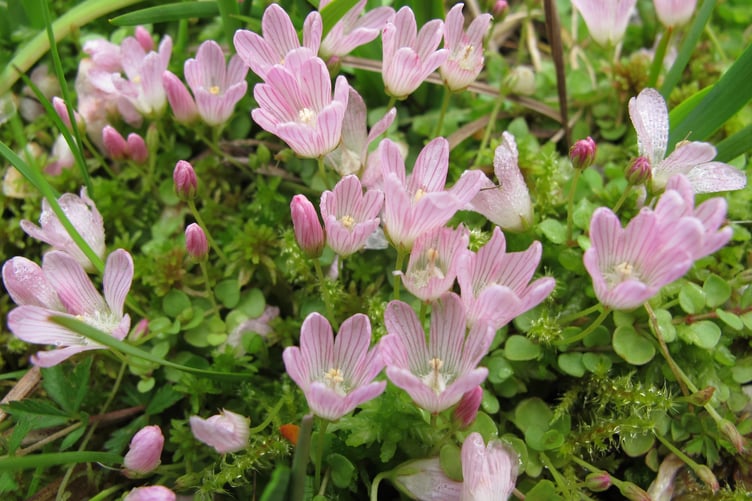
Wales’ peatland makes up 4 per cent of Wales, but stores 25 per cent of Wales carbon stock.
While most plants store carbon only as long as they are alive, peatland not only captures more carbon from the atmosphere than all of the world’s vegetation combined but also stores it for the very long term – 10,000 years or more.
When peatland is healthy, it helps reduce flooding by holding water in the uplands, filters water to become cleaner downstream and helps stop the spread of wildfires, as seen in the recent Elan Valley wildfire.
While some moves are being made to protect peatland, with a ban on removing peat for garden compost tabled in 2022, the Welsh government has also allowed planning applications to override peatland protections, such as the recent permission given to a wind farm development on peat near Caerphilly.
Renowned horticulturalist and journalist Alys Fowler, Patron of the Cambrian Mountains Society, is so fascinated by the amazing qualities of peatlands that she published an entire book on them, Peatlands, last year.


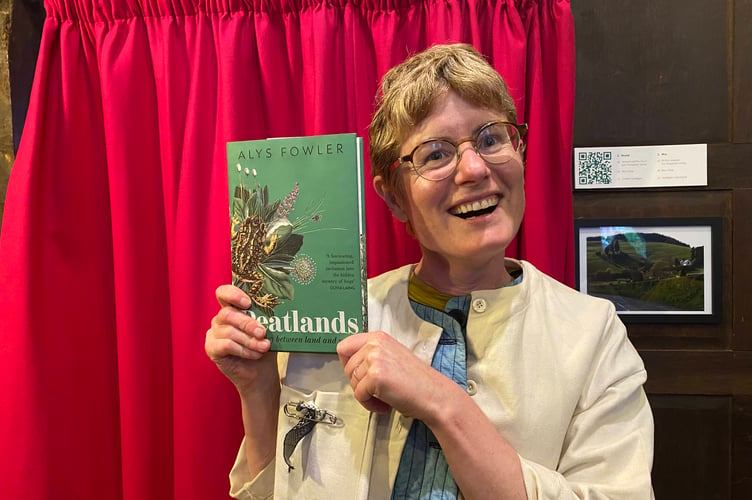
The Ceredigion-based writer said: “Twenty-five years ago when I was working at Kew Gardens, we decided to make the Gardens peat-free to help preserve the special peatland habitats.
“So we tried to create a small peat bog to explain to the public why we were doing it.
“But despite Kew’s enormous expertise, we simply couldn’t keep anything alive in our bog. It made me want to understand what is so ungovernable about them.
“Their complexity is mind-blowing, with the tiny jewel-like mosses engineering the chemical conditions and how they manage the flow and storage of water so well.
“There’s a lot of energy going into research on this at the moment, but there’s no way we understand the half of it yet.
“We absolutely should not be messing up such important assets when we need every tool we’ve got to fight climate change.”
Dr Emma Hinchcliffe, Director of the UK Peatland Programme of the International Union for the Conservation of Nature, said: “Compromising the ‘green’ of green energy by placing it on peatlands is both irresponsible and shortsighted; physically removing habitat and the services to society which those peatlands provide and undermining globally important climate change and biodiversity targets.
“Blanket peatlands are globally rare - the UK is home to around 15 per cent of the global extent.”
Comments
This article has no comments yet. Be the first to leave a comment.