

A TV show will celebrate the slate mining communities of Gwynedd.
On Wednesday, 28 July, S4C’s Taith Lle-CHI will look at the unique landscapes nominated for UNESCO World Heritage Site status.
If the bid is successful, they area will win the right to be listed among the most spectacular places in the world.
TV presenter and National Poet of Wales, Ifor ap Glyn said the idea for the programme “started with the idea of a tour of Gwynedd’s quarries, walking from one slate town to the next”.
.jpeg?width=209&height=140&crop=209:145,smart&quality=75)

“I then invited poets and musicians to come up with a new poem or song, conveying their area, something that celebrated the unique heritage of the slate mines.
“As the application involves six areas, six artists are involved. They represent; Bethesda, Llanberis, Dyffryn Nantlle, Cwm Pennant and Cwmystradllyn, Ffestiniog stretching to Porthmadog and finally Bryneglwys - Abergynolwyn and Tywyn.
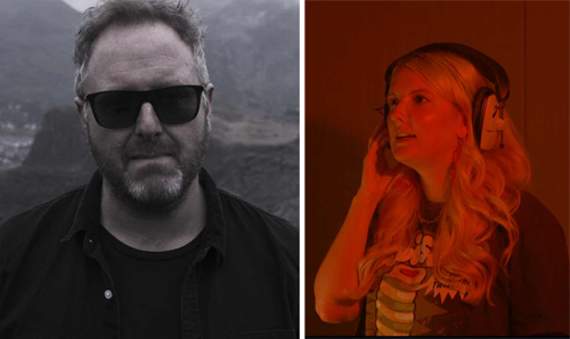
“The featured artists are; Lisa Jên Brown of 9Bach, Arwel Jones of Hogia’r Wyddfa, poets Karen Owen and Edwin Humphreys; Gai Toms; Llio Maddocks and Dyl Mei and Manon Steffan Ros.”
As the artists have distinctly different talents and styles, the finished tracks are uniquely diverse.
“Compressing the tracks and their back stories into a one-hour programme was a challenge. However, I was pleased at how we were taken in several different directions thematically, without whitewashing the more negative side of the industry,” said Ifor.
“Lisa Jên’s song focusses on how the Penrhyn strike tore communities apart, while Karen writes about oxygen canisters used by miners who suffered from pneumoconiosis. ‘Doesn’t slate make quarries of men’ is the cutting comment Manon makes at the end of her song.
“Gai gives an epic overview of the history of the Ffestiniog quarries in a five minute song while Llio looks at Porthmadog from a more current perspective.
“Arwel celebrates the language and terminology of the quarries using a selection of the work of former quarryman Emyr Jones.”
The Gwynedd slate industry has roofed millions of houses all over the world but it was also an innovative industry which developed specialist stone-cutting techniques, water powered machines and railways.
“But more than anything else the industry created new industrial communities which were completely Welsh-speaking,” said Ifor.
“I have always been interested in this history. My nain and taid were the children of quarrymen, so the history is still very much alive for me, but perhaps not so much for the younger generation.
“It’s important not to take these things for granted, and Taith Lle-CHI is a way of reconnecting the people of the area with a history we are at risk of losing.”
See Taith Lle-CHI on Wednesday, 28 July, at 9pm.
Comments
This article has no comments yet. Be the first to leave a comment.