
Back in April, writing an introduction for Sioe Llanilar I included a farmers’ wish list; regular seasons, decent weather, no scary diseases, steady politics, sensible government, low inflation and no sudden shocks.
All across the UK, the pressure on farming businesses has been building. Farm gate milk prices are about 60 per cent of what they were at the end of last year. They may be slowly creeping back up, but how would you manage your household budget on a sudden loss of 40 per cent of your income? That’s made worse by dramatic increases in input costs, fuel being one obvious example.
Last week, two of the big agricultural banks announced help packages for farming businesses. This isn’t debt relief; it is simply delaying repayments and in the long term that makes the debt cost more. Everything helps, but there is an element of self interest here too; if a lot of farms go bust all at once then the collateral for the loans (land) may plummet in value leaving banks with a lot of bad debts.
Right now the most obvious crisis is the drought, made worse by heatwaves. Basically nothing is growing without irrigation, and the volumes of water and infrastructure to do that just aren’t available. In Wales, there is no grass for our animals to eat. In the east of the UK, vegetables aren’t growing, wheat production is down 14 per cent and oats 10 per cent.
Milk production is falling and the vast majority of dairy farmers are already feeding silage that is made for the winter months. To have any chance of replacing that, we need weeks of steady rain followed by a glorious autumn. Please pray, hard!



To add to the misery of Bovine TB, we are now dealing with the exponential rise in Bluetongue, a viral disease spread by midges. This affects cattle, sheep and goats; in the Southwest there are reliable reports of 50 per cent mortality in sheep flocks. There is a vaccine but availability is limited and whether we can get animals protected in time to prevent a similar catastrophe in Wales remains doubtful.

Is this just a problem for our farmers? I’m afraid not. Food shortages are on the cards and sensible economists are warning of 5% food price inflation later in the year. Adding to the cost of living crisis, it will also feed through into inflation, keeping interest rates up and suppressing growth.
What can we do?
Sorting out our water infrastructure would be a great place to start, not least because we need more of it for modern industries like AI, data centres etc, as well as agricultural irrigation.
Old farmers in Ceredigion remember the rural watermains being laid in the early 1960s. Frequent water outages over the last few weeks suggest an urgent need to replace them. At least that will bring livestock farmers dependable water. We need to just do it.
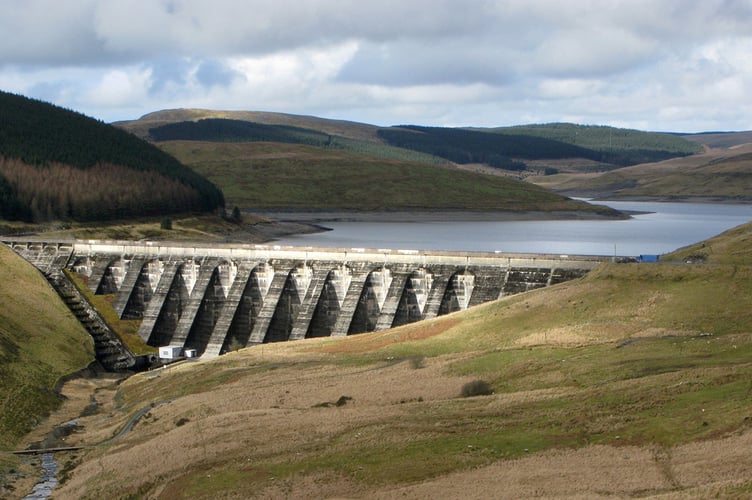
Back of an envelope calculation suggests UK rainfall (250 billion cubic metres) is fifty times UK water consumption (5 billion). We wouldn’t need to store all of that if rainfall was steady. But we clearly need to increase current storage to cover droughts, control floods and generate a bit of green hydro power too. That means building reservoirs; as a country we actually need to do this rather than spending vast sums arguing over not doing it.
In the 1930s the USA built the Hoover Dam, taming the mighty Colorado River. The motivation? Irrigation of arid desert to grow food, flood control, power generation and economic stimulus (creating thousands of jobs after the Great Depression).
With over 10 million working age people not working in the UK, can anyone else see a quadruple win situation?
Comments
We've recently changed our login process. If you have an account for commenting, you will need to re-register on the login window.
This article has no comments yet. Be the first to leave a comment.