

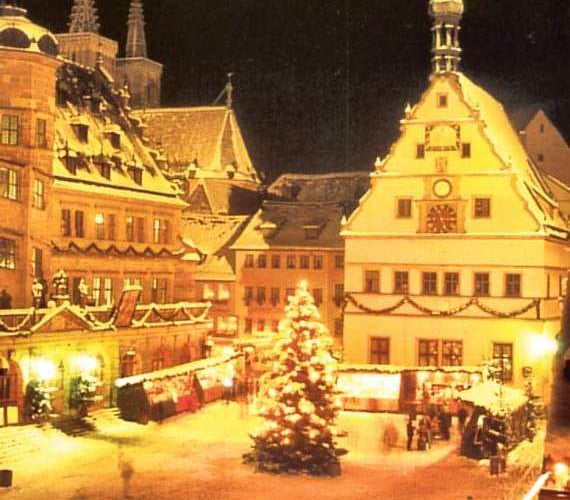
Join our whistle-stop tour around Europe, Santa-style, to see how other countries celebrate.
Belgium
Christmas joys commence early in Belgium with Sinterklaas day. On the night of 5 December, Sinterklaas rides with presents from house to house, accompanied by his helper, Zwarte Piet. The children leave their boots at the fireplace and leave hay and sugar for Sinterklaas’ horse.
France


The French buy their trees at the beginning of December and they are decorated by the family. Christmas Eve is an ordinary working day for the French. But in the evening, the family gathers together for an opulent Christmas dinner. The traditional festive meal is the Réveillon, an elaborate feast of many courses.
Spain
The Christmas season begins in Spain with the big Christmas lottery on 22 December. For the Spanish, Christmas is the most important feast of the year followed by New Year’s Day.
Germany
For German families, Christmas cookies, Advent wreaths and Advent calendars are traditionally part of the season.
The 24 Advent calendar gifts shorten the long wait for Christmas, especially for children. Each one of the wrapped presents is opened every morning, until the festive climax on Christmas Eve and the following days.
Greece
Christmas is one of the most important religious occasions in Greece. Each person wishes each other ‘Kales Giortes’, happy festive days, between Christmas Eve and Epiphany, 6 January. Children wander from door to door and sing the Kalanda.
Austria
Austrian children are given small presents by Saint Nicholas and his companion ‘Krampus’, who wander the streets on 6 December.
Christmas Eve in Austria is celebrated on 24 December with the whole family gathered around a decorated Christmas tree, with presents for all.
Comments
This article has no comments yet. Be the first to leave a comment.