
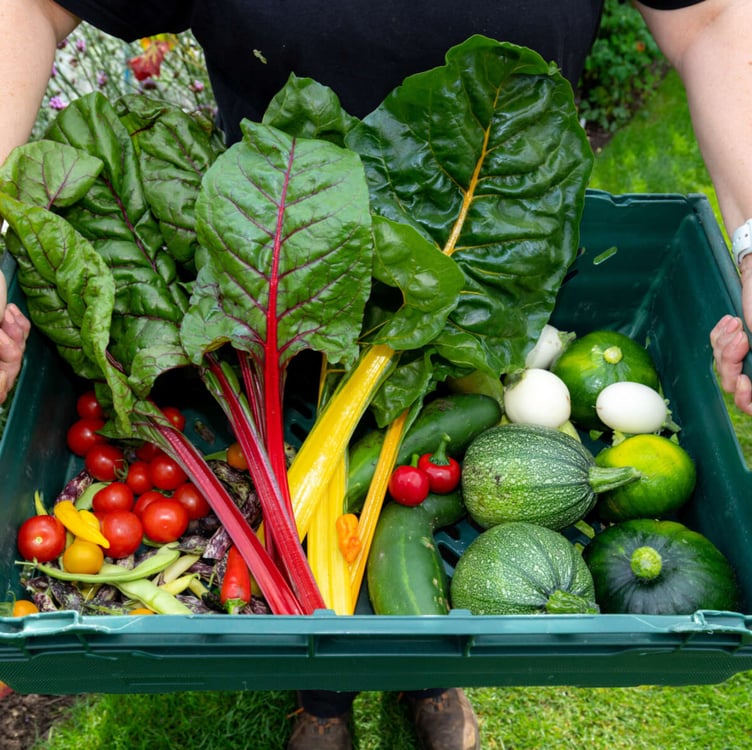
An Aberystwyth gardening project inspired by Second World War food-growing campaigns is being expanded through a partnership between the university and community organisation Eco Hub Aber.
Maes Dysgu Aber Learning Field combines food cultivation with lessons about history, biodiversity and sustainable living.
The initiative builds on a Dig for Victory garden established just over four years ago by staff from Aberystwyth University's Department of History and Welsh History. Inspired by wartime gardening guides and community growing campaigns, the original garden has developed into a wider educational space.
The site now incorporates the Penglais Heritage Fruit and Nut Orchard, a student-managed Three Sisters Bed and the Aber Medieval Physic Garden. The Three Sisters Bed draws inspiration from Indigenous Mesoamerican growing traditions, while the medieval garden explores plants historically used for food and medicine. According to the university, the site regularly accommodates more than 30 students at a time.
Eco Hub Aber's involvement will introduce additional community allotments, expanded composting activities and further opportunities for sustainable food production. Plans also include improved composting systems, a polytunnel and a composting toilet, demonstrating practical approaches to reducing environmental impacts.
The community organisation's work is supported by funding from Ceredigion County Council, the Ceredigion Food Partnership and Keep Wales Tidy.
The university says the partnership aims to bring greater activity to an existing growing site that many local residents may not know about. It is intended to encourage community participation, develop practical growing skills and create more opportunities for people to spend time outdoors.
The project forms part of wider efforts to strengthen local food security and support community wellbeing across Aberystwyth.
By combining historic growing methods with modern sustainability practices, organisers hope the Learning Field will help students and residents explore how food can be produced closer to home.

The collaboration also aims to encourage knowledge-sharing between the university and the wider community.
Comments
We've recently changed our login process. If you have an account for commenting, you will need to re-register on the login window.
This article has no comments yet. Be the first to leave a comment.