

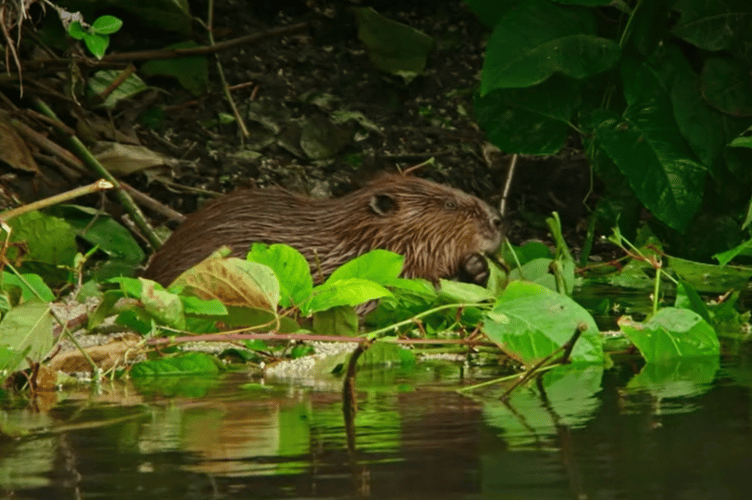
Eurasian beavers have been officially recognised as a native species in Wales and have been granted protected status by the Welsh Government.
The Wildlife Trusts in Wales and Beaver Trust have welcomed the new Welsh Government legislation, saying it's a major milestone for restoring the species to the Welsh landscape.
This move aligns legislation in Wales with protection legislation elsewhere in Britain and reflects strong public and conservation support for the return of beavers and their ecological benefits.
Last year, the Deputy First Minister announced that the Welsh Government was to officially recognise beavers as a native species and extend European Protected Species status to them in Wales.




The new legislation came into force on 4 March 2026 and this latest action fulfils Welsh Government’s commitment.
Eurasian beavers are known as ‘keystone species’ because they play a vital role in enriching biodiversity – restoring and managing wetland ecosystems.
Alicia Leow-Dyke, Welsh Beaver Project Officer for the Wildlife Trusts in Wales, says: “We have been working towards this goal of legal protection for beavers in Wales for many years, so we are delighted with this brilliant outcome. Beavers play a vital role in our ecosystems and formally recognising them as a native species is the right thing to do. It marks a vital milestone in the re-establishment of wild beavers to Wales. We thank the Welsh Government for listening to all the evidence and making the right decision.”
Richard Young, CEO of Beaver Trust, says: “We warmly welcome the decision to grant beavers legal protection in Wales. Beavers provide an incredible range of benefits to our ecosystems, making this a hugely positive step for nature recovery. This landmark decision reflects years of commitment and collaboration from conservationists, communities, and policymakers, all working tirelessly to create a more resilient and biodiverse Wales.”
Karen Whitfield, Director of Wales Environment Link, said: “Wales Environment Link welcome the decision to legally protect beavers in Wales. This is a significant step which could speed up the restoration of nature across Welsh river catchments. Responsibly managed reintroductions built on good community engagement, strong evidence, and impact assessments are now critical to ensure the benefits of beavers in Welsh rivers can be enjoyed by all.”
Beavers were once widespread across Wales, but due to overhunting by humans mainly for their fur and meat they became extinct after the Middle Ages in Wales and by the end of the 16th century they were extinct from the rest of Britain. As ecosystem engineers the natural behaviour of beavers can help restore and manage freshwater ecosystems, and create climate-resilient landscapes – so this recent announcement is excellent news for wildlife and people.
Through the Living With Beavers In The Dyfi Catchment Project, the Welsh Beaver Project led by the Wildlife Trusts in Wales has been developing a Beaver Management Network for Wales. This is funded by the Nature Networks Fund, which is delivered by the National Lottery Heritage Fund, on behalf of the Welsh Government and in partnership with Natural Resources Wales.
Comments
This article has no comments yet. Be the first to leave a comment.