

Madam,
It is a relief that, at last, a full four and a half years after Betsi Cadwaladr Health Board closed down hospital services in the Memorial Hospital at Blaenau Ffestiniog, the promised new building is available.
But sadly the suffering that the residents of Blaenau and the other villages in the Welsh Uplands have endured over the past four and a half years is destined to continue.
The Cabinet Minister for Health and Social Care is opening a visually appealing building.
-a-joyful-and-inclusive-c.jpeg?width=209&height=140&crop=209:145,smart&quality=75)

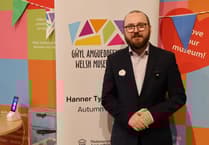

But bricks and mortar never healed anyone: It is the services to be provided from within the new premises that that will improve the wellbeing of the residents, or otherwise, not the visual impact of the building.
In 2014, Prof Marcus Longley and his team from the Welsh Institute for Health and Social Care examined the state of healthcare provision in rural mid Wales, including Meirionnydd, and compared it with that in countries like Scotland.
Prof Longely and his team found the provision in Wales to be variable.
The small community hospital in Tywyn, for example, provided a service in line with the Welsh Government’s prudent healthcare guidance.
But the Blaenau Ffestiniog service fell far short of the Welsh Government policy adopted and was “contrary to the Welsh Government’s ‘Setting the Direction’ and the ‘Rural Health Plan’ publications”.
Of all the places in Wales that Prof Longley examined, he found the Ffestiniog area to be the least well-served with a “fragile service” and with a situation that he felt was “more urgent”.
Neither Betsi Cadwaladr nor the Welsh Government health ministers have done anything, urgent or otherwise, to address the situation.
It is to be hoped that the media will focus on a comparison of the services to be provided in the new Ffestiniog facility and compare them with Prof Longley’s 2014 list from Tywyn hospital which he found to meet the government’s prudent healthcare level.
Using a US comparative model the level of services planned in the new visually appealing building would be classed as ‘primitive’, with patients being offered only partial care in their local neighbourhood and being required to travel out of north Meirionnydd to obtain basic community healthcare services from other areas.
Such travel causes the dreaded “distance decay in healthcare outcomes”.
As studies of over 100 rural healthcare models have shown, patients do not make the same level of recovery when they have to travel out of area as when easily accessible healthcare services are provided genuinely close to their homes.
Other social factors such as high deprivation levels, some poor housing, limited types of employment opportunities, etc, has already given the residents of the Ffestiniog Wellbeing area a life expectancy of five years less than the rest of Meirionnydd, according to the Welsh Public Health Observatory.
One might have expected that a Labour Party health minister would not tolerate a healthcare delivery policy that discriminates against, and delivers suffering to, a native Welsh-speaking deprived rural community, so why does Mr Gething appear to do so?
Yours etc,
Tom Brooks, Borth-y-Gest, Porthmadog.
Have your say on the local issues affecting you - email [email protected] or join in the conversation on our Facebook page
Comments
This article has no comments yet. Be the first to leave a comment.