

Ceredigion residents have the lowest carbon footprint in the UK, according to analysis by environmental organisation WWF and the Stockholm Environment Institute at the University of York.
Ceredigion residents taking part in the analysis had a footprint of 10.8 CO2e (carbon dioxide equivalent).
In addition, more than 20 per cent of respondents spend nothing on clothing in a given month, and 10 per cent have solar panels.
However, more than 50 per cent of respondents in Ceredigion did not know what energy tariff they were on, so there is still some room for improvement.


.jpeg?width=209&height=140&crop=209:145,smart&quality=75)
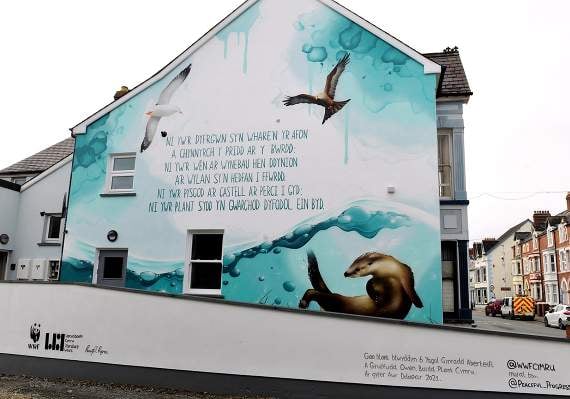
Ceredigion’s commitment to improving the environment is also on display on a building wall in Cardigan as part of a WWF Cymru/Literature Wales poetry street art project.
The area hosts a spectacular mural (pictured), inspired by poems written by pupils at Ysgol Gynradd Aberteifi depicting their desires for a brighter future for people and nature.
UK-wide, the analysis has revealed some positive shifts towards a more eco-friendly lifestyle.
The analysis, taken from 15 months of data between February 2019 and October 2020, showed the positive impact of lifestyle changes at home, with using renewable energy an important factor in people cutting their carbon footprints.
Travel is the largest contributor to the average footprint, making up 30 per cent. The impact of Covid-19 has undoubtedly played a large part in footprint reductions, mainly due to the decrease in flights over part of the period analysed. However, average footprints decreased across all areas of lifestyle, which indicates an appetite for more sustainable living.
Switching to lower-carbon transport – including cycling, public transport, and electric cars helps reduce the travel footprint. Yet even before Covid-19, more than 60 per cent of respondents did not travel by public transport (bus or train), and trends show use of public transport going down.
As the UK emerges from the pandemic, this trend must be reversed, with investment in more sustainable public transport to help meet UK targets for emissions reductions.
Jessica McQuade, WWF Cymru head of policy and advocacy, explained: “We are pleased but not surprised that Ceredigion has the lowest overall carbon footprint in the UK.
"We know that people in Wales care about the impact we have as a nation, and as individuals, in tackling the global climate and nature crisis.
"Given the scale of change we need to see to reverse the damage to the natural word both in Wales and globally we need to see these positive personal steps continue in the right direction, combined with action from government and businesses, to make the difference we need to see.”
Comments
This article has no comments yet. Be the first to leave a comment.