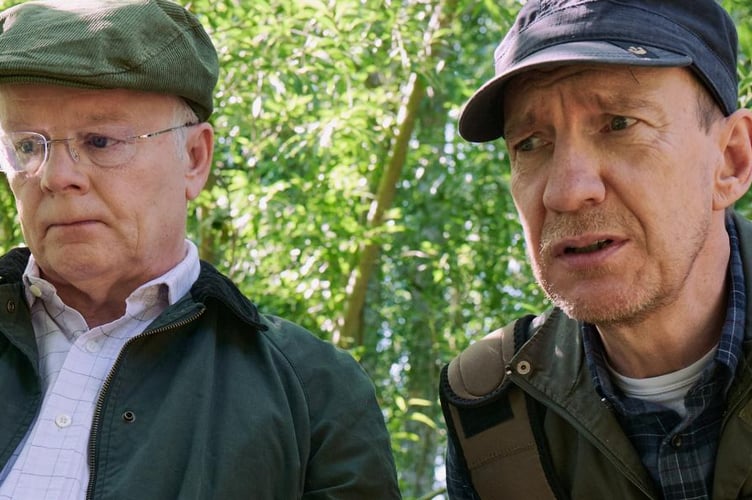
The UK public is still reeling from the newly revealed realities of our reeking waterways.
Wales is not immune to the scandal; in fact, it's home to some of the worst figures.



This is the highest figure of any UK water company, equivalent to a spill more than once every five minutes.
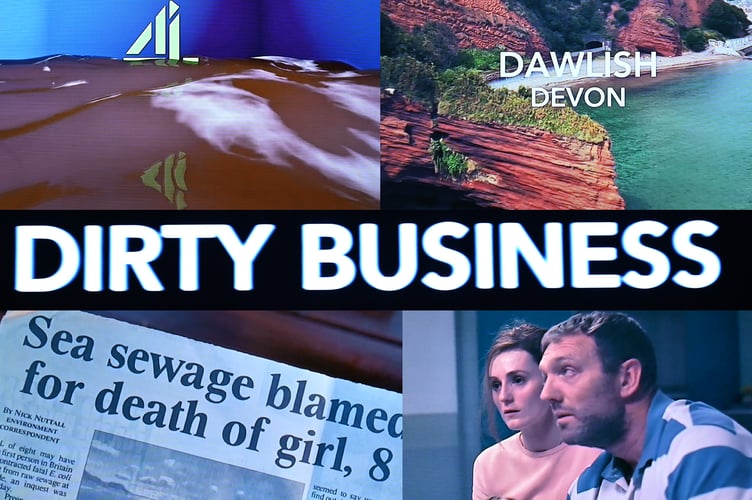
Raw sewage pollution is not only bad for human health (the series dramatises the real-life death of 8-year-old Heather Preen, who caught a pathogen from a dirty Devon beach), but severely reduces oxygen levels in the water, impacting all life.
Less than half of Welsh rivers are classed as ‘good’ by government standards, with rivers Teifi and Usk particularly struggling, and a waterway in Llanbrynmair classed as the ‘worst in Wales’ for three years.
The series points to Thatcher’s privatisation of water companies and cuts to enforcement as the reason why we’re in dire straits.
Though Dŵr Cymru is non-profit, in 2021 the CEO took home close to £1m - in the last two years this has reduced to under £500,000 annually.
Dŵr Cymru has also been punished - last year, it was asked to pay £1.35m for over 800 offences involving improper monitoring, but this was reduced to £120,000 on appeal.
This month, they were asked to pay an additional £44.7m for “serious and unacceptable” breaches.
Despite new environmental laws brought in by Westminster and Senedd, the citizen science investigation that the series highlights discovered gaps in water companies' reporting of spills of up to a year at a time.
Water companies are allowed to issue untreated sewage during extreme rainfall, but neighbour duo Peter Hammond and Ashley Smith found that companies were also seeping raw sewage during periods with no rain, too.
This puts the mystery illnesses Borth dippers suffered from in 2024 into new light, along with the discoloured water and fish kill on the Leri last summer.
These incidents could have nothing to do with sewage - Dŵr Cymru reported no spills around these incidents - but how can the public trust companies or regulators with such glaring omissions?
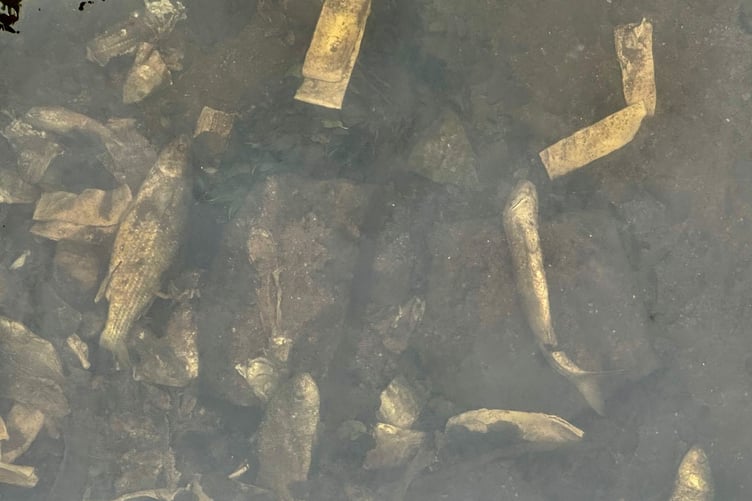
The Guardian brands this “decriminalisation by underresourcing”.
Surfers Against Sewage CEO Giles Bristow branded the system “broken”, calling clean water a “bare minimum”: “This is not a crisis of the past; it is happening right now. Communities across the UK are living with the consequences of a failing water industry.”
Citizens have taken matters into their own hands, regularly testing water quality on the Dyfi and Teifi.
Natural Resources Wales states they investigate and take action on illegal discharges, “pressing for an ambitious investment programme to address the impacts of these spills”.
Dŵr Cymru are investing £2.5bn on improvement projects, but admitted removing storm overflows was “unaffordable”.
Comments
This article has no comments yet. Be the first to leave a comment.