

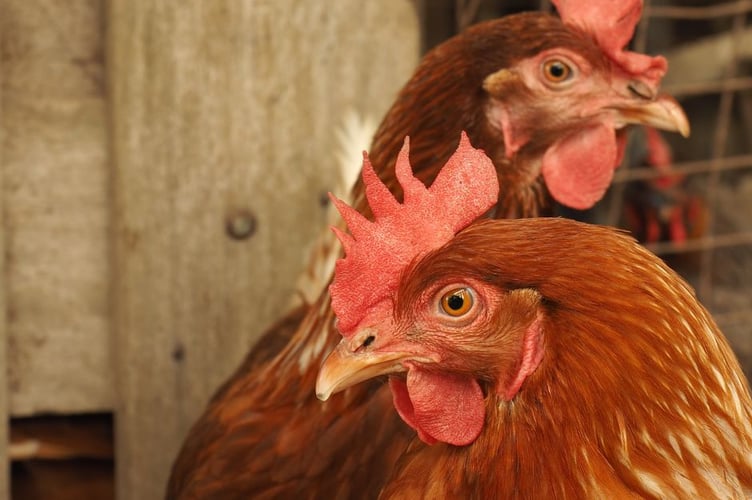
All bird keepers, whether commercial or backyard are being reminded to follow strict biosecurity measures to help prevent the spread of avian influenza.



Back in November 2025, Wales introduced mandatory bird housing measures under the avian influenza prevention zone due to increased risk levels driven by the rising number of cases detected in both wild and kept birds across Great Britain.
All keepers of 50 birds or more must house them, with the requirement also applying to smaller flocks where eggs or poultry products are sold or given away.
Highly pathogenic avian influenza (HPAI), often referred to as bird flu, is a highly contagious viral disease that can affect the respiratory, digestive, or nervous systems of many bird species. While the current strain poses minimal risk to human health, the virus spreads easily among birds, particularly during the winter when migratory species are active.
Dafydd Jarrett, National Food and Farming Adviser at NFU Cymru said: "H5N1 is probably the most virulent and persistent strain of avian influenza we have seen in the UK. Top-level biosecurity is needed to keep it at bay. I am convinced that commercial poultry keepers have done just this, contributing thankfully to the low number of cases here in Wales. However, with the virus present in the wild bird population and just a tablespoon of contaminated faeces able to infect 1 million birds we cannot drop our guard, and the industry needs to seek best possible advice from reliable sources like this and apply it on their individual farms day in day out”.
Birds affected by the disease may show a range of symptoms, including a swollen head, blue discoloration of the neck and throat, loss of appetite, breathing difficulties such as gasping, coughing, sneezing or gurgling, diarrhoea, reduced egg production, and a noticeable increase in deaths within the flock.
Comments
This article has no comments yet. Be the first to leave a comment.