
A farmers' union has hit out against what will become Wales’ largest rewilding scheme.
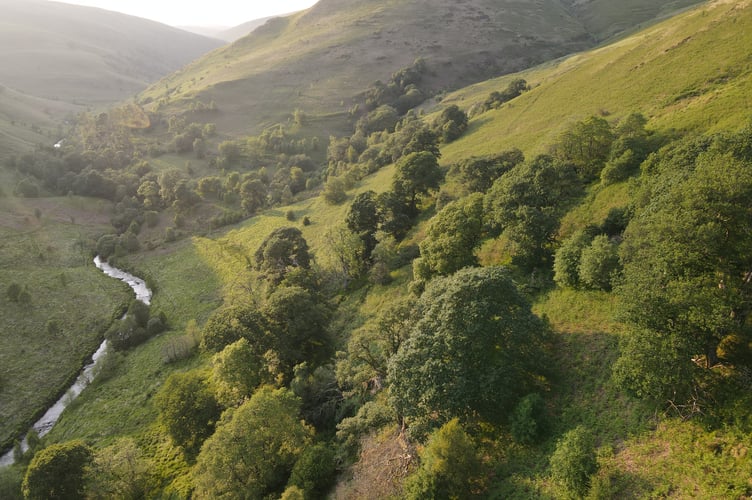
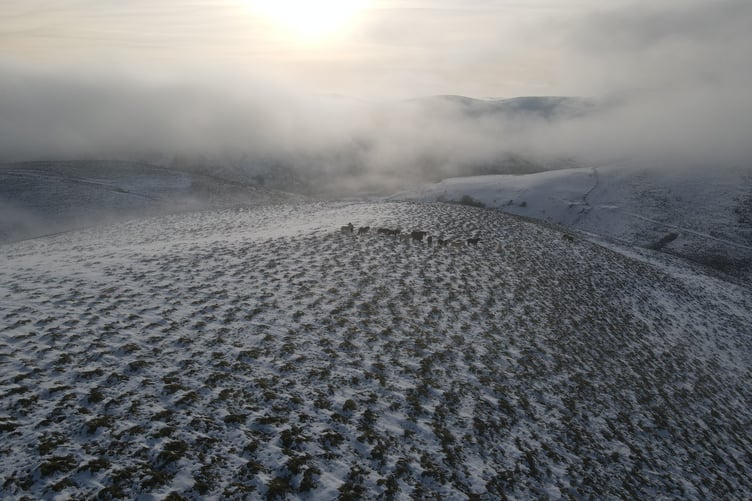
This week, charity Tir Natur announced that 1,195 acres across the Cambrian Mountains were to become the country’s largest nature restoration project.
Tir Natur plans to restore wildlife on Cwm Doethïe working with local communities and tradespeople, with the aim of increasing biodiversity, cleaner water, healthier soils, improved carbon storage and reduced flood risk to downstream farmland by restoring habitats, including peatland.
However Farmer’s Union Wales (FUW) President Ian Rickman has called out the scheme, which he states could cause “ecological harm” as well as economic risks to rural communities.
He said: “The FUW remains fundamentally opposed to rewilding, given the clear evidence of the ecological harm and economic risks it poses to Wales’ rural communities and species which rely on active management.
“We have concerns about the scale and transparency of this project, and while it is positive that the role of livestock has been acknowledged, questions remain over how such a large area of land will be managed and funded in practice, and what this means for food production and the wider rural economy in the long term.”
.jpeg?trim=187,0,146,0&width=752&height=500&crop=752:500)
He added that the FUW will seek to engage with the charity “to ensure the voices of local farmers and rural communities are properly heard and considered” and that decisions take these potential repercussions into account.
Tir Natur has acquired land in Cwm Doethïe that was marked as having ‘poor grazing value’ and unsuitable for commercial forestry due to its location in the Mynydd Mallaen/ Cwm Doethïe Site of Special Scientific Interest.
According to the charity, the vendors who sold the land will continue living in their farmhouse and farming adjacent plots of land.
FUW pointed to research that documents ecological damage caused by the removal of agriculture from ecosystems where farming has been practised for thousands of years, when farmland is ‘abandoned’.
The FUW states it agreement with the Telegraph’s environment correspondent Patrick Galbraith, who wrote that rewilding is “a nebulous radical political movement, riding a wave of nostalgia and soul-searching in an intensely urban epoch”.
Responding to FUW’s comment, a spokesperson from Tir Natur said: "We’re keen to engage with farmers and their representatives as the project moves forward.
“We respect that there are different views about rewilding.
"There is extensive evidence from projects across the UK and Europe that nature-led restoration supports rural jobs, increases wildlife, improves soils and water.
"The recent NRW and Welsh Government reports show nature in Wales is continuing to decline, which is our motivation.
"Nature and the communities of Wales deserve better. We have a shared love of nature and landscapes. It's part of our national identity.
"This project is about a long-term approach.
“We will improve this site’s ecological health while ensuring it is a working rural landscape.
“"Livestock are central to the plan, and there will be grazing animals on this site alongside people working on the land."
Comments
This article has no comments yet. Be the first to leave a comment.