
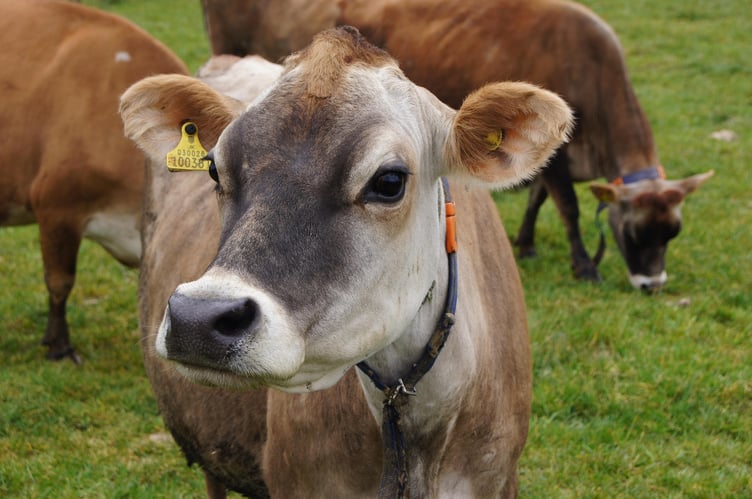
A new livestock virus has been detected on a dairy farm in Powys in one of the first confirmed cases of the disease in Great Britain.
Shamonda virus, which is believed to spread primarily through biting midges, was identified following laboratory testing of cattle samples.
The Animal and Plant Health Agency (APHA) confirmed on Monday, 2 November, that infections had been detected at two dairy farms, one in Powys and another in Shropshire, during October.
The virus has already been identified in several European countries this year, including France, Germany, Italy and Spain.
In cattle, symptoms can include, but are not limited to, fever, diarrhoea, lethargy, reduced appetite and sudden falls in milk production.
There are also concerns about reproductive problems and abnormalities in calves following infection during pregnancy.
Welsh Government guidance confirms the virus has also been detected in sheep, goats, alpacas and horses, although research into its effects is continuing.
The National Sheep Association has urged livestock keepers to report unusual symptoms to their veterinary surgeons. Chief executive Phil Stocker said: "These are very early days and keepers should not be overly alarmed." He added that the cases had emerged at a time of year when midge activity was slowing.
The discovery follows recent warnings concerning bluetongue, another midge-borne livestock disease affecting farms across Wales.
Shamonda virus is not currently a notifiable disease in Britain, and authorities say there is no evidence that additional disease-control restrictions are necessary.




Officials have also stressed that the risk to the general public remains very low, while the Food Standards Agency says there is no current evidence of a food safety risk.
Farmers are encouraged to monitor livestock and seek veterinary advice if the advised symptoms emerge.
There is currently no commercially available vaccine against the Shamonda virus.
Comments
We've recently changed our login process. If you have an account for commenting, you will need to re-register on the login window.
This article has no comments yet. Be the first to leave a comment.