

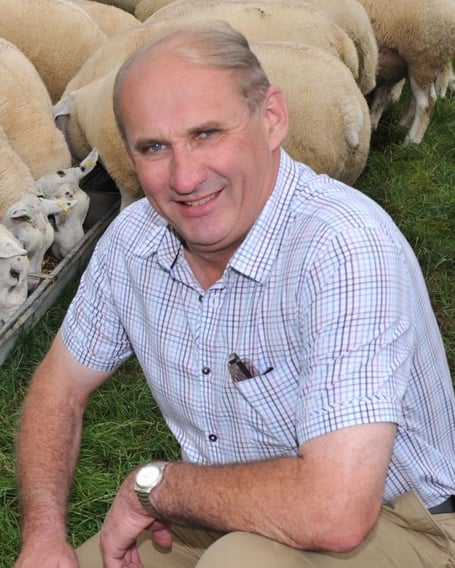
Members of the NFU Cymru Livestock Board have signalled their firm opposition to the government’s proposals to introduce changes to current castration and tail docking methods in lambs.



.jpeg?width=209&height=140&crop=209:145,smart&quality=75)
The UK wide consultation is seeking views on reforming the legislation governing lamb castration and tail docking. Castration and tail docking are widely used for a range of management and animal health and welfare (for example, reducing flystrike) reasons.
The NFU Cymru Livestock Board met just last week to discuss the proposals in a consultation that is being undertaken by the Welsh Government in conjunction with Defra, the Scottish Government and Northern Ireland Executive. The board made it clear there that the proposed new rules, which would require the administration of pain relief (i.e. anaesthetic) prior to tail docking or castrating followed by an analgesic when using rubber rings, would introduce new risks. The board maintains that the current rules that allow for the use of rubber rings in lambs up to seven days without anaesthetic must remain in place.
Commenting on the issue, NFU Cymru Livestock Board Chair Rob Lewis said: “These proposals will be of concern for sheep producers across Wales. Whilst the government may feel the proposals will be a positive for animal health and welfare, we are very clear that the proposals being put forward that would require the administration of anaesthetic and analgesic to very young lambs will cause more
harm and good. Tail docking and the castration of young lambs are vital to ensure effective management and high health and welfare standards are maintained on a wide range of flock systems in Wales and across the UK. It is vital that we maintain the ability to continue to use rubber rings and clamps on farm for young lambs.”
Comments
We've recently changed our login process. If you have an account for commenting, you will need to re-register on the login window.
This article has no comments yet. Be the first to leave a comment.