
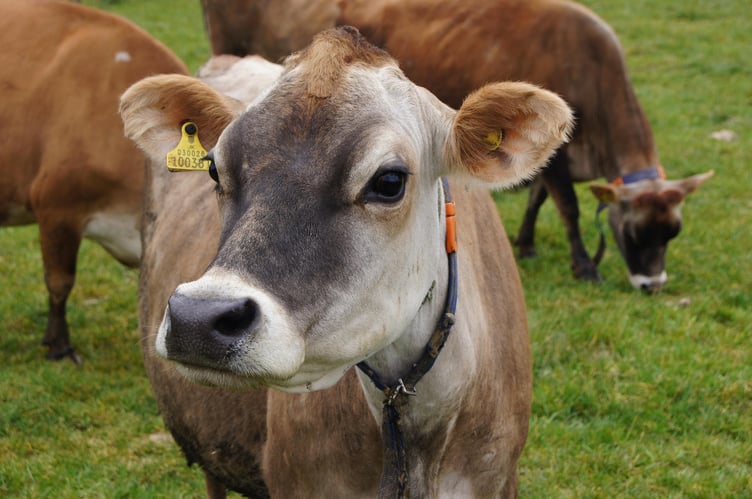
Decades of selective breeding and intensive agricultural practices have reshaped cattle genetics - often at the expense of valuable diversity preserved in traditional herds - according to new research from Aberystwyth University.
The authors of the study, published in Applied Animal Science, warn that safeguarding these genetic resources is critical for sustainable farming.
Traditional cattle herds often carry unique genetic profiles that provide resilience against disease, fertility advantages, or adaptability to challenging environments.
The researchers argue that losing these populations would mean losing irreplaceable traits that could help future generations of farmers respond to global challenges.
The review highlights examples from breeds such as Ayrshire, Jersey, and Hereford, where traditional populations remain distinct from their modern counterparts.
These herds are typically smaller, less intensively managed, and more closely tied to local environments, making them vital for conservation and future breeding strategies.
Researcher, Kardelen Oya Temiz, said: “Traditional cattle populations are more than just historical relics – they are living genetic libraries that hold answers to some of the most pressing challenges facing agriculture today.
“Modern breeding has understandably focused on productivity, but this has often come at the cost of genetic diversity.
“By studying and conserving these traditional herds, we can safeguard traits such as disease resistance, fertility, and adaptability to harsh environments.
“These qualities may prove essential as farmers and breeders respond to climate change, shifting consumer demands, and the need for more sustainable farming practices.



“If we lose these populations, we risk losing irreplaceable genetic resources that could help secure the future of livestock farming.”
Dr Matt Hegarty, senior lecturer in the Department of Life Sciences at Aberystwyth University, added: “Modern agriculture has achieved remarkable gains in efficiency and output, but it has also narrowed the genetic base of many breeds.
“This narrowing makes herds more vulnerable to disease, environmental stress, and changing market conditions.”
Comments
This article has no comments yet. Be the first to leave a comment.