


Public health experts are issuing an urgent call for people across Wales to look out for one another, as the country faces a period of extreme heat.
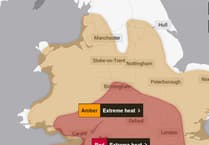
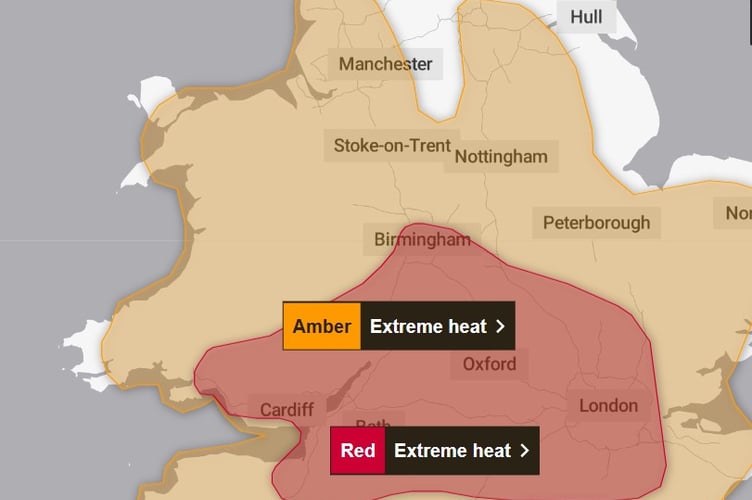
Red and amber weather warnings have been issued for Wednesday and Thursday across Wales, with the mercury set to rise to 37°C in west Wales, accompanied by high humidity.
Heat-related illness can affect anyone, regardless of age or health — but the risks are greatest for older people, babies and very young children, who can deteriorate quickly in high temperatures.
It’s important to try to stay as cool as possible by doing the following:


- Try to stay in the shade
- Drink plenty of water throughout the day
- Keep buildings cool by closing curtains, blinds and windows during the day, opening them again in the evening
- Use a sunscreen of SPF 30 and above with at least 4-star UVA protection
Babies and toddlers can’t regulate their body temperature well.
Avoid covering prams or buggies with blankets or cloths as this can trap heat. Use lightweight bedding and keep rooms as cool as possible. Sometimes, downstairs rooms may be cooler than upstairs for sleeping.
Watch for signs of heat exhaustion. If you or someone else feels unwell during hot weather move to a cool place, rest, and drink water. If symptoms worsen, it may become heatstroke, which is a medical emergency. The signs of heat exhaustion and heat stroke, and what to do, are available on the NHS Wales website.
Professor Sarah Jones, Consultant in Environmental Public Health for Public Health Wales, said: “We need to adapt the way that we live during spells of extreme heat to make sure we keep everyone well. Taking just a few minutes to check in on family, friends and neighbours could be lifesaving. A knock at the door, a phone call or a simple text message can make a critical difference to someone who is struggling in the heat and may not be able to ask for help themselves.”
When it is very hot, try if you can to plan your day to avoid peak sun hours. Try to exercise, walk the dog or run errands in the early morning or late evening. Keep strenuous activity to early mornings or until the weather is cooler in the evenings. If you are going outside, consider wearing a wide brimmed hat and loose-fitting clothing.
It may be tempting to cool off in lakes or rivers, but cold-water shock is a real danger when jumping in. Remember to enter water slowly to reduce the risk of cold-water shock. You should never swim in a reservoir. If you find yourself in trouble in the water, remember the lifesaving advice: #FloatToLive.
What to do if you feel unwell in the heat
- Tell someone
- Move to a cooler area
- Sip cold water and avoid sugary, alcoholic, hot or caffeinated drinks
- Call NHS 111 for advice or 999 in an emergency
For more advice, visit Public Health Wales’ guide to hot weather.
A red warning will cover much of the south Wales valleys on Wednesday and Thursday, with 40°C temperatures possible, accompanied by strong humidity.
Further west, the Met Office says an exceptional spell of hot and humid weather is expected across this region, with impacts to the general population highly likely.
The Met Office says the extreme heat is like to cause significant disruption to daily life.
The amber warning, which covers much of Wales, says: "During the heatwave expected to affect a large part of England and Wales this week, the highlighted area now looks increasingly likely to see a two to three day period where maximum temperatures in the shade exceed 37 Celsius, perhaps rising to 38 to 40 Celsius in some places.
"The heat will be accompanied by high humidity, exacerbating the potential for discomfort and health impacts, with very warm and humid night times also reducing the ability for people to recover overnight.
"Significant disruption to daily life is likely and the public should take every effort to make precautions and adapt their daily routines where possible to cope with these levels of heat, which up to now have been extremely rare for the UK."
Comments
This article has no comments yet. Be the first to leave a comment.