

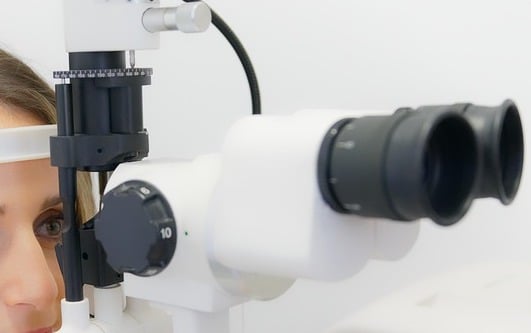
A new Public Interest report issued by the Public Services Ombudsman for Wales has found that failures in the management of a patient’s cataract – including missed tests, cancelled appointments and inadequate follow-up – contributed to avoidable sight loss at Hywel Dda University Health Board.
The Ombudsman launched an investigation after Mrs C complained that the standard of care provided to her mother, Mrs B, for management of a cataract in her right eye was not clinically appropriate or timely.
The investigation found that the Health Board failed to respond appropriately to advice it requested from a Second Health Board regarding Mrs B’s care.
During the Covid‑19 pandemic, the Health Board did not demonstrate that it considered contemporaneous public health guidance when assessing the risks to Mrs B.



When routine services resumed, the subsequent clinical review of Mrs B was inadequate. Relevant tests were not undertaken, a letter to her GP about medication lacked sufficient detail, and an opportunity to refer her for further treatment at an earlier stage was missed.
Mrs B also experienced numerous cancelled clinic appointments during the period under investigation, which contributed to delays in diagnosis and treatment.
Commenting on the report, Public Services Ombudsman for Wales, Michelle Morris, said: “This report identifies serious service failings. Mrs B, who was already blind in her left eye, is now also significantly sight-impaired in her right eye. Her family have described the profound and lasting impact this has had on their lives.
“We found no evidence that the Health Board assessed the risk to Mrs B when cancelling clinic appointments, and earlier opportunities to identify the seriousness of her condition and refer her for further treatment were missed. These are failings from which other health boards must learn.
“The Health Board did not act in a timely manner following the advice from the Ophthalmic Surgeon in August and October 2012.
“The Health Board has said that it does not consider the letters as referrals for treatment but it is clear that these letters arose because the Health Board sought advice from the Second Health Board on treatment for Mrs B. As such the onus was on the Health Board to ensure that Mrs B received that treatment,” she added.
The Ombudsman issued a number of recommendations, all of which were accepted by Hywel Dda University Health Board, including:
• A formal apology to Mrs B and Mrs C.
• A payment of £4,500 to reflect the failings in care, plus £300 for the time and trouble involved in pursuing the complaint.
• Reminders to clinicians about the importance of reviewing previous clinical correspondence, particularly where patients have been lost to follow‑up, and of making timely referrals for specialist care.
• A reminder to the clinician that reviewed Mrs B of the importance of keeping sufficiently detailed patient records and clinic letters.
• A review of policies for managing outpatient clinic appointments to ensure patients with the greatest clinical need are prioritised when clinics are wholly or partially cancelled.
Comments
We've recently changed our login process. If you have an account for commenting, you will need to re-register on the login window.
This article has no comments yet. Be the first to leave a comment.