

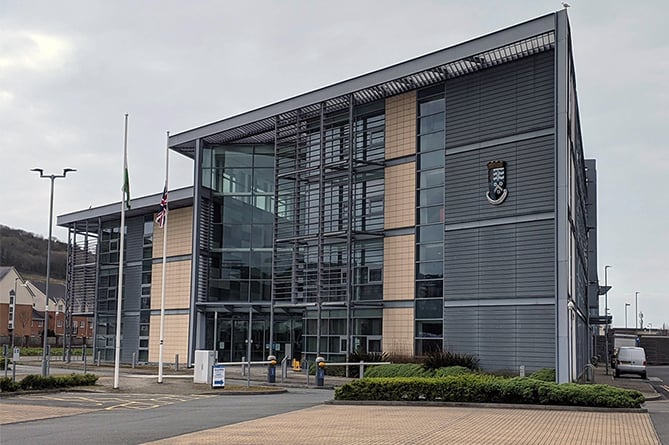
The rising cost of energy, food and fuel is likely to cost Ceredigion County Council an extra £2.1 million next year, the authority has said, as councillors and officers get set to get to grips with forming a budget for 2023/24.
Last week, the Cambrian News reported how the council received an extra £9.6m of funding from the Welsh Government – an 8.1 per cent increase that will take core funding to £129m from March.
While the council said the increase is “welcomed”, it warned the authority is “still facing significant and challenging cost pressures totalling over £20m just for next financial year, which far exceeds current levels of general inflation”.
“Therefore the £9.6m funding increase covers less than 50 per cent of the amount needed and means there is a funding gap of over £10m,” the council added.




The rise in costs for energy, food and fuel
While committees in Ceredigion will not meet to discuss the formation of a budget until February – many other authorities have already begun the process – work has begun behind the scenes at officer level.
“Over the coming weeks, the council will be considering and finalising targeted areas for budget savings, budget reductions and greater Income generation,” the council said.
“These will be discussed and considered by our Overview and Scrutiny Committees in February.
“Consideration will also be given to the level of council tax increase that will be required to maintain frontline public services, at a time when those services have never been more critical.”
The increase in transportation costs
Ceredigion council did share with the Cambrian News a number of cost pressures that it is currently wrangling with ahead of a budget decision.
The council said that energy, food and fuel costs are estimated to cost an extra £2.1m next year.
“In the same way as the cost of these items has increased for households, it is also having a significant impact on the council’s frontline services,” the council said.
“This includes fuel for refuse lorries and gritters and also heating, lighting and food in our schools and residential care homes.”
Transportation costs are estimated to rise by £1.1m, the council said, with “significant cost increases being seen in the subsidies required to maintain public transport routes and in contracts for statutory home to school transport provision”.
The expected rise in pay across all staff
Ceredigion said it was also expecting a rise in pay across all staff including teachers and council workers that will set the authority back around £8.7m, although pay awards for 2023/24 “are not yet determined”.
A proposed 13 per cent rise in the council tax levy paid to the Mid and West Wales Fire Authority will also fall on the council, as unlike the police precept, the council “is required to fund its share of this increase through its own budget”.
That is set to cost the council an additional £500,000.
Part of the increase in Welsh Government funding will go towards a promised Real Living Wage pay rise for social care workers which will be administered by councils.
More than a quarter of Ceredigion’s funding increase – £2.5m – will be used for this purpose, the council said.
The amount to be used for a Real Living Wage pay rise for social care workers
Social care itself – outside the bump in wages for key workers – is “facing challenges from continuing increases in levels of demand and greater complexity of cases”, the council said.
Across social care services, an extra £5m will be needed in 2023/24, the council estimate.
A decision on the final budget is expected to be made at a full council meeting on 3 March after the Welsh Government provide its final budget settlement at the end of February.
Comments
This article has no comments yet. Be the first to leave a comment.