

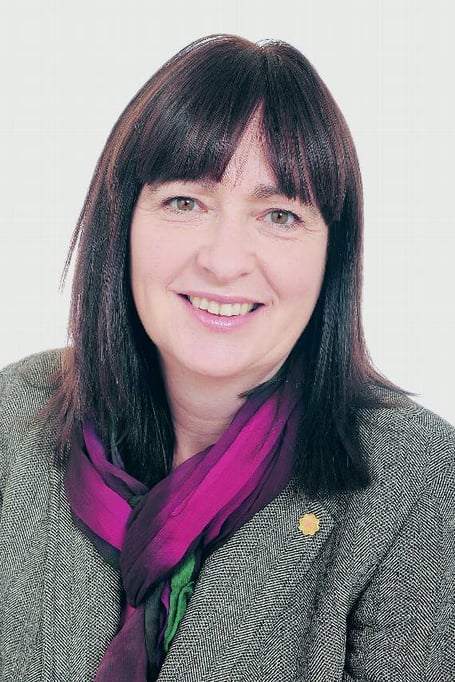
DWYFOR Meirionnydd MP Liz Saville Roberts says her constituency will still bear the brunt of the Chancellor’s austerity agenda despite a u-turn to cut tax credits.
In a shock announcement in George Osborne’s Autumn Statement at the end of November, the Chanceller dramatically ditched controversial plans to raise £4.4 billion from tax credits paid to the poorest working families.
Boosted by better than expected growth forecasts and higher tax receipts, he also abandoned plans to cut police budgets in the wake of the Paris terror attacks.
But he will still implement £18billion of spending cuts to Whitehall departments with transport, business and justice suffering some of the heaviest losses.




The Chancellor vowed to still raise £12billion from welfare in order to meet his target of balancing the books by 2019-20.
Mrs Saville Roberts said she even though there had been a u-turn on tax credits there is still a bleak outlook for her constituency ahead.
She said: “Whilst I welcome the Chancellor’s embarrassing u-turn on tax credits, something Plaid Cymru had lobbied hard for, Wales will still suffer disproportionately compared to other parts of the UK, as incomes are lower here than anywhere else and more people rely on social protection measures.
“The UK government still intends to cut £12bn but will do this elsewhere.
“Those on the lowest incomes in Dwyfor Meirionnydd will again bear the brunt of the Chancellor’s austerity agenda as he outlined cuts to another in-work benefit, a new housing benefit cap.
“People in Dwyfor Meirionnydd who look set to be transferred on to the Universal Credit scheme could also face further cuts. It would seem that the government is targeting the same people but via different means.
“It’s inevitable that public services in Dwyfor Meirionnydd which are already struggling against a backdrop of continued austerity will come under immense pressures yet again. Whilst the Chancellor was happy to boast about areas he’d saved, there was little talk of where exactly he was going to wield the axe.
“Welsh departmental spending will be cut by 4.5% between now and 2020 – this is a real term cut which will have a detrimental effect on local public services such as health and education.”
Comments
This article has no comments yet. Be the first to leave a comment.