

THE first intake of refugees who have fled from war-torn Syria are expected to be provided with accommodation in the north of Gwynedd.
Gwynedd is expected to welcome around 10 refugees a year from Syria over the next four years.
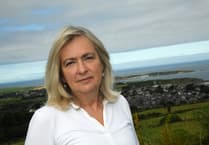
In September last year Gwynedd Council’s leader Dyfed Edwards and Dwyfor Meirionnydd’s MP Liz Saville Roberts said the county was ready to welcome those who have fled war zones across the globe.
The council have been involved in several discussions in regards to the crisis and in a Communities Scrutiny Committee meeting this week it was announced the first influx of refugees will be housed in the north of the county.

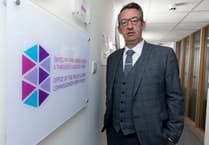
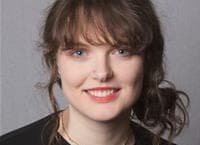
In a report from Cabinet member, Ioan Thomas, it says: “Initial efforts have concentrated on identifying suitable accommodation in the north of the county for the first intake as it was felt it would be easier to identify support resources which would facilitate integration.
“Currently efforts are focusing on finding properties within the private sector to avoid pressure on social housing, however it may be possible to consider hard to let properties in the future.
“Before accepting individuals we will be contacting other key agencies to ensure that efforts are co-ordinated and will be liaising with health colleagues to ensure adequate health provision.
“We will also consider the experience of the four Welsh authorities, who have already received refugees to see if we can learn from their experience and emulate any good practice.
“The Home Office have confirmed the financial package available to provide on-going assistance and to facilitate integration within the community.
“The Westminster Government has confirmed that some money will be available beyond the first year and a promise that funding will continue for a period of five years although it will reduce over the next five years.
“The refugees who will be relocated in Wales have been identified as the most vulnerable and are expected to come directly from refugee camps based in Lebanon, Jordan and Turkey.
“They will have been through a thorough two-stage vetting process before arrival and have been granted five years full humanitarian protection, meaning they will be able to live, work and contribute within their communities.”
Comments
This article has no comments yet. Be the first to leave a comment.