
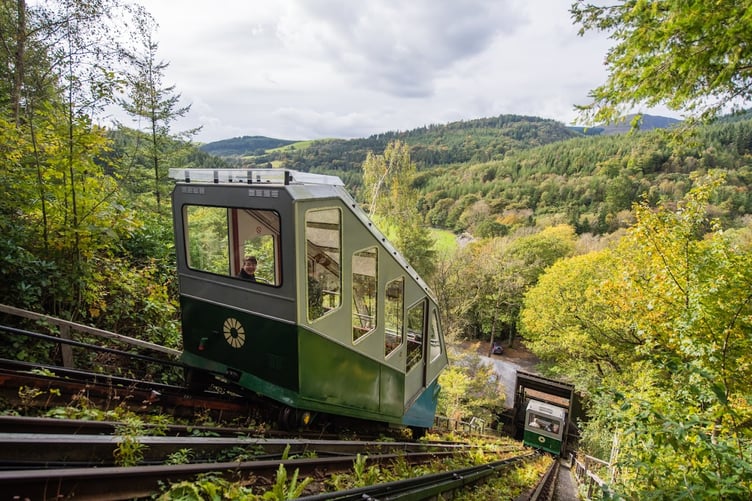
A major redevelopment of the Centre for Alternative Technology (CAT), near Machynlleth, has been withdrawn from the Mid Wales Growth Deal, casting uncertainty over plans to transform the internationally recognised environmental centre.
The Cynefin project, previously publicly described as a £25 million transformation of the site, was intended to modernise educational facilities, improve visitor attractions and strengthen CAT's role in sustainable development.
However, in an announcement published on 29 October, CAT confirmed that it and the Growing Mid Wales Board had agreed the project would no longer proceed through the regional investment programme.
The organisation said the decision followed a review of its development plans and reflected a change in priorities.
CAT explained that the Growth Deal's scale, timetable and financial requirements were no longer compatible with its evolving ambitions.
The announcement represents a significant change of direction for the environmental charity, which had previously celebrated securing support for the redevelopment.
In June 2025, the Growing Mid Wales Board approved funding for the project's first phase, enabling detailed design and specification work to proceed. That phase included plans to remodel the Wales Institute for Sustainable Education (WISE) building, renovate the Quarry Cottages and upgrade the Straw Bale Theatre.
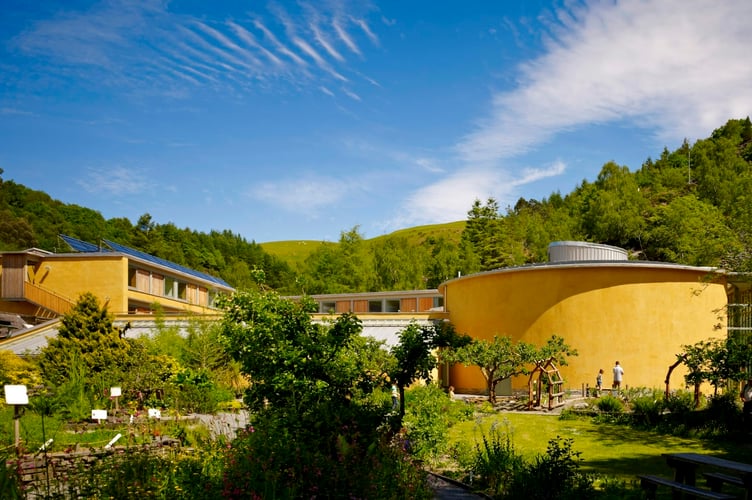
The investment was intended to help transform CAT into a leading destination for environmental education, sustainable tourism and green skills development.
The centre, established in 1973 at a former slate quarry near Machynlleth, has faced considerable financial challenges in recent years. Its visitor centre closed in November 2023 following financial difficulties, with redundancies announced as the organisation attempted to stabilise its operations.



The proposed redevelopment had been regarded as an important opportunity to revive the site's visitor attractions and strengthen its long-term financial position.
Despite withdrawing from the Growth Deal, CAT said funding received through the programme and contributions from other funders had supported substantial preparatory work.
This included ecological and topographical surveys, business planning, a planning application relating to the Quarry Cottages and the preparation of a wider site development plan.
CAT has not announced an alternative funding package or a revised timetable for the redevelopment.
The organisation nevertheless maintains that improving the site remains an important part of its future strategy.
The announcement coincides with the appointment of two interim senior executives.
Former trustees Rhiannon Turner and Megan McGrattan have been appointed interim chief executive and interim chief operating officer respectively. Dr Turner acknowledged that CAT was facing financial pressures and significant organisational change but stressed that its environmental mission remained relevant.
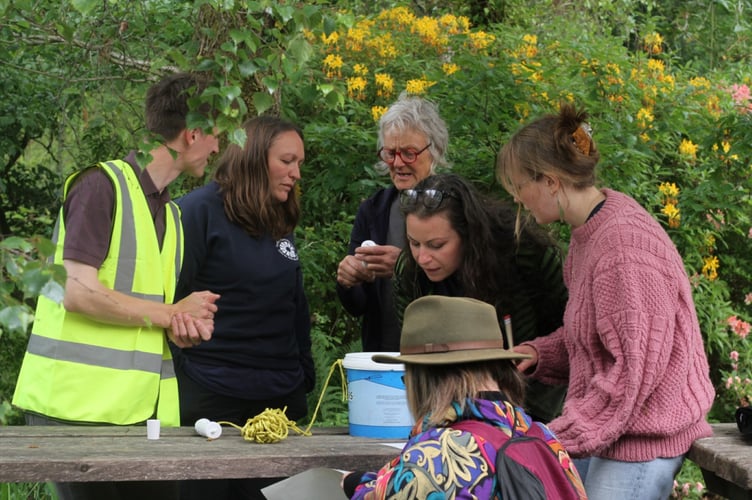
A new five-year strategy covering 2026 to 2031 identifies six priorities, including strengthening educational provision, improving organisational finances and working towards reopening the visitor centre. CAT also intends to expand its postgraduate education programme, with new courses planned for 2027.
Separately, the organisation is participating in the £1.5 million Troi'r Llanw project, supported by the National Lottery Community Fund, which aims to strengthen community-led climate action across Wales.
The Growing Mid Wales Board will now need to determine what the CAT funding decision means for its wider investment programme.
Comments
We've recently changed our login process. If you have an account for commenting, you will need to re-register on the login window.
This article has no comments yet. Be the first to leave a comment.