
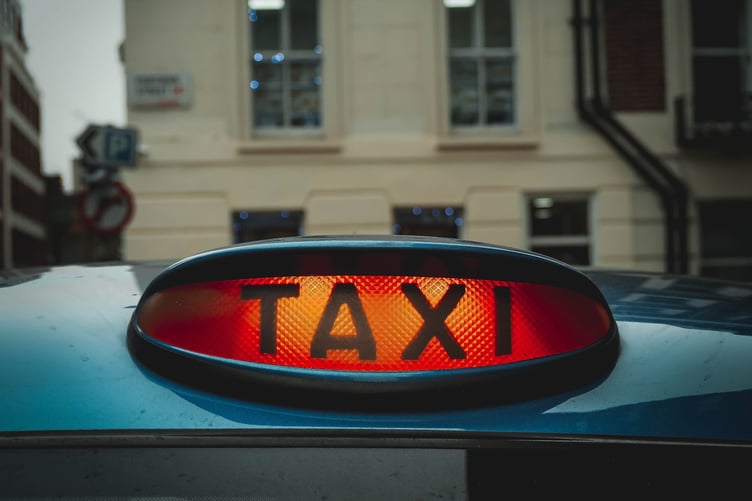
Taxi fares in Gwynedd could go up for the first time in four years.
Gwynedd Council will revise the maximum fares taxis can charge after requests from local operators.
The council has received three requests to raise the amounts. Maximum fares hadn’t changed since 2022.
At the next meeting of the General Licensing Committee, it is being asked to consider and approve new taxi fare rates.
If agreed the new fares will go into operation in Gwynedd from 1 October.
The rates are:
If the distance does not exceed one mile, for the whole distance, £4 – which represents a 40p rise on the 2022 figure of £3.60.
If the distance exceeds one mile; for the first mile, £3 and for each subsequent one-tenth of a mile or uncompleted part; 30p.
That means it is is £4, for the first mile, £3 for the second mile (first mile after the initial first mile), and 30p for each subsequent one-tenth of a mile (essentially a distance of more than two miles) which follows same structure as is currently in place.
Waiting times will be for each period of one minute or uncompleted part; 30p stays the same.



For hirings between 10pm and 7am, on any day or at any time on Bank Holidays, except Christmas Day and New Year’s Day, will see a 50 per cent increase on the above listed rates.
A 50 per cent increase proposed on listed rates will take effect from 10pm – under the present fares structure, the former 60 per cent increase only becomes effective as of midnight. It means a 24p increase is the starting point at the higher rate.
On Christmas Day and New Year’s Day, there is a 100% increase on the normal rate, the percentage remains the same, and for each person in excess of one, for the whole journey; 40p, carriage of animals; £1.20, guide dogs are free, and a fee of £120 for soiling the vehicle, which stays the same.
A council report noted that small and medium-sized businesses who employ workers had “faced an increase in costs such as national insurance and an increase in the minimum salary rate over recent years.
“This has undermined the ability of small businesses such as taxi companies to make a profit.
“The country’s economic situation over the last few months has seen a significant increase in fuel costs, particularly diesel due to the war in Iran.”
It also noted that projections stated that fuel costs would not fall in the near future.
Costs of appropriate insurance cover for licensed vehicles were also “high and of there were “annual costs attached to licensing a taxi vehicle and costs involved every three years with drivers’ licences”.
A council spokesperson said: “Following requests from local taxi operators, the council’s General Licensing Committee will consider a proposal to revise the maximum fares that can be charged by hackney carriage taxis in the county.
“This forms part of the council’s statutory responsibility to regulate maximum taxi fares, helping to protect passengers while supporting the continued provision of taxi services.
“The proposals have been developed in response to increased operating costs faced by the taxi industry, while also seeking to strike a fair balance between affordability for passengers and the need for operators to run sustainable businesses.
“A statutory public consultation has been undertaken alongside engagement with the taxi industry. While responses received from the trade supported the principle of reviewing fares, no objections were received during the public consultation period.
“The committee will now consider the outcome of the consultation at its meeting on 21 September.”
Comments
This article has no comments yet. Be the first to leave a comment.