

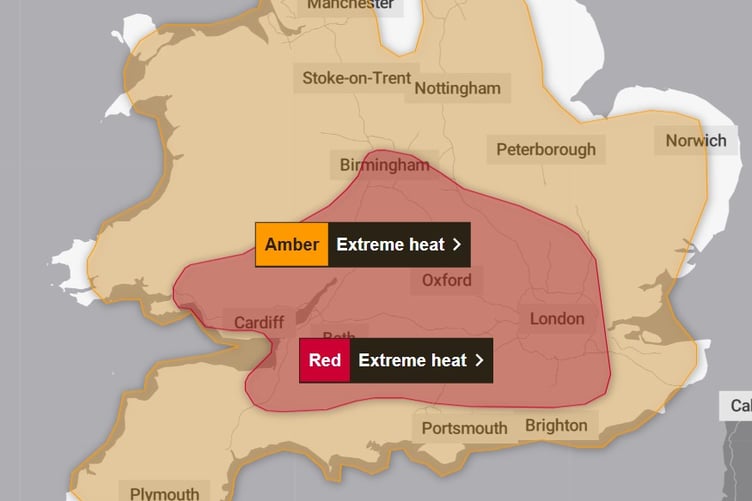
Trains may be cancelled on Wednesday and Thursday as west Wales braces for an amber warning for extreme heat.
Temperatures are widely expected to exceed 30 Celcius across most of Wales, with the mercury forecast to hit 35°C in Aberystwyth on Thursday.
A red warning is in place for parts of south Wales, with temperatures of 38°C possible.
As a result, Transport for Wales & Network Rail say significant disruption is likely on trains in south Wales and connecting trains between Shrewsbury and Birmingham from Aberystwyth.




The statement said: "Temperatures could reach up to 38°C, which is likely to cause significant disruption to train services.
"Extreme heat can affect tracks, overhead power lines and trains, meaning services may be delayed or cancelled at short notice, or may take longer than usual due to speed restrictions.
"Passengers are advised to take extra care when travelling. Please check your journey before setting off using our live map, app or website.
"Allow extra time as journeys may take longer than usual and bring plenty of water to stay hydrated. If you feel unwell, seek help from onboard or station staff.
"If you no longer wish to travel on Wednesday 24 or Thursday 25 June, your ticket can be used on Friday 26 June.
"If you choose not to travel, these tickets are eligible for a full refund from the point of purchase, as long as the claim is made before 23:59 on the day before the ticket’s date. You may also travel earlier than your scheduled travel time on these dates.
The warning adds that services may be cancelled in both directions between Shrewsbury (SHR) and Birmingham International (BHI).
Elsewhere, Ceredigion County Council is urging people to stay out of the sun during the hottest times of day on Wednesday and Thursday.
The council says: "Air conditioning systems are in place in the county’s Care Homes, Schools, Libraries, Offices and Leisure and Wellbeing Centres to help maintain comfortable environments.
"Schools: Pupils and staff are encouraged to stay hydrated, seek shade where possible and limit strenuous activity during the hottest periods of the day.
"Care homes: Family members of residents are encouraged to keep in contact with staff and help ensure residents are supported to stay cool and hydrated.
"Watch for heat-related symptoms: Hot weather can affect everyone’s health, and it is important to recognise the signs of heat exhaustion and heatstroke.
"With the Lloyds National Time Trial Championships taking place in Lampeter on Thursday 25 June, spectators are encouraged to plan ahead, stay in the shade where possible and drink plenty of water."
No plans are in place to close schools at present due to the hot weather, but the situation will be monitored.
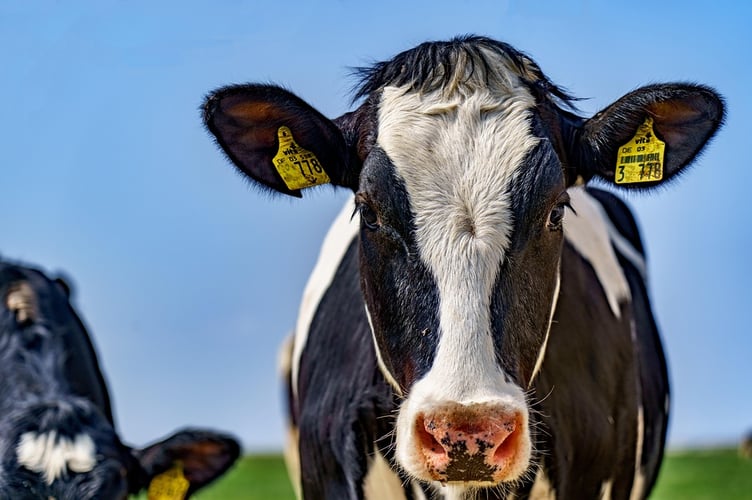
Livestock farmers are being urged to take action and prepare for the extreme heat.
The Animal and Plant Health Agency (APHA) has issued extreme hot weather warnings, urging livestock farmers to take proactive steps to mitigate heat stress, which can severely threaten animal welfare and productivity.
NFU Cymru is reminding members of the essential management steps to protect livestock during severe heatwaves:
Water Supply: Check water points daily; animals can double their water intake during extreme heat. Use extra troughs to avoid competition.
Housing & Shade: Ensure housed animals have adequate airflow by using fans and keeping buildings well ventilated. Provide outdoor livestock with natural or artificial shade.
Handling & Transport: Avoid moving or handling livestock unless absolutely necessary. When transport cannot be avoided, do it during the coolest parts of the day, reduce loading density by at least 30%, and maximize vehicle airflow.
Disease Prevention: Remain extremely vigilant for blowfly strike in sheep and metabolic diseases like CCN in cattle.
Rob Lewis, NFU Cymru Livestock Chair said: “With unprecedented day and night temperatures expected over most of Wales in the next few days, I urge all livestock keepers to follow the APHA guidelines mentioned above to protect the welfare and the well-being of their stock. In particular, avoid livestock moves during the hottest parts of the day.”
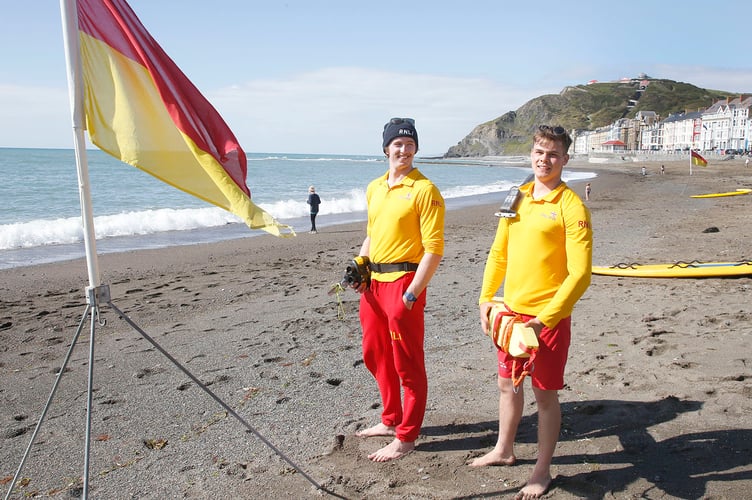
The RNLI is urging people heading to the region’s coastline to visit a lifeguarded beach and follow essential water safety advice that could save lives.
Offshore or partially offshore winds are forecast across sections of the Welsh coast for periods of the week, which increases the risk of inflatables and stand-up paddleboards being blown away from shore.
The RNLI is urging coastal visitors to be mindful of the risks as visitors are expected to flock to popular beaches and coastline across Wales.
The RNLI is also appealing to people to share its water safety advice with family and friends, particularly young people and teenagers, who accounted for the majority of drowning fatalities during the last heatwave.
And it was during the last heatwave that volunteer crew from Borth RNLI rescued a girl who’d drifted out to sea on her bodyboard and was unable to return to shore. The crew praised the girl for staying calm and remaining with her bodyboard, which helped her stay afloat until help arrived from the lifeboat.
The charity is reminding the public that the safest place to swim is at a lifeguarded beach and to always swim between the red and yellow flags.
A number of Welsh beaches across the Vale of Glamorgan, Bridgend, Swansea, Pembrokeshire, Ceredigion and Denbighshire are now lifeguarded full time.
The amber warning issued by the Met Office comes into force at midnight tonight and runs until the end of Thursday.
It reads: "Very hot weather will continue in general until at least Thursday across the highlighted region, although some variations from place to place and day by day are likely. Temperatures by day are widely expected to exceed 30 Celsius, with the hottest areas potentially peaking around 38-40 Celsius within the embedded red warning.
“Overnight, temperatures are unlikely to fall much lower than high teens Celsius, and some places will not fall below low 20s Celsius. These high temperatures will also be accompanied by high humidity.
“Cooler conditions may begin to become established from the west following this period, but confidence is low.”
Comments
This article has no comments yet. Be the first to leave a comment.