
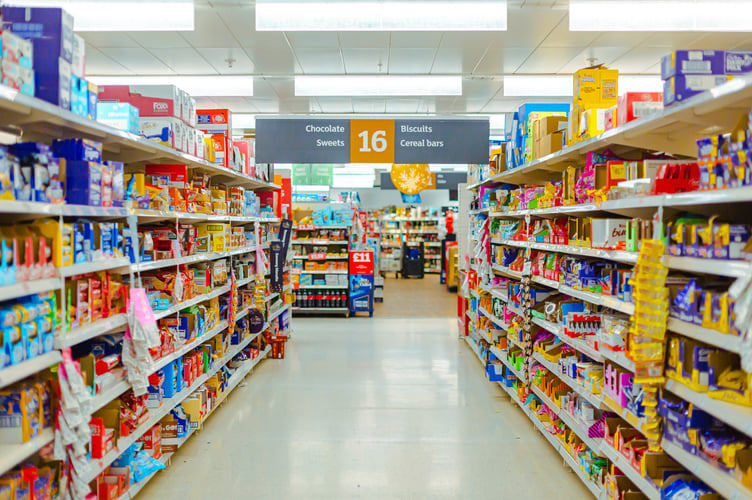
I wrote about resilience over a year ago. Lots of things have changed since then, many have worsened. What does resilience mean in different contexts?
I heard a programme the other day about preppers. These were UK preppers, not the US ones that some people might’ve heard of, people who stockpile food and guns in readiness for their version of the end of the world, no, sensible preppers who wish to be prepared for the kind of events we are unfortunately witnessing more and more, events such as flooding and storms with inevitable loss of electricity for days on end. These preppers store food too but enough for a few days or weeks, they have candles to hand, wind-up torches, battery packs, camping gas stoves, plenty of containers with clean water and maybe a wind-up radio. I realised the programme was describing me!

.png?width=209&height=140&crop=209:145,smart&quality=75)

The preppers on the radio explained they’re very much focussed on being prepared at community level. They know who the vulnerable people are in their neighbourhoods, they have telephone numbers ready and they know what task individuals are able to carry out when an emergency happens. I was impressed by their commitment and realised that of course we all had a taste of such living during the pandemic.
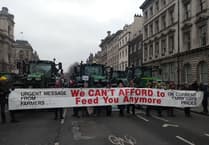
I’m a member of Garden Organic and their Heritage Seed Library. In their latest magazine the term resilience keeps cropping up too. Professor Tim Lang, President of Garden Organic, has written a report for the National Preparedness Commission. He argues that, “risks to food security haven’t been taken seriously enough in the UK.” His solutions are many but all involve growing more food locally, thereby having less reliance on the ‘Just in Time’ way of operating. He writes how he has been “struck by how people get the need to prepare for coming food shocks.” How about at Government level though?
The Heritage Seed Library is unique in that it’s a living library. As members we receive six packets of seeds every year. This year we’ve asked for lettuces, kale, pea-beans and carrots. Over the years we’ve saved French beans, runner beans, peas, tomatoes and peppers. These seeds have been selected by gardeners, often through generations, and have adapted to local circumstances. They are far more resilient as a result.
Growing your own is the best way to be prepared. Of course not everyone has a garden. Allotments are places where skills are shared and seeds swapped but they’re also good for the soul and for nature. According to the Ecohub in Aberystwyth, “There are always more people on waiting lists than there are plots available.” Can we create more of them please?
Most firms rely on complicated supply chains these days. One cyberattack can put a firm out of business for months or even bankrupt it. Other victims are smaller companies in the supply chain or the nearby café that loses footfall. The ‘Just in Time’ economy is showing its inherent failing; it takes just one weak link in the chain.
I’d like our local farmers to take this issue seriously as many rely far too much on imports of feed such as soya. Not only are these farmers exposed to price shocks but they also contribute towards deforestation in countries such as Brazil. Arguing for greater diversity in farming and less use of pesticides and artificial fertilisers, Professor Dan Bebber warns that in our warming world, “we’re heading towards crunch time, and we need to do things differently.” The worst culprits for soya imports are the chicken farms. Not resilient, polluting, cruel to the animals. How often do I have to expose them?
Comments
We've recently changed our login process. If you have an account for commenting, you will need to re-register on the login window.
This article has no comments yet. Be the first to leave a comment.