
When a friend asked recently if I could write about the UK Government’s ‘Be Ready’ campaign, I nodded in what I hoped looked like a sagely manner and said, ‘Yes, maybe’, before quickly changing the subject.
Despite keeping a keen eye on the news, the government’s campaign launch on 22 October passed me by…
I blame the build up to half-term. I was busy packing suitcases with clothes, not cupboards full of food ready for Armageddon, which a number of online commentators are predicting by the way.
I did some digging in a bid to find out more about the campaign for myself. The worldwide web sent me down many rabbit holes. I heard lots of what I hope are just conspiracy theories about the future of the planet, discovered Prime Minister Andy Burnham’s love of Twiglets (look it up), and learnt that my time in Brownies and Guides has not prepared me for the horrors that could be thrust upon us!
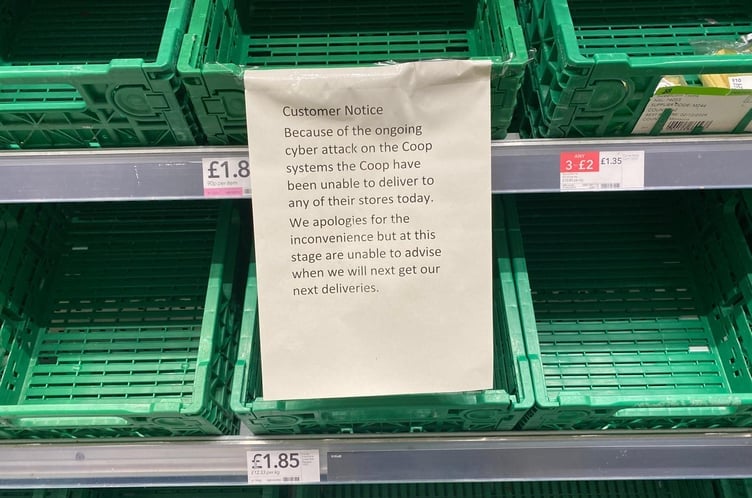
The government’s website delivers the ‘Be Ready’ campaign in a calm, straightforward manner, encouraging people to have enough essentials at home to last three days in case severe weather (worrying) or cyber attacks (rather more worrying?) disrupt services we rely on.
The government’s ‘Be Ready checklist’ simply helps us to help others, their website explains.
“Being ready for three days helps you manage while support reaches those most in need.
“Doing this is easier than you might think. You could have some of the items at home already.
“You don’t need to do it all at once. Build up your readiness gradually over time by taking it step by step, and picking up an extra item or two when you can.”
Subtext? Don’t go panic buying toilet roll like many did during Covid.




After checking your cupboards to see what essentials you already have, you should note down the things you still need (I have no idea), “remembering items your family relies on, such as medical supplies, baby formula or pet food”, and picking up “missing items when you can during your regular shopping trips to help spread the cost”.
“Set a reminder every six months to check expiry dates and swap out items that need replacing, or update your kit if your household’s needs have changed,” the website adds.
Talking to neighbours is recommended to discover “what extra support you might be able to share during an outage, and swap contact details”.
Then the website presents the checklist of essential items we should buy (Phew!).
Top of the list is enough water for three days, which they equate to three litres per person, per day, for drinking.
“More would be needed for other tasks such as cooking and washing,” it adds.
I am not sure why the government has landed on three days but hopefully they’re right and that will be enough, so I’ve added it to my shopping list.
Next is enough non-perishable food to last three days, like tinned meat, fish or vegetables, dried fruit and nuts.
For hygiene reasons hand sanitiser, wet wipes and bathroom products are listed, and for heat and warmth there’s torches – safer than candles – and blankets, sleeping bags and warm clothing.
A wind up or battery operated FM radio is needed for news updates during outages, so “write down frequencies of any national or local radio stations you use for news”.
A charged power bank to charge phones or compatible medical devices, and a mix of coins and banknotes as well as cards “in case electronic payments or ATMs are disrupted” are also listed.
“The amount of cash you should keep depends on your family’s specific needs for essentials,” the website states.
Printed copies of IDs/documents such as passports, birth certificates, insurance policy details and instructions for any medical equipment you rely on are also needed.
Important phone numbers and information should be written down in case you need to contact someone in an emergency, as well as a list of any regular medication and doses.
The checklist also includes first aid items such as waterproof plasters, bandages, a thermometer, antiseptic, eyewash solution, sterile dressings and gloves, medical tape for dressings, and tweezers.
It advises people to leave enough time to request repeat prescriptions and to have baby formula, nappies and wipes, and enough food and water for pets, if applicable to your home.
So, to prep or not to prep? That is the question.
After reading more about the ‘Be Ready’ campaign, I want to run to the shops right now and buy all of the above and some. But then I remember we are also living through a cost of living crisis and I can’t afford to...
It’s hard enough filling cupboards most days, without the added expense of wind-up radios, first aid kits and bottled water. I’ve just paid over £95 for a tank of diesel for the car, and I need to fork out over £1,000 for heating oil, but I keep piling on the jumpers and blankets and putting that expense off for as long as possible.
So, prepping will have to wait until pay day. Hopefully nothing untoward will happen before then, but, ideally, it won’t happen at all.

Comments
We've recently changed our login process. If you have an account for commenting, you will need to re-register on the login window.
This article has no comments yet. Be the first to leave a comment.