
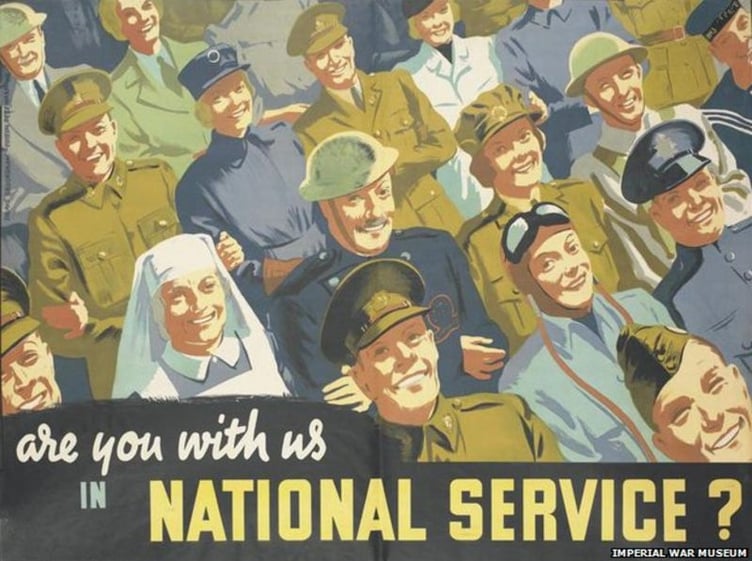
This week’s this publication carries a heart-warming feature on some National Service veterans who look back at their time together. To a man, they say the experience changed them for the better, made them grow up, changed their outlook and instilled pride and purpose.
So it it time we reconsidered National Service?
The idea is controversial, and rightly so. Any discussion of a modern form of national service raises concerns about personal freedom, cost and practicality. Yet at a time when many young people feel disconnected from their communities, institutions and even from each other, it is a conversation worth having.
Calls for a form of national service often provoke images of military drills and compulsory uniforms. But any modern version should be far broader than that. The real question is whether we can create opportunities that help young people gain skills, confidence and a stronger sense of belonging while giving something back to society.
Across the UK, employers regularly speak of skills shortages. Communities struggle to recruit volunteers. Public services face increasing pressures. At the same time, many young people leave school uncertain about their future, isolated by social media and lacking opportunities to build real-world experience.
A national service-type programme could help bridge those gaps.
Participants could spend several months working in areas such as environmental conservation, care services, community projects, emergency response, heritage restoration or mentoring younger children. They would gain practical experience, learn teamwork and develop a deeper understanding of the communities in which they live.
It might even get them off their screens.
The benefits could be especially significant in rural areas such as west Wales, where opportunities are often more limited and where community organisations frequently rely on ageing volunteer bases. A structured scheme could help younger generations build local connections while contributing to projects that genuinely matter.
But if we are serious about tackling social disconnection, improving skills and strengthening communities, then a modern national service programme deserves serious consideration. Investing in young people has always been one of the safest bets a society can make. The greater risk may be doing nothing at all.



At least let’s start a debate.
Comments
We've recently changed our login process. If you have an account for commenting, you will need to re-register on the login window.
This article has no comments yet. Be the first to leave a comment.