
Mid Wales groups have identified an “irrefutable need” for skills development to help Powys businesses respond to the economic shift towards a more sustainable future.
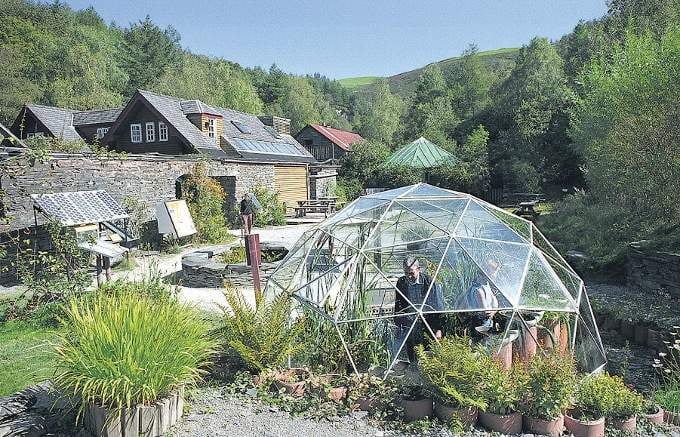
A Sustainable Skills Partnership, led by Mid Wales Manufacturing Group (MWMG) and comprising the Centre for Alternative Technology (pictured), NPTC Group of Colleges, Black Mountains College, and a group of social enterprises in North Powys, commissioned research into developing new ways of working together to help drive forward the provision of sustainable skills within the region.
Researchers from Wavehill looked at existing gaps and opportunities for interventions, identifying these in industries such as construction and agriculture.
In construction, house retrofitting will increase as existing housing stock is updated to keep people affordably warm.
_cropped.jpeg?width=209&height=140&crop=209:145,smart&quality=75)



In agriculture, the focus will be on managing soil to hold more carbon and water to help improve productivity whilst suppressing flooding downstream or sequestering carbon.
A practical Sustainable Skills Cluster in Powys is recommended, one that would connect leading practitioners in each industry with educational establishments. Between them, they would provide formal modules in relevant green skills as in-work training or as full-time or part-time qualifications.
Project lead for MWMG Adam Kennerly said: “The evidence presented by the research demonstrates that there is an irrefutable need for skills development to respond to the economic shift towards a more sustainable future.
“This is recognised by businesses surveyed in Powys and it will be important for training providers across Wales and the UK to develop courses and modules that respond to this shift.”
Many businesses currently travel outside of Powys to access specific training and having home grown skills training would keep wealth and opportunity locally.
Some of these skills, such as external wall insulation or natural flood management, are not yet commercially imperative for businesses, but soon will be.
Adam added: “A Sustainable Skills Partnership would help Powys to be prepared and to take maximum advantage of a shift in the rural economy following Brexit and in preparation for going zero carbon.
“Courses should be tailored to the needs of businesses both now and in the future.”
An ambition for the Sustainable Skill Partnership should be to better connect mainstream training providers, such as NPTC Group of Colleges, to sustainability professionals from within existing Powys businesses as well as experts from the likes of CAT, Black Mountains College and others.
Comments
This article has no comments yet. Be the first to leave a comment.