
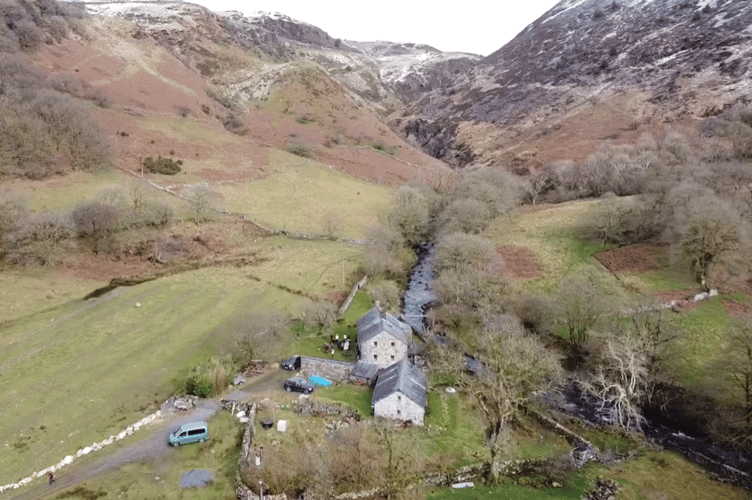
In June, Eryri National Park planning committee made a controversial decision.
Some were surprised by the decision, from the authority whose job it is to protect the natural beauty of the park, to permit a hydroscheme to be installed in the historic Cwm Cynfal waterfall.
Campaigners argue the decision to approve the hydroscheme in an SSSI and SAC-protected area could have damning consequences for protected sites across the country.
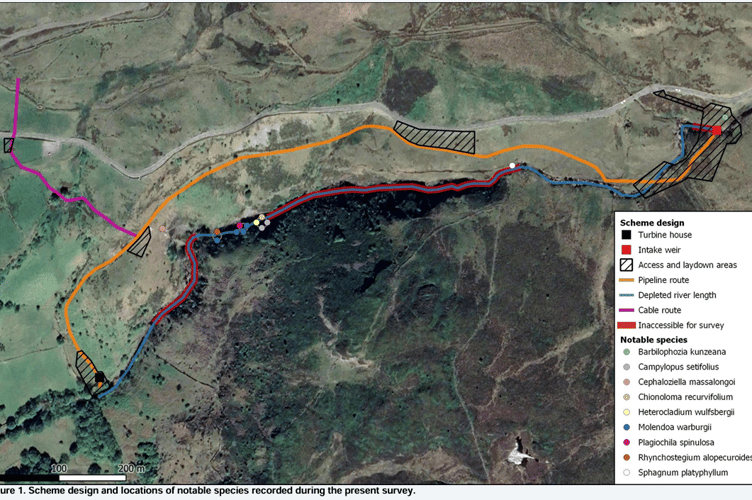
The planning applicants, three farming brothers, Dafydd Elis, Elis Dafydd and Moi Dafydd, who own the land, are to install a hydroelectric scheme harnessing the power of the waterfall to create up to 600kW of electricity, powering up to 700 homes.
They defend their plans as supporting Wales’ ambitious goals to reduce carbon emissions by increasing renewable energy sources.
However the fight is not over yet, say campaigners, who heavily hint that an appeal is in the works.
This battle between the green energy transition and green-fingered conservationists is far from unique.
The argument echoes across Wales as sites for green energy sources are earmarked, both on and off protected landscapes.
The Cwm Cynfal plans are incomparable to the schemes brought by large companies such as Bute Energy, proposing to build large-scale wind farms on land with precious carbon-storing peat, such as their proposal for Esgair Galed Energy Park near Glaslyn Nature Reserve and Hafren Forest.
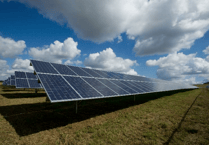
This proposal would dig up peat on the protected landscape to build huge concrete bases for 26 wind turbines for profits that would go to the private company, majority-owned by Scottish property developer Oliver Millican.
These projects would send the electricity into the National Grid to be dispersed across the UK, setting aside a small percentage of profits for local community use.
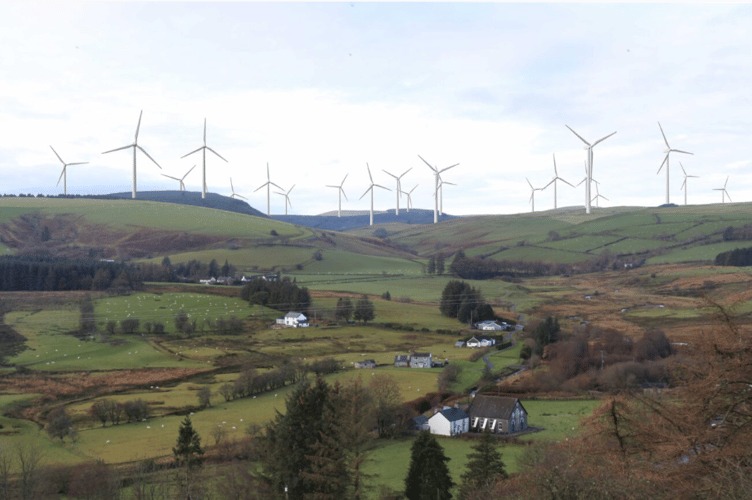
Though the Esgair Galed Energy Park would generate enough energy to displace approximately 266,000 tonnes of CO2 each year, going a long way to save the precious environments campaigners are trying to protect, it would also cause significant harm to the landscape and peat which is incredibly hard to restore.
Campaigners argue there’s plenty of places already earmarked for wind farms by the government - that green energy should not be pursued at any cost.
The Cwm Cynfal scheme cannot be compared to this David versus Goliath battle of community versus rich, well-resourced company.
The three brothers farm on their parents' land in Bala and graze sheep on Cwm Cynfal near Llan Ffestiniog in the summer.
Compared to Esgair Galed Energy Park, the hydroscheme is tiny, producing enough energy to power just 0.4 per cent of the 179,000 homes Bute estimates Esgair could power.
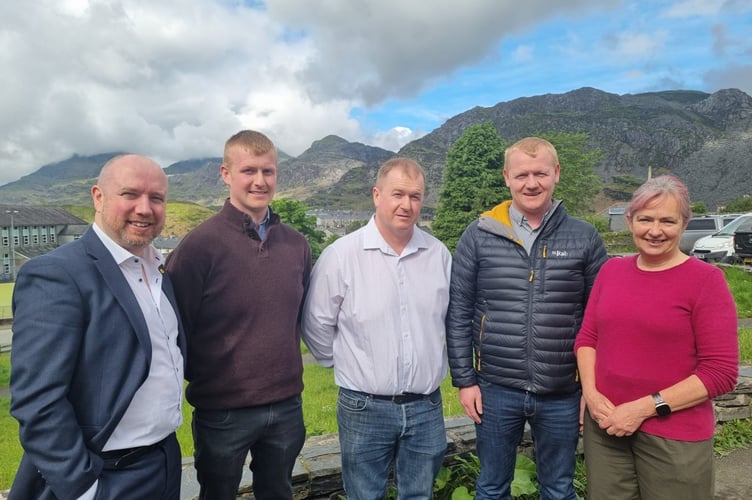
The brothers see this comparison. Moi, 35, said: “The last thing we want to do is damage the land.
“We’re farmers, not developers that will go away...
“Farmers are being encouraged to diversify to help the environment.
“We’re trying to do our part as farmers.
“[Opponents] ideology is to keep the park untouched.
“They need to realise it’s a living landscape where farmers are trying to make a living.”
Last year a report found UK farmers’ incomes have been stagnant since the 1970s, driven by drops in prices for farm produce as international food imports have become the norm and supermarkets controlling prices by becoming the main source of food.
The report from the Food, Farming and Countryside Commission found the average annual income for a farmer was £32,272 - when adjusted for inflation, this is the same level as the mid-70s.
If this is the case for the brothers, it's not surprising they want to take advantage of the natural resources on their land.
The trio have also confirmed they still plan to connect the scheme to an Energy Local Club, which would allow residents to directly benefit from the energy produced by the scheme.
Currently, power is sold to the National Grid at a lower price and sold to customers at higher rates - Energy Local Clubs operate based on an agreed tariff that would be beneficial to both the brothers and residents.
But, as good for the environment as producing clean energy is, it may not be good for Cwm Cynfal.
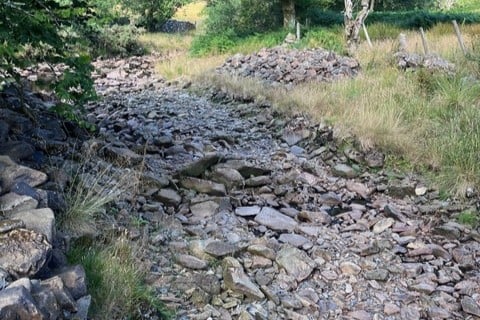
Since the application was approved on 24 June, Afon Cynfal has dried to a piddle due to the severe lack of rainfall (less than 2 per cent) which has sent Gwynedd into drought status.
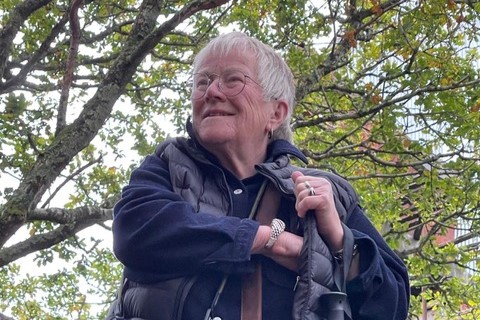
The closest neighbour to the gorge, Pat Thynne, said the climate change that is causing the increasingly hot summers may make their plans redundant.
The works include digging a 1.2km pipline, build a weir, two buildings and extraction pond through a site of “considerable historic interest” including 24 archaeological areas.
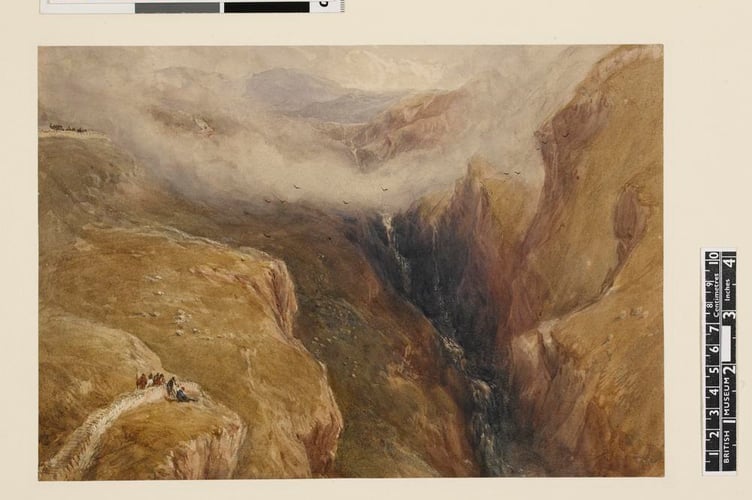
The gorge has been significant for centuries, not just for protected species of bryophytes which environmentalists argue could be affected by the reduction of water flow above a cap, but for children who play in it, visitors who walk it, fishermen, artists and legend-makers.
Joe Hope, farmer and ecologist from Machynlleth, regularly visited as a child: “I came to understand how it was part of a mythic landscape; the Cynfal and Llyn Morwynion are settings for the Mabinogion, where magical hero Llew Llaw Gyffes is married to and betrayed by Blodeuwedd, a bride conjured up from flowers.
“To me, I felt I could still feel the magic in the place.
“I feel strongly that developing renewable energy is essential for society, but there are a few places that feel too special to me to impose limitations on water flow.
“Either because they support populations of moisture-loving plants and fungi that thrive on the spray zone of waterfalls, or because they're a local landmark that contributes to the special character of an area.”
Cymdeithas Eryri described the “wholly unexceptional” amount of electricity generated by the scheme doesn’t justify the harm done, “risking the very things that make a waterfall a waterfall - the sight, the sound, and the sensation of a torrent of rushing water.”
With many hoops to jump through before ground can break and an impending appeal, this fight is far from over.
Comments
This article has no comments yet. Be the first to leave a comment.