

Polling has shown that the state of dentistry in Wales has become a hot topic on the doorstep as election campaigns come to a close, with the British Dental Association warning parties “that whoever forms the next government of Wales must act on voter concerns and ensure the survival of NHS dentistry.”
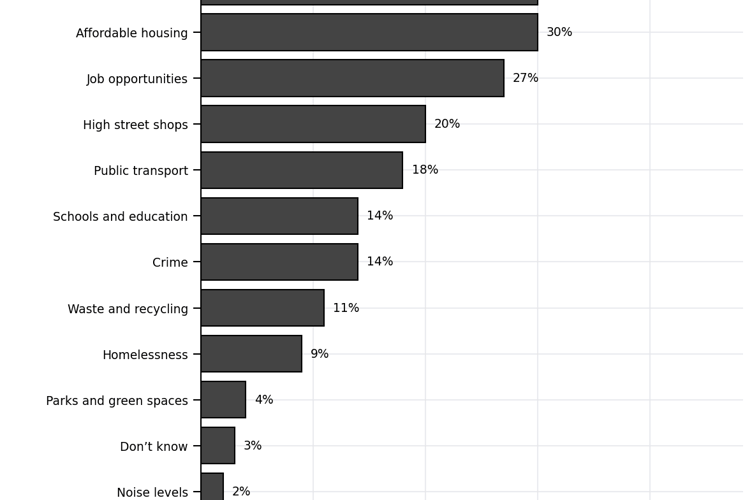
New polling from YouGov shows that dentistry is now a top tier doorstep issue in Wales (30 per cent rank it as the most important issue) – ahead of crime (14 per cent), education (14 per cent) and even job opportunities (27 per cent) as the most important issue in a local area.
The British Dental Association (BDA) said the figures show that the “current chaos” of dental care is “making the service a core doorstep issue in the coming election.”
The Cambrian News has reported extensively on the dentistry issues facing residents across mid and north Wales with many struggling to find an NHS dentist to go to, regardless of fees, as many practices have lost their NHS dentists or are unable to recruit more whilst some practices have returned their NHS contracts altogether.




Taking into account all the different priorities facing the country, the YouGov polling shows that 79 per cent of Welsh people say the Welsh Government should be doing more on dentistry.
Only 11 per cent believe they are doing all they reasonably can.
Estimated unmet need for NHS dentistry stands at one third of the adult population, with 20 per cent saying they were unable to secure an appointment in the last two years, and a further 13 per cent having effectively given up trying, assuming they would be unable to get one.
The BDA says the figures “make Wales arguably the worst place in Britain to be an NHS dental patient.”
Recent polling places levels of unmet need in Scotland at one in five of Scotland’s adult population, with official data placing it at around one in four in England.
The BDA has set out its own manifesto at what it describes as a ‘make or break’ moment for the service in Wales, after reforms were pushed through the Senedd and into law on 1 April.
The then-Labour Welsh Government introduced a new NHS general dental services contract which removed the traditional Unit of Dental Activity (UDA) system, focusing instead on tailored patient care, a streamlined 50 per cent treatment charge cap, and increased NHS payments to practices to tackle the dentistry access crisis.
Key changes included a cap on patient charges at £384, increased payments for dentists rising to £150 per hour, and mandatory urgent care slots.
While the Welsh Government said the “new contract is the result of extensive negotiations and development work”, the BDA says that a safety net is “now needed to make these reforms sustainable for struggling practices”, including a “pause on implementation until 2027 while a package of needed improvements is worked up.”
The BDA said the reforms were a “ham-fisted approach” from the Government and that the rollout “has already seen practices across Wales return NHS contracts or reduce their overall NHS commitment.”
The BDA said it is also seeking a “decisive break from chronic underfunding”, along with “protections for the most vulnerable patients in Wales”, and a” wholesale change of tone from a new administration.”
“The deal currently with the Senedd is not a negotiated contract, with any meaningful dialogue over the final package ending over 16 months ago,” the BDA said.
At the time, Jeremy Miles, the-then Cabinet Secretary for Health and Social Care, described the package of reforms to dentistry in Wales as the "biggest change in nearly 20 years."
In manifestos released ahead of the Senedd election, Plaid Cymru said it will “re-examine the contract for NHS dentistry”, and “introduce a new duty for health boards to assess local dentistry needs and take all reasonable steps to secure and maintain sufficient dental staffing levels to meet those needs.”
It also backed Bangor and Aberystwyth Universities’ proposal to open a new Dental School.
Reform UK also backed the new dental school in its manifesto and said that “NHS dentistry in Wales is in crisis.”
“Patients face long waits or no appointments at all.
“Dentists are overworked, underpaid, and many refuse NHS patients because contracts do not cover the real cost of running a modern practice.
“Contract redesign and retention are necessary to fix dental deserts.”
The party said it would “replace the existing NHS dental contract so NHS provision is financially viable and retention improves” and “introduce targeted recruitment incentives for NHS dentists where access is weakest.”
Welsh Labour said it would keep the current contract voted on when the party was in Government but “improve access to NHS dentistry by making more appointments available through the new contract.”
The party also backed plans for the new dental school.
The Welsh Conservatives Senedd election manifesto said the party would “ensure that everyone in Wales can access an annual check-up with an NHS dentist” and would “work with stakeholders to develop a new dental contract to improve access to NHS dentistry for patients across Wales and make NHS dentistry attractive for healthcare professionals.”
The Conservatives also backed plans for the North Wales dental school.
The Green Party said that it would “increase funding for dental services, reform funding formulas to reflect community need, and expand NHS dentistry.”
The Welsh Liberal Democrat manifesto says the party will “guarantee access to an NHS dentist for everyone needing urgent and emergency care - ending DIY dentistry and ‘dental deserts’.”
Bangor and Aberystwyth Universities developed an initial joint proposal for the Welsh Government to establish a new Dental School at the end of last year.
Working with the health boards and Cardiff University, the aim of the high-level plan is to create new dental training opportunities, addressing the need for enhanced dental education and services in north and mid Wales.
The School would involve establishing dental education centres across the two regions, managed by both universities.
The plan is to focus on the needs of primary and community dental care across rural and semi-rural Wales.
While that plan should hopefully boost the chances of training and retaining dentists to work in mid and north Wales, the BDA said that long-term structural reform Wales-wide is needed to end the ‘crisis’.
Russell Gidney, Chair of the BDA’s Welsh General Dental Practice Committee, said: “NHS dentistry in Wales was already in crisis, and without decisive action things are set to go from bad to worse.
“Untested reforms have already seen many dentists walk away from the NHS.
“Whoever forms the next government will need a plan to guarantee the future of this service.
“For voters facing access and cost of living crises dentistry matters.
“Political choices mean it is now a real concern on the doorstep - polling ahead of crime, education and even jobs as a top-flight issue facing Wales.
“Our message to all candidates and all parties is very clear: dentistry is on the ballot paper in this election.
“And the public will measure how you choose to respond.
“This is a service millions of voters depend on.
“Meaningful action will be rewarded.
“Complacency will be punished.”
Comments
This article has no comments yet. Be the first to leave a comment.