
One former slate mining town is buying up its high street and giving it back to its youth.
Rugby officer Joseff Edwards said he was “struck” by the number of young people on the streets in Blaenau Ffestiniog late in the dead of winter - asked where they were going, they would say “maybe the quarry” or “Co-op”.
“When they have nowhere to go, that’s when problems arise”, said Joseff.
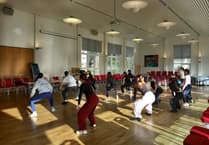
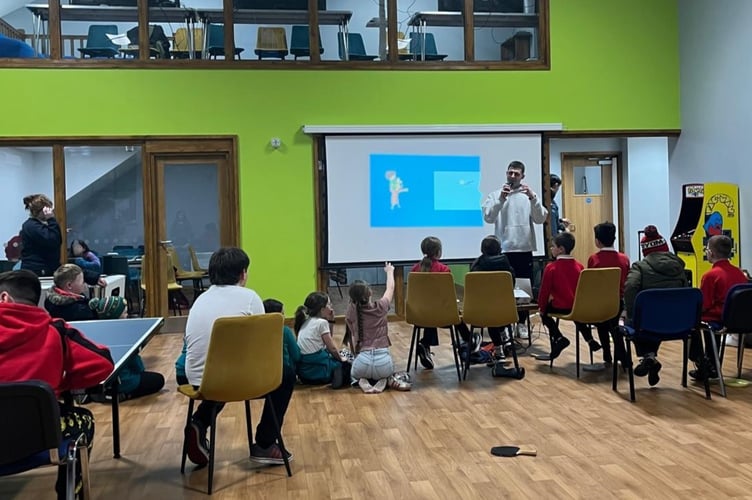
In 2022, the 30-year-old from nearby Bala set up a youth club to give the young people of Blaenau a place to go, and this January, the club moved into a new dedicated space, Yr Aelwyd - and it’s already making a huge impact.
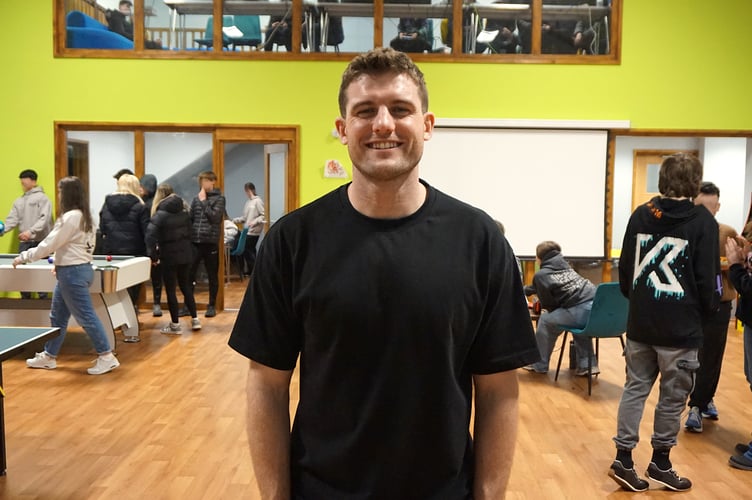
Kacey, 16, has been attending CIC (Clwb Ieuenctid Cristnogol - Christian Youth Club) since she was 12: “I was getting into fights and in trouble with the police, but since I’ve been coming here, I haven’t. It’s nice not having the police at my door.
“Yr Aelwyd is a safe environment for us to come and chill, it saves us being home arguing with our parents.”
Joseff said the new central location is pulling in more young people than ever: “Since moving, we’ve attracted 80-100 regularly - it’s really encouraging and shows the need.
“We’d seen a drop off of the older lads, but now they’ve come back. It’s warm, bright, welcoming, it communicates value to them, and they don’t often get that.”
North Wales Police recently awarded CIC a grant in recognition of their work.
While many towns in north Wales are blighted by second home-ownership, Blaenau, with 392 second homes and less than 4,000 residents, is changing the tide for itself.
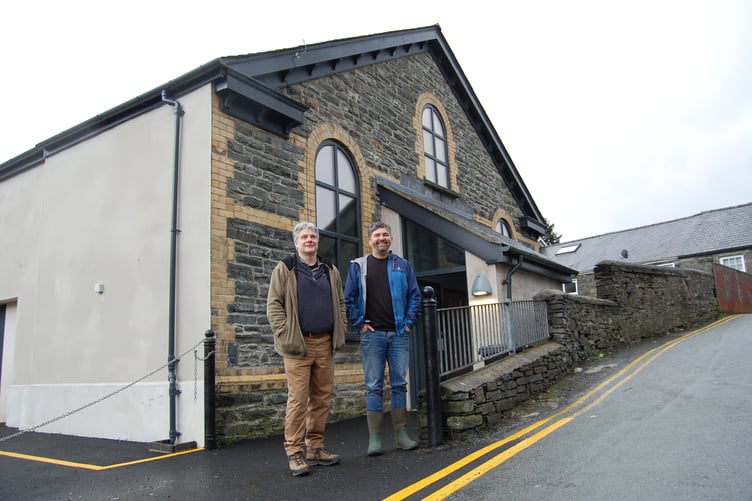
Yr Aelwyd is the latest in a string of properties bought and upgraded to a high standard by the community.
Once the part of Wales that ‘roofed the world’, words like ‘deprivation’ are used to describe the area rich in natural resources, which have been used to make profits elsewhere, from slate to hydropower to tourism.
Ceri Cunnington, development worker for social enterprise Cwmni Bro Ffestiniog, said in the face of this historic extraction, “we should be one of the richest towns in the world… Culturally, we are.”
Sitting in the very centre of Eryri National Park, the slate quarries tower over the town where locals are proud of their roots, but the face of the high street was changing as buildings sat empty, at risk of foreign investment.
In 2007, the community began a mission to keep ownership and profits local, harnessing money from tourism by building a community-owned mountain bike park, Antur Stiniog.
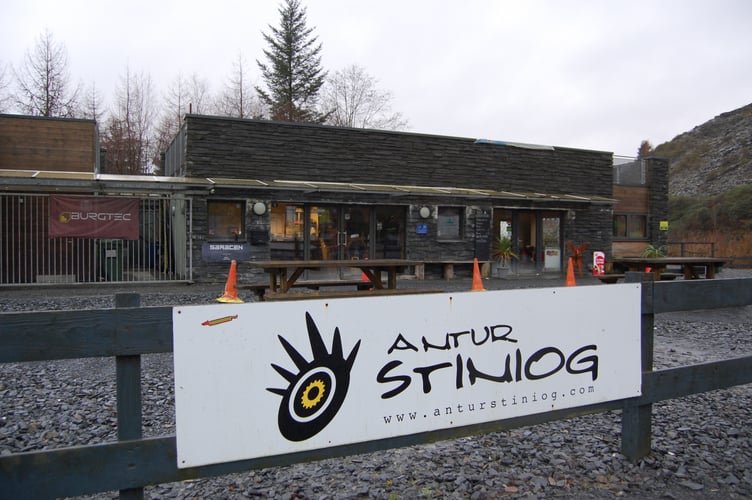
The bike park income, plus grants and loans, is used to buy empty properties, make them warm, energy-efficient, and give them back to the community as business units with reasonable leases and affordable accommodation above, so young people can both afford to stay and make a living.
Using the bike park and rent income, this circular economy has brought into community ownership a cafe and tourism centre, a fish and chip shop, a hardware store, rented offices with flats above and a youth centre, with two more buildings currently undergoing renovations.
Ceri said: “Seeing the lights on and hearing the noise of 105 children enjoying the space is what it's all about.
“This project is about giving young people their rightful space to be part of the community… hopefully it gives them a sense of purpose and the idea that we do care.”
Yr Aelwyd was suffering from damp and mould, becoming expensive to heat. Antur Stiniog gained UK government funding through Cyngor Gwynedd Council to upgrade the old Urdd building with insulation, triple glazing, and an air-tight membrane, creating a warm space with the help of energy efficiency consultant, Elfed Lewis.
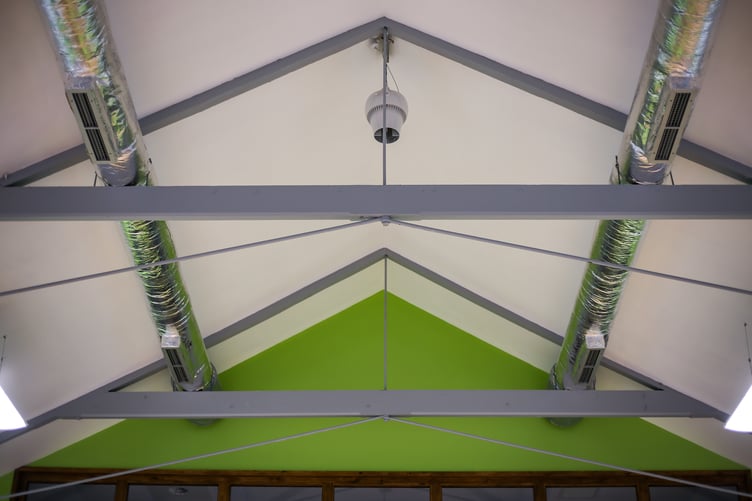
The upgrades also made it cheap to run thanks to solar panels, air-source heat pumps and a ventilation heat recovery system, which uses a heat exchanger to extract 90 per cent of the heat in the outgoing air, meaning incoming air only needs to be heated up 10 per cent.
The building has now become an asset to the town, with the potential to become a warm hub in winter and a cool hub in summer, using up to 75 per cent less energy, and playing a role in the community’s resilience against poverty in the face of rising energy bills and climate change.
Efled said this work is crucial to reducing future maintenance costs and keeping running costs low: “There are often grants to upgrade community buildings, but it's rare to get a grant to run one.
“If you’re renovating a building, make the running costs as low as possible so the community can afford to run it.
“You can get money to make the building look nice, but if you can’t heat it, no one's going to want to come.”
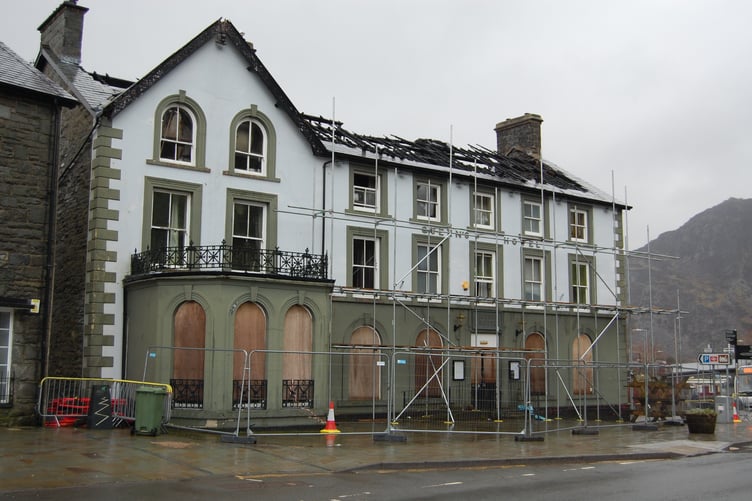
Along the high street, there are still shuttered windows and the husk of a hotel recently blighted by fire, but there are also lights on at a non-profit cinema, hostel and performance space, a hotel run by people with disabilities, a community-owned pub, along with a homeless youth charity, a community-owned electric car club, an environmental and social wellbeing group, a support centre and food bank, and an opera company, collectively employing over 200 people with community assets worth £5m.
Ceri, whose Cwmni Bro unites these enterprises, said: “Old economic models have failed us - we’re taking ownership and redefining what a high street means, looking at it as a whole.
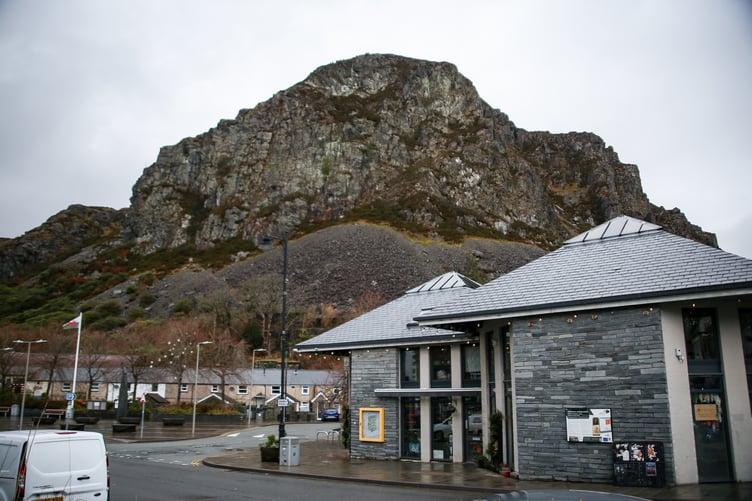
“We now have the highest density of social enterprises throughout the UK.
“The whole idea is working together, sharing resources, expertise and putting pressure where it’s needed.”
Blaenau Ffestiniog may still be ‘poor’, ranked high in the Welsh Index of Multiple Deprivation, but for those in community-building circles, Blaenau has become synonymous with people power.
And their efforts to instil belonging in their youth are working, said Kacey: “Yr Aelwyd is practically our second home - we’re a family, all together.
“Everyone cares, not just about the building but the people.”
Comments
This article has no comments yet. Be the first to leave a comment.