

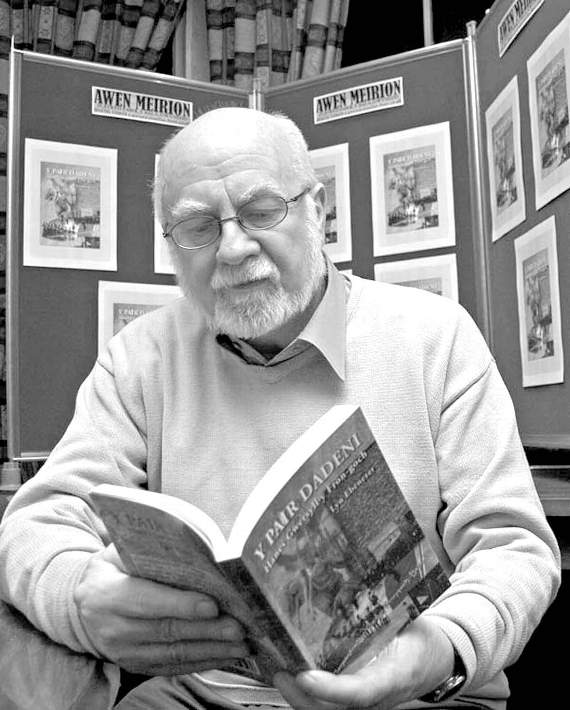
Author and broadcaster, Lyn Ebenezer, explores the history of Fron-goch from a Welsh perspective
THE centenary of the 1916 Easter Rising in Dublin has already been commemorated but on the 10th of June a special commemoration will be held in the Bala area recalling the internment of over 1,800 Irish Republicans arrested following the Rising. Events at both Bala and Fron-goch will attract hundreds of visitors, many from Ireland.
Following the surrender after six days of fighting, some 3,500 Republicans were arrested. Of these, some 2,500 were deported to English and Scottish prisons where they were further interrogated. Some were released but others, 1,863 were sent by train to Fron-goch Camp, double the population of Bala.
The rest, regarded as the hard core, remained in prison.


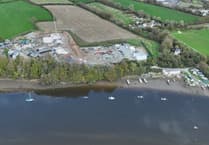
Already utilised as a holding camp for German POWs it was two camps in one. The South Camp was a disused whisky distillery while the adjoining North Camp was a collection of 30 wooden huts.
Unlike the great majority of Welsh people who, like the population of Britain in general bitterly opposed the Republican ideal, it seems that local people who worked at the camp were very sympathetic. The Irish, in turn, were inspired by hearing them speak their native tongue while many of the internees had abandoned their language.
The decision to throw together so many Republicans is regarded as one of the British Government’s biggest mistake in its dealings with Ireland, second only to the execution of 15 Republican leaders of the Rising. With the Home Rule Bill having been postponed at the outbreak of the Great War, Republicans - faced with an armed Ulster Volunteer Force fiercely opposed to Irish Home Rule - decided to strike. Among those arrested following the Rising were up to 300 who had not taken any part in the fighting. These were soon radicalised by those who had taken up arms.
The internees took over the running of the camp.
Under the very noses of the guards they organised a curriculum that included military tactics. It was at Fron-goch Camp that guerrilla tactics used by the Boers were refined.
Those tactics would later be utilised by guerrilla activists world-wide, including leaders like Tito and Mao, Grivas and Makarios, Che Guevara and Castro, Menachem Begin and Yitzak Shamir, Ho Chi and Minn and Nelson Mandela.
See the full story in this week’s Meirionnydd edition of the Cambrian News
Comments
This article has no comments yet. Be the first to leave a comment.