
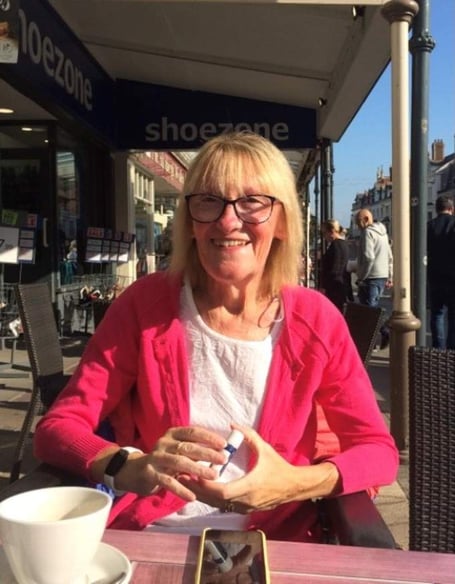
A Cardigan woman, who lives with with a rare muscle-wasting condition, has been “forgotten about” during pandemic.
56-year-old Nicola Davies, who has limb girdle muscular dystrophy, has spoken out about the devastating impact the Covid-19 pandemic which has left her struggling to cope.
Nicola is classed as clinically extremely vulnerable because of her rare and progressive muscle-wasting condition, and has experienced huge disruptions to vital care and medical appointments amid the pandemic.
“My life changed forever when Covid-19 happened,” Nicola said.



.png?width=209&height=140&crop=209:145,smart&quality=75)
“I’ve been left stuck in the house and I’m too scared to do anything anymore. I used to be on the go all the time, but my breathing has significantly deteriorated.
“It means I’ve had to stop singing, which was one of the greatest pleasures I had in life. I lost my mum to the virus earlier this year and I’m terrified that my husband or a carer will catch Covid and pass it to me, especially as cases are rising again in my area.
“My care has been severely disrupted during the pandemic and it’s made an already terrible situation much, much worse.”
Last week, on Wednesday, 10 November, Muscular Dystrophy UK presented vital findings before a Cross Party Parliamentary Group in Wales, following a landmark survey conducted earlier this year that asked people about their experiences of the pandemic.
The report, ‘Shining a Light on the Impact of Covid-19’, revealed how the pandemic has affected people living with a muscle-wasting condition in Wales, as well as exposing the pre-existing gaps in neuromuscular services. The report highlights priority areas to strengthen neuromuscular care going forwards.
Key findings from the report found the main issues affecting the 3,400 people living with muscle-wasting conditions in Wales were lockdown and shielding negatively impacting people’s physical and mental health, reduced access to family carers or care workers due to lockdown or shielding, an disruption and delays to accessing specialist muscle clinical appointments due to Covid-19.
The report reveals there is no resilient neuromuscular healthcare structure, meaning the neuromuscular workforce is overstretched and under resourced, compromising on vital care, coordination and management, which has been greatly exacerbated during the pandemic.
Muscular Dystrophy UK is calling for the formalising the Wales Neuromuscular Network and the appointment of an NHS-funded network manager, the allocation of sustainable and consistent funding for neuromuscular services to accurately reflect the care needs of the neuromuscular population, increased investment in the specialist neuromuscular teams with more neuromuscular consultants, physiotherapist, nurse specialist, psychologists, and care advisors, and an increased number of neuromuscular trained staff within community services who can bridge the gap between specialist neuromuscular teams in the Central Belt and their local areas.
Comments
This article has no comments yet. Be the first to leave a comment.