
“IT’S really been the darkest time of our lives”, an Aberystwyth family’s search for a stem cell donor for their seven-year-old son.
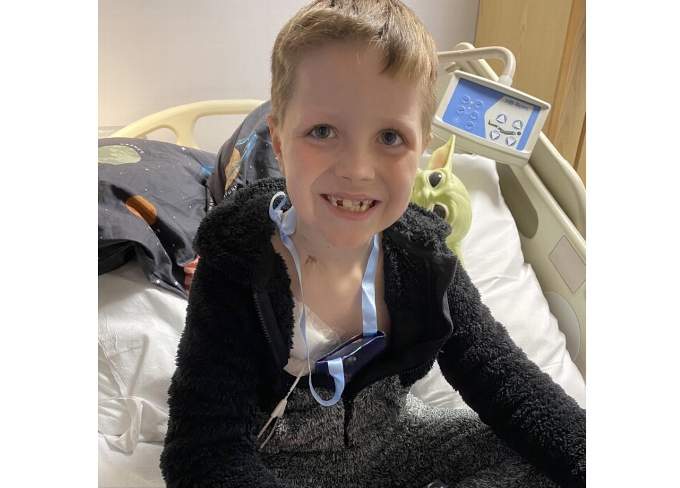
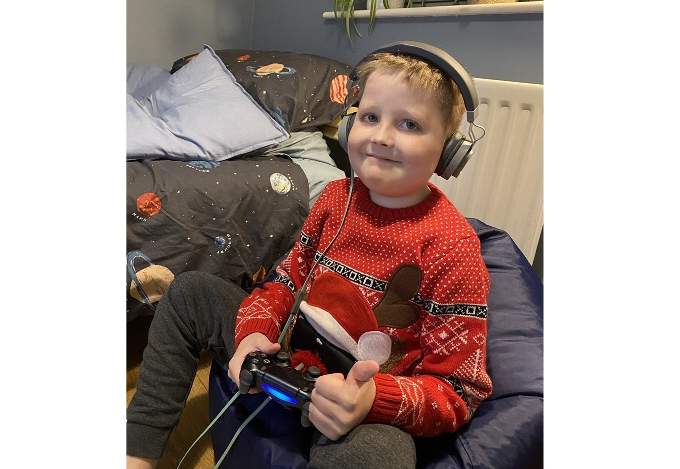
Rufus Palmer, 7, relapsed with leukaemia on 3 November, after recovering only 18 months ago.
Now Rufus’ parents, Rosie and Tom Palmer, are searching for a stem cell donor to save Rufus’ life.
“The relapse was really out of the blue to be honest, he came down with a cold a couple of weeks before and it just deteriorated and didn’t clear up,” Rosie said.


After receiving an acute lymphoblastic leukaemia relapse diagnosis in Bronglais, Rufus went to Cardiff to start treatment. This unfortunately failed.
After meeting with consultants in Great Ormond Street Hospital, they decided to go down one of two routes, a course of immunotherapy followed by a bone marrow transplant.
However, doctors are struggling to find a donor for Rufus.
“We found out, before Christmas, he had two really good donors, but then this week they have pulled out. So it’s really slowed down the process.
“There is an opening for him to go for a transplant in the middle of February. The consultants said it’s not likely to go ahead because of the issue with donors, but the search is ongoing and they are looking worldwide.”
Rufus finished a 28-day course of infusion immunotherapy on 14 January and the family returned home to Aberystwyth from Cardiff the next day. But a high temperature means Rufus is now in Glangwilli on antibiotics.
After the lack of success with the treatment, the immunotherapy has been successful in lowering the percentage of leukaemia and preparing Rufus for the transplant: “Rufus has remained really well throughout the treatment, much better than he ever was on chemo.
“It is a good step in the right direction, the first hurdle we need to get past is to find a treatment that would get the leukaemia percentage down. To go for transplant and to be successful, they need it to be as deep in remission as possible.
“It does sound like they’re optimistic they’ll get there, they’re working really hard to find the donor in time.”
Rosie spoke of the struggle the family have been through: “It’s felt like set back after set back. We’ve had some really grave conversations with consultants who said ‘honestly these options are all we can do’. But we don’t know if we can get him into remission to do it.
“So we starting thinking ‘are we at the end of the road with this’, and about what might happen. It’s been really awful.
“Normally Tom is the one with the optimism, the energy, the strength, he held me up through the initial diagnosis. But he has been on the floor, so have I.
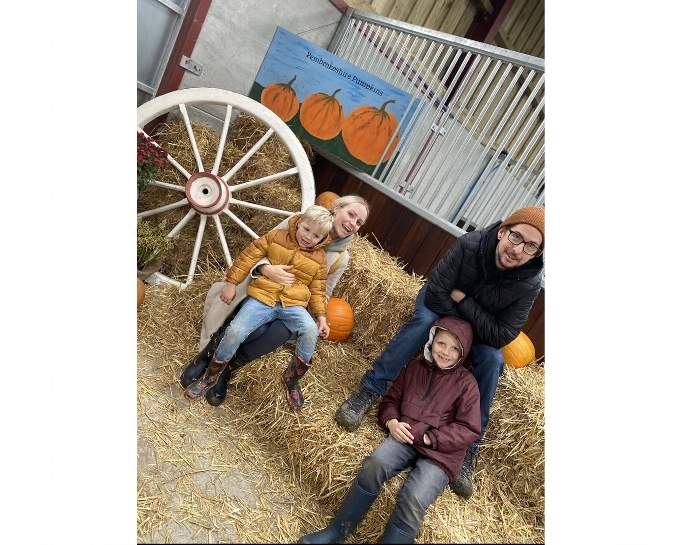
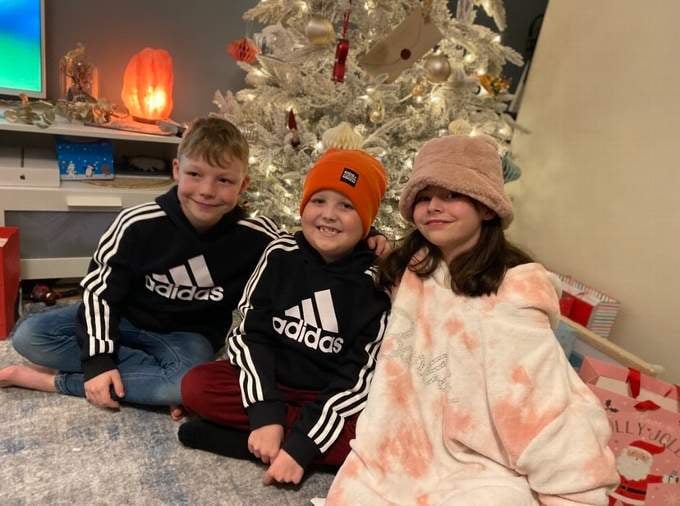
“It’s been really hard to carry each other, and to have Noah who’s four and quite oblivious to everything. And then there’s Rufus who were still trying to shield from the gravity of the situation.
“We’ve been trying to tip toe around him, trying to mask that we’re dying inside. There are points when I haven’t been able to get out of bed, I haven’t been able to face the day.
“It really has been the darkest time of our lives.”
But the family have been “overwhelmed” by the support they’ve received.
“We have another boy, Noah, who’s four. We couldn’t stay away from him for a month. So in order for us to be together, Latch have sorted out accommodation for us. They’ve been amazing.”
The local community rallied behind the family and managed to raise £7,690, to help towards the family’s rent, bills, and petrol.
“It was surprising me every day to hear about the different people who had contributed and who had contacted us to see how they could help - it really was amazing and humbling. It’s hard to find the words really.”
Rufus was first diagnosed with leukaemia at three years old and went through three and a half years of treatment.
“In hindsight he breezed through it without any major complications. He obviously did get quite poorly with chemo, but not as poorly as some kids. He did really well.
“The prognosis for him was really good, he had a low risk of relapse. He finished treatment in April 2020, so he spent 18 months off treatment before relapsing.”
How to donate bone marrow
There are two ways in which you can donate bone marrow.
Cancer Research UK said: “To be a donor you need to have stem cells that match the person you are donating to. To find this out, you have a blood test to look at HLA typing or tissue typing.
“Staff in the laboratory look at the surface of your blood cells. They compare them to the surface of the blood cells of the person needing a transplant.”
There are two ways of donating stem cells. DKMS explains that in 90 percent of cases they use Peripheral stem cell collection. This entails the doctor placing a special intravenous line in each arm vein, much like giving blood.
In the run-up to the procedure, donors are given a drug with the growth factor G-CSF for a period of five days, which increases the number of stem cells that are produced. Side effects could include flu-like symptoms, which can be treated with painkillers, and donors are encouraged not to exercise from day of taking the drug until day six after the donation due to a potential enlargement of the spleen.
The donation usually takes between three to five hours, at most, and donors can normally leave the collection clinic on the same day.
Bone marrow removal is used in about 10 percent of stem cell donations, this entails the donor being placed under general anaesthetic and about one litre of bone marrow-blood mixture is removed. This is equivalent to around five percent of total bone marrow in the body and this regenerates within a few weeks.
After the donation, the donor may experience localised pain, which often feels like bruising, for a few days. The donor normally stays in hospital for one or two nights before being advised to spend a few more days recovering at home.
According to DKMS, the risk of the bone marrow removal is low and essentially limited to the general risk that comes with any operation under general anaesthetic. In order to eliminate avoidable risks, a thorough medical health check of donors is the “top priority” for DKMS.
Ways to register
There are many ways to register as a potential stem cell donor.
DKMS – you must be aged between 17 and 55. You must have a cheek swab for tissue typing.
Anthony Nolan – requires a cheek swab for tissue typing and you to between 16 and 30 years of age.
The Welsh Bone Marrow Donor Registry – requires donors to be between 17 and 30 years of age as well as a blood test for tissue typing.
British Bone Marrow Registry (BBMR) – you must be a blood donor. The BBMR would like to register groups they are particularly short of on the register. This includes men between 17 and 40, as well as women between 17 and 40 who are from Black, Asian and minority ethnicities and mixed ethnicity backgrounds.
Rufus and his family are appealing for donations through DKMS, an international charity “dedicated to the fight against blood cancer and blood disorders”.
Rosie said: “Please sign up to the stem cell register – there’s no cost or discomfort to you, a simple swab is all it takes. You could be the one who can save Rufus’ life. You can change the future for a whole family, in additional to a child who deserves a future.
“You never know if you or someone you love will need this one day, we never thought we did until it happened to us.”
Rosie is hoping to hold a swabbing event in Aberystwyth over the coming weeks, which would see a swabbing station set up in the town for people to register as potential donors. However, this may not be possible due to Covid-19.Click here for more information
Comments
This article has no comments yet. Be the first to leave a comment.