

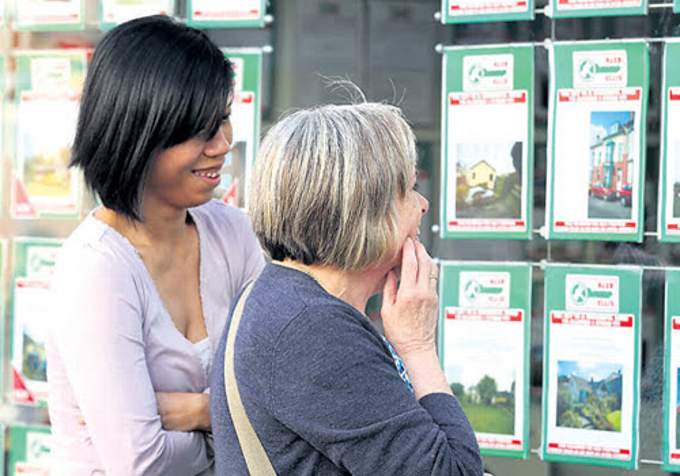
HOUSE prices in Gwynedd have fallen despite the national rise according to the latest data.
The cost of buying a house is still 9.9 per cent more than it was a year ago, but the latest data from the Principality Building Society shows that house prices in Gwynedd dropped by 1.6 per cent in the last quarter between June and September, with the average house price in the county now standing at £214,045.
The average cost of a detached house in the county now stands at £316,756 with a semi-detached setting you back £210,418 according to the House Price Index.
The average council tax bill in Gwynedd is £1,408 a year with a life satisfaction rating in the county of 7.46 out of 10.


.jpeg?width=209&height=140&crop=209:145,smart&quality=75)
Anglesey has the highest average price in north west Wales with the average price of a home standing at £238,915.
The average home in Ceredigion would set you back £233,574 with an average of £227,201 in Conwy and £185,370 in Denbighshire.
A snapshot of the housing market in Wales shows that house prices have gone up 11.5 per cent in the last 12 months, with a 1.4 per cent increase in the last quarter.
This marks the third quarter in a row when annual house price inflation has been in double-digit percentages – the strongest performance since the mid-2000s.
The average cost of a house in Wales now stands at £218,783 with a 52 per cent rise in transactions this year in comparison to 2020.
Like Gwynedd, Ceredigion also saw a drop in the third quarter of the year but the average house price is still 10.5 per cent higher than it was in 2020.
Anglesey saw a 0.2 per cent rise in quarter three with the average house costing 6.4 per cent more than it did in 2020.
Tom Denman, chief financial officer at Principality Building Society, said: “The Welsh housing market, like those elsewhere in the UK has outperformed expectations this year.
“Demand has been higher and more resilient than many expected, and although market support in the shape of the Land Transaction Tax holiday and furlough payments has now ended, the scale of pent-up demand has been such, aided by savings accumulated in lockdown and continued low mortgage rates, that the market has continued to flourish.
“Going into the fourth quarter and into 2022, we can see that price expectations have been lowered and the rate of growth has slowed.
“Clearly there is now an expectation that interest rates will rise in the near term, albeit on a modest basis, and that this will still have an impact for many households and not least those active in buying and moving homes.”
Comments
This article has no comments yet. Be the first to leave a comment.