


Get Safe Online, North Wales Police and Crime Commissioner (PCC) Andy Dunbobbin, and North Wales Police are urging people to be wary of AI scams.
Advice is available on the Get Safe Online website, but the top must-do checks to spot AI-assisted scams include being suspicious of unsolicited emails, messages or phone calls – even if they seem authentic.
Spelling and grammar in AI-generated content may be perfect, so look for inconsistencies, like slightly odd email addresses, incorrect logos or unusual phrasing. In images and videos, check for signs of things not being quite as they should.
Check identity independently. Call or message the person or company using contact details you know to be correct, to check if the sender is genuine.

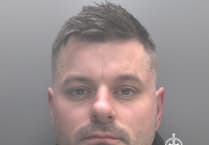


North Wales PCC Andy Dunbobbin, said: “It’s vital residents understand both the risks and how to protect themselves.”
Dewi Owen from North Wales Police Cybercrime Team added: “Because scams now look and sound professional, we must shift our mindset from 'does this look right?' to 'can I verify this independently?'
“Always use a secondary method like a known official website or trusted phone number to confirm who you are really dealing with before clicking links or sharing any financial or personal information. By staying curious and verifying every unusual or unexpected request or contact, you stay one step ahead of the criminals.
"Criminals are now also using AI to create highly convincing 'deepfake' audio and video, often impersonating celebrities, influencers, and political figures. These videos can sometimes look very realistic and are often used to endorse fraudulent 'get-rich-quick' schemes or to spread convincing misinformation. Because we are used to seeing these people on our screens, we feel a false sense of trust. Criminals exploit this by using AI-generated voices and faces to make a scam look like a legitimate recommendation or factual news report.”
Visit www.getsafeonline.org.
Comments
This article has no comments yet. Be the first to leave a comment.